
Knee pain often develops gradually rather than all at once. What begins as occasional discomfort after exercise or a long day on your feet can slowly become a persistent problem that affects your ability to walk, climb stairs, stay active or complete everyday tasks. Over time, you may find yourself relying more on pain medication, avoiding activities you once enjoyed or adjusting your daily routine to work around your symptoms.
Although many knee conditions can be managed successfully with non-surgical treatment, this is not always the case. When pain, stiffness or reduced mobility continue to affect your quality of life despite appropriate treatment, it may be time to consider whether surgery is the next step. Recognising the signs that your knee condition may require surgical treatment can help you seek timely specialist assessment and make informed decisions about your care.
Can Your Knee Pain Be Managed Without Surgery?
Many cases of knee pain can be managed without surgery, particularly when symptoms are mild to moderate and do not significantly interfere with everyday activities.
Symptoms Improve With Conservative Treatment
Non-surgical treatments such as rest, physical therapy, medications, bracing, and injections are often effective at reducing pain and improving function. If your symptoms improve with these measures, surgery is typically not needed.
Daily Activities Remain Manageable
If you can comfortably walk, climb stairs, work, and participate in your usual activities, conservative care is often the preferred approach. Surgery is generally considered only when knee pain begins to limit your mobility and quality of life.
Assessment Shows Mild Knee Damage
Imaging tests may show early arthritis, minor cartilage wear, or mild soft tissue injuries. In these cases, healthcare providers usually recommend exhausting non-surgical treatment options before discussing surgery, as many patients can achieve lasting symptom relief without an operation.
What Signs Suggest Your Knee Condition Is Getting Worse?
While many knee conditions improve with non-surgical care, persistent symptoms may indicate that it's time to explore other treatment options.
Pain Persists Despite Treatment
If knee pain continues despite following a treatment plan that includes physical therapy, medications, or lifestyle modifications, conservative measures may no longer be providing adequate relief.
Mobility and Function Continue to Decline
Difficulty walking, climbing stairs, standing for long periods, or participating in daily activities can be a sign that the condition is progressing despite treatment. As mobility decreases, everyday tasks may become increasingly challenging, affecting your independence and overall quality of life.
Symptoms Are Becoming More Frequent or Severe
Increasing pain, swelling, stiffness, or episodes of the knee giving way may suggest that the underlying issue is worsening and requires further evaluation. Symptoms that occur more often or become more intense over time may indicate that conservative treatments are no longer effectively managing the condition.
Quality of Life Is Being Affected
When knee pain begins to interfere with work, exercise, sleep or activities you enjoy, it may be time to discuss more advanced treatment options with your healthcare provider. Persistent symptoms can impact both physical and emotional well-being, making it harder to maintain an active and fulfilling lifestyle.
When Might a Knee Specialist Recommend Knee Surgery?
Knee surgery may be recommended when the underlying knee problem is unlikely to improve sufficiently with non-surgical treatment. A knee specialist will consider your diagnosis, imaging results, symptom severity, activity level and response to previous treatments before advising whether surgery is appropriate.
The Underlying Knee Condition Can Be Corrected Surgically
Some knee conditions, such as advanced osteoarthritis, complex ligament injuries, severe cartilage damage or displaced fractures, are unlikely to improve sufficiently with conservative treatment alone. In these situations, surgery may offer the most effective way to restore function or relieve pain.
Conservative Treatment Has Been Fully Explored
Before recommending surgery, a knee specialist will usually consider whether physiotherapy, medications, injections, activity modification or other conservative measures have been given an appropriate opportunity to improve symptoms. Surgery is generally considered when these treatments no longer provide adequate relief.
The Benefits of Surgery Are Likely to Outweigh the Risks
Every recommendation for surgery is based on an individual assessment. A knee specialist will consider your age, overall health, activity level, imaging findings, symptom severity and treatment goals to determine whether surgery is likely to improve your mobility, function and quality of life.
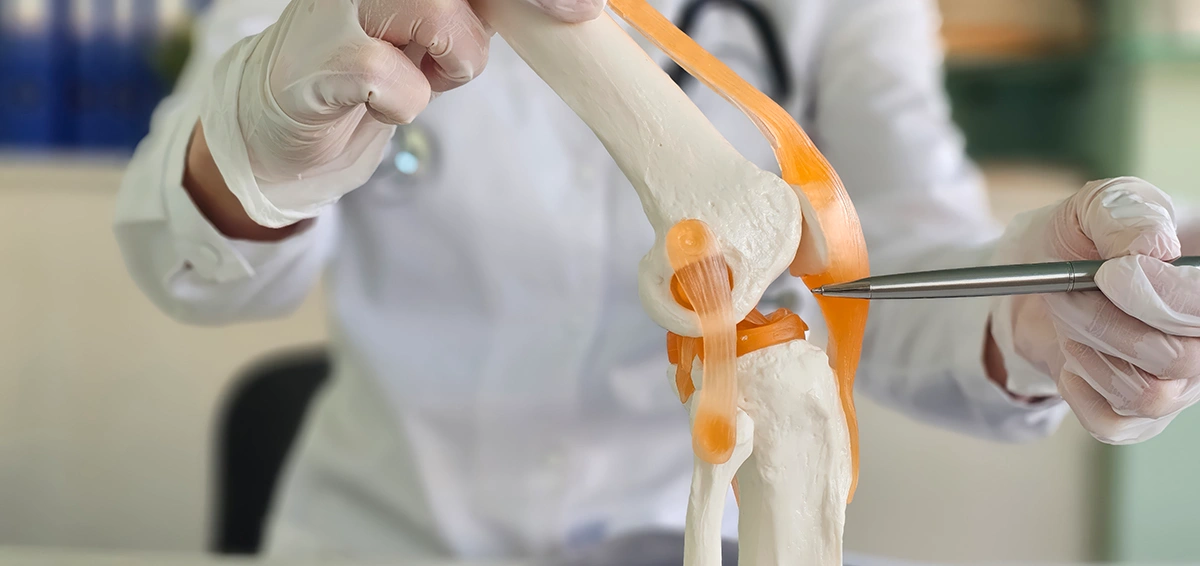
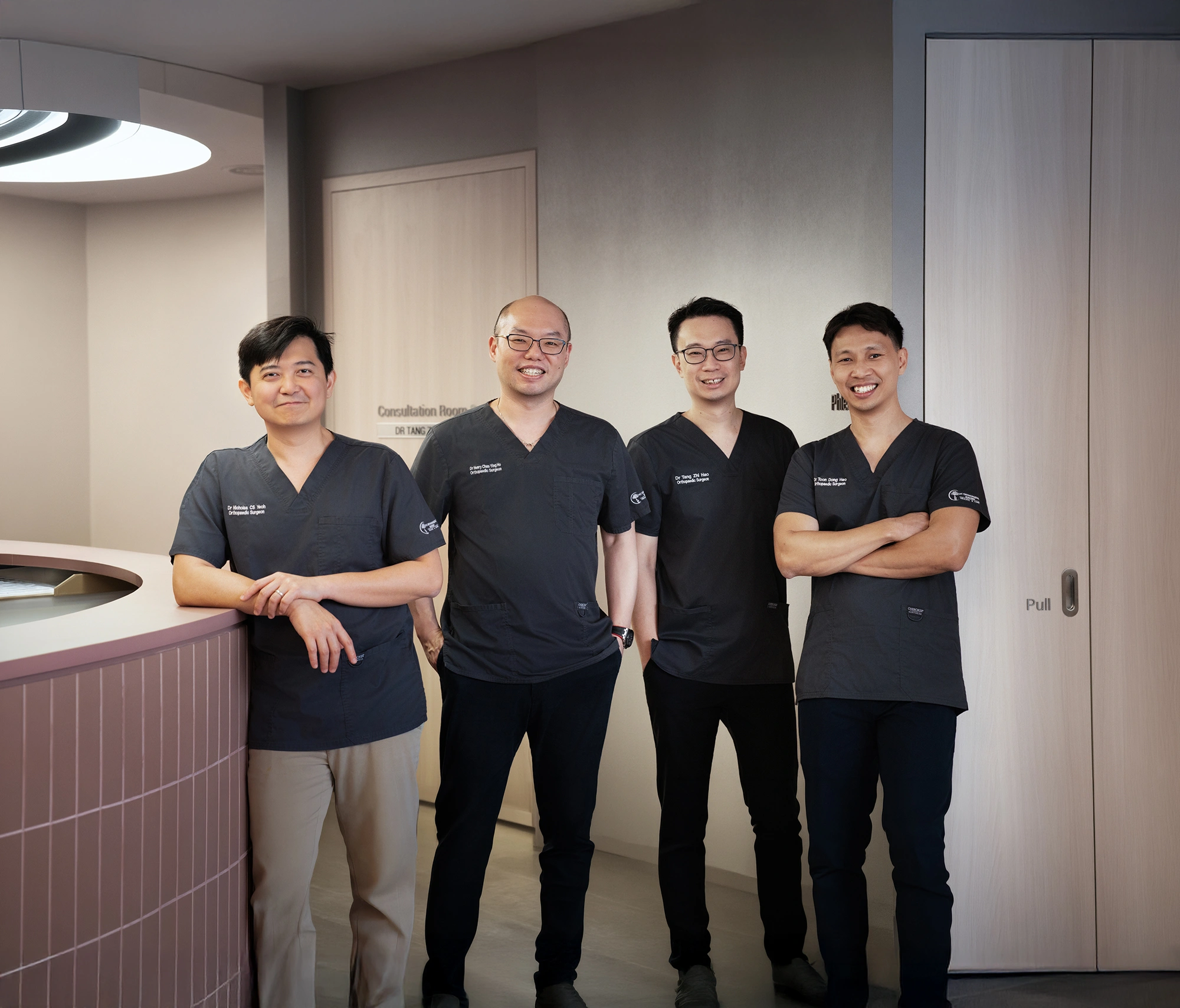
Personalised Knee Treatment at HC Orthopaedic Surgery

Our Specialised Team
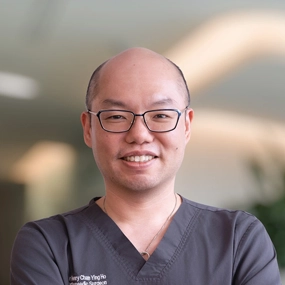
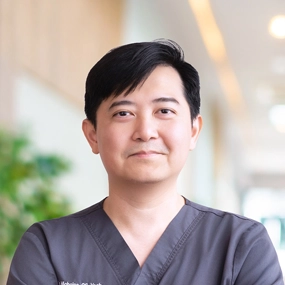
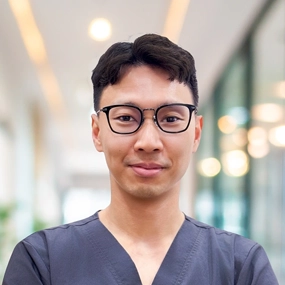
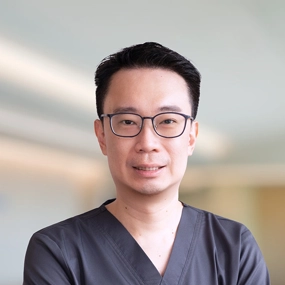
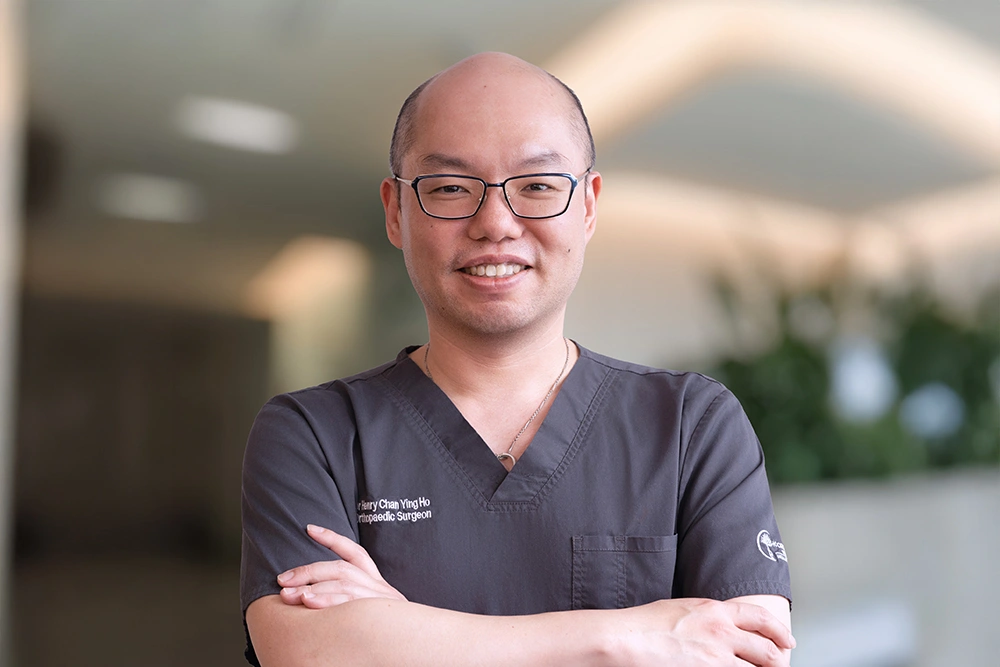
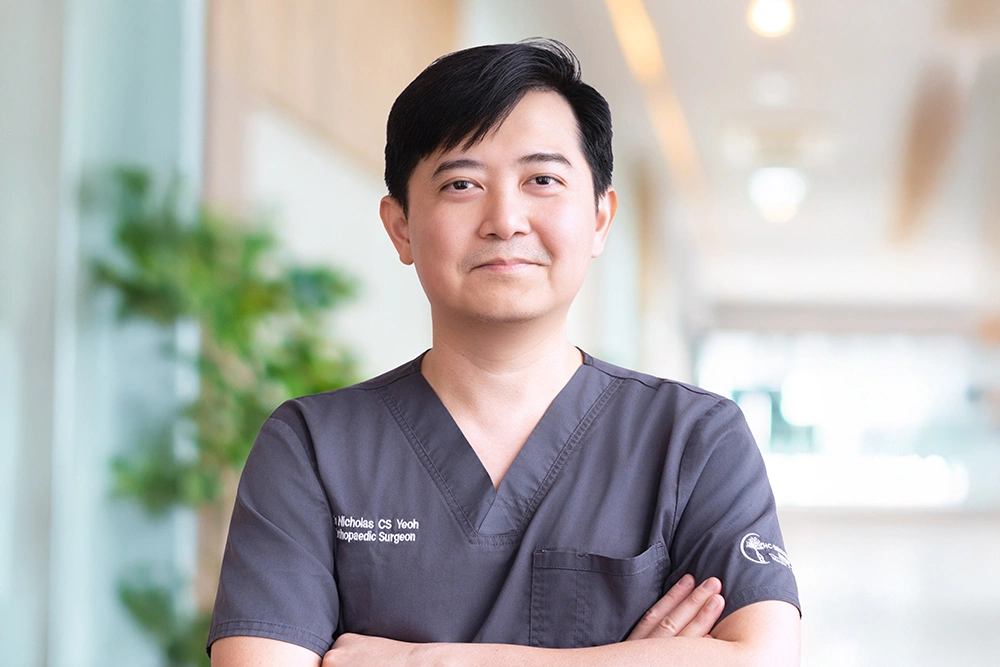
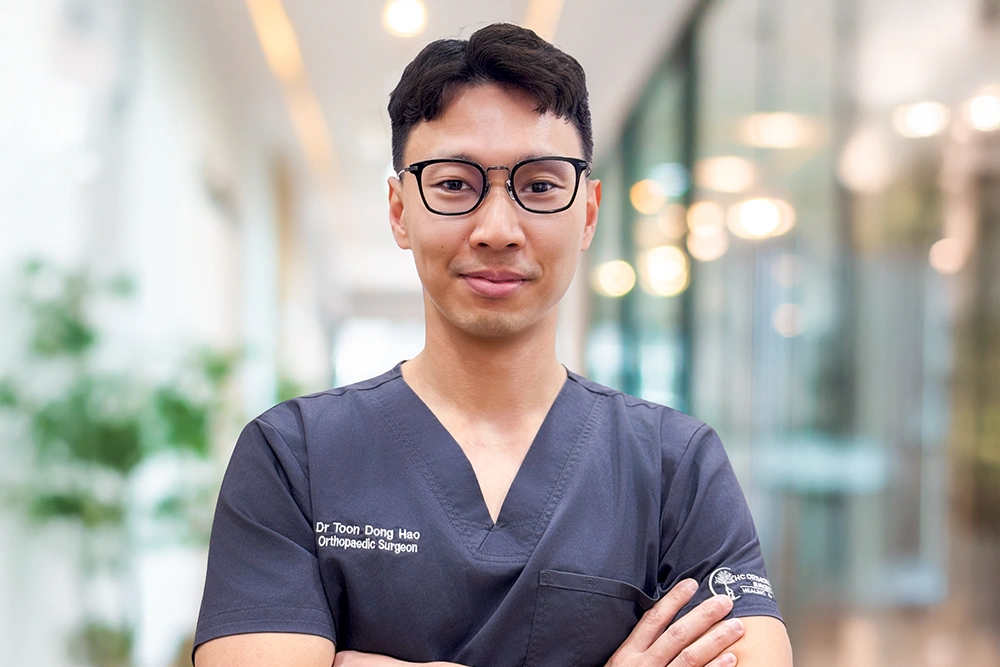
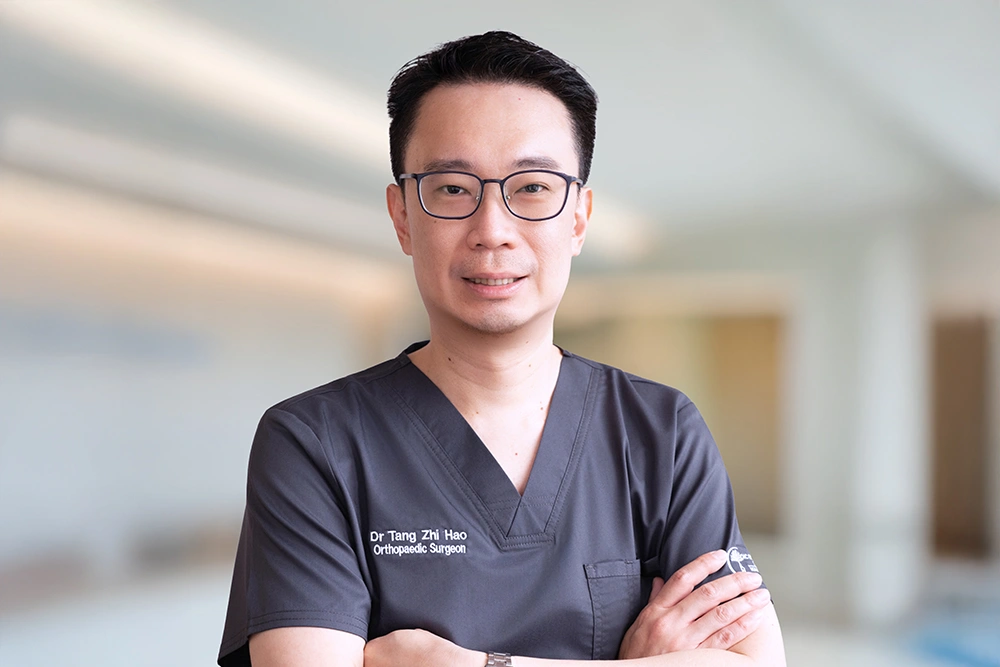
At HC Orthopaedic Surgery, care is led by Dr Henry Chan alongside a team of experienced orthopaedic specialists, including Dr Nicholas Yeoh, Dr Toon Dong Hao, and Dr Tang Zhi Hao. The team provides evidence-based, patient-centred care, with treatment plans tailored to your condition, activity level and goals. If your knee pain persists despite conservative treatment or is beginning to affect your mobility and daily activities, book a consultation to receive expert guidance on the most appropriate treatment for your needs.
Frequently Asked Questions (FAQs) About When You Might Need Knee Surgery
Can I Be Too Young for Knee Surgery?
How Do Specialists Determine Whether I Am a Candidate for Knee Surgery?
How Long Can I Delay Knee Surgery?
Meet Our Specialist Team
Dr Henry Chan
Medical Director & Senior Consultant Orthopaedic Surgeon
MBBS (S’pore), MRCS (Edinburgh), MMed (Orthopaedic Surgery), FRCS (Edinburgh)
Dr Henry Chan is an experienced orthopaedic surgeon specialising in joint replacement and complex revision surgery. Trained at the renowned Helios Endo-Klinik in Germany under the MOH HMDP scholarship, he has performed over 1,000 joint replacements and specialises in computer-assisted and robotic joint replacement techniques for precise outcomes.
Dr Nicholas Yeoh
Senior Consultant Orthopaedic Surgeon
MBChB (Edinburgh), MRCS (Edinburgh), MMed (Orthopaedic Surgery), FRCS (Edinburgh)
Dr Nicholas Yeoh is an MOH-accredited orthopaedic specialist and Fellow of the Royal College of Surgeons of Edinburgh. Fellowship-trained in hip and knee reconstruction in Sydney under the MOH HMDP scholarship, he specialises in minimally invasive joint replacement, robotic surgery and advanced techniques that enhance recovery and surgical outcomes.
Dr Toon Dong Hao
Senior Consultant Orthopaedic Surgeon
MBChB (Leeds), MRCS (Edinburgh), MMed (Orthopaedic Surgery), FRCS (Edinburgh)
Dr Toon Dong Hao is a skilled orthopaedic surgeon and Fellow of the Royal College of Surgeons of Edinburgh. Fellowship-trained in Advanced Shoulder and Elbow Surgery in Sydney under the MOH HMDP scholarship, Dr Toon specialises in sports injuries, arthroscopic surgery and complex shoulder, elbow and knee procedures to restore function and mobility.
Dr Tang Zhi Hao
Senior Consultant Orthopaedic Surgeon
MBBS (S’pore), MRCS (Edinburgh), MMed (Orthopaedic Surgery), FRCS (Edinburgh)
Dr Tang Zhi Hao is a fellowship-trained orthopaedic surgeon specialising in foot and ankle conditions. He completed his Foot and Ankle Surgery fellowship at Severance Hospital, Yonsei University Health System in Seoul under Professor Jin Woo Lee. Prior to private practice, he served as Consultant and Deputy Head of Orthopaedics at Khoo Teck Puat Hospital.