



Knee replacement is rarely a decision you make overnight. You may spend months or even years managing knee pain with medication, physiotherapy, injections or changes to your activities. As long as you can still get around, it can be tempting to keep putting surgery off.
However, there can be drawbacks to both waiting too long and having surgery earlier than necessary. The timing of knee replacement can influence your recovery and how long the implant needs to serve you, making it an important part of the treatment decision.
Understanding why timing matters can help you recognise when non-surgical treatment remains appropriate and when it may be worth discussing knee replacement with your specialist.
Knee Replacement Is Not Based on Pain Alone
Pain is an important consideration when deciding whether knee replacement may be appropriate, but it is not the only one. Changes in what you can comfortably do from day to day can be just as relevant.
You may notice increasing difficulty with:
- Walking longer distances
- Climbing or descending stairs
- Getting up from a chair
- Managing work, exercise or everyday activities
These changes can show how much your knee is beginning to interfere with your usual routine. Looking at function alongside pain provides a more complete picture of how the condition is affecting you.
How Delaying Surgery Can Affect Physical Function
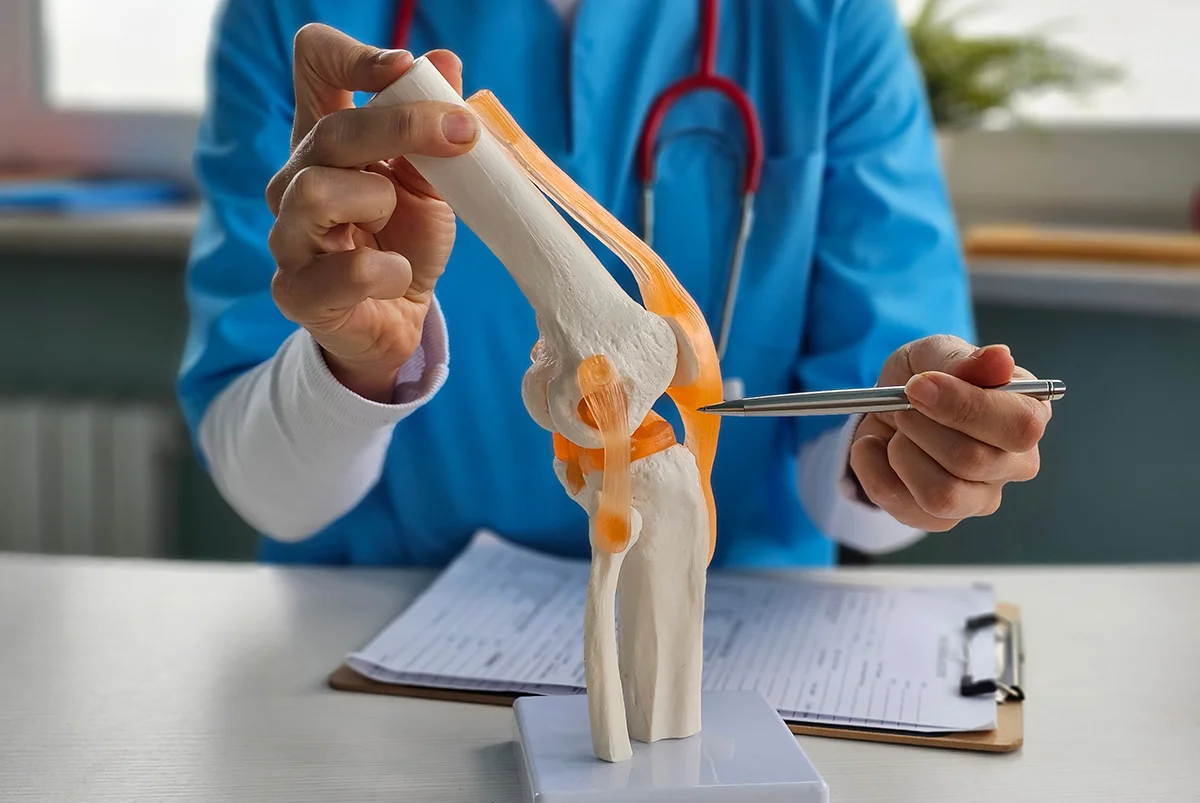
When a knee condition has progressed to the point where replacement is being considered, ongoing pain and stiffness may gradually change how you move. You may walk shorter distances, avoid stairs or rely more heavily on your unaffected leg. Over time, reduced activity can also contribute to loss of strength in the muscles supporting your knee.
The quadriceps at the front of your thigh are particularly important for walking, standing from a seated position and controlling the knee during movement. Increasing stiffness and reduced strength may therefore affect your mobility before surgery as well as what you need to work on during rehabilitation.
This does not mean knee replacement should be performed at the first sign of deterioration. However, when your physical function continues to decline despite non-surgical treatment, the effect of further delay is worth discussing with your knee specialist.
What Determines the Right Time for Knee Replacement?
You do not need to wait until knee pain becomes unbearable before discussing replacement surgery. Your specialist will consider the overall impact of your symptoms and whether medication, physiotherapy or injections are still providing adequate relief.
Your general health and activity needs may also influence the decision. Imaging can show the location and extent of joint damage, helping your doctor assess whether surgery is appropriate and which type may be considered.
Total knee replacement may be used when damage affects multiple areas of the joint, while partial knee replacement may be suitable when it is limited to one compartment. In selected cases involving the patellofemoral compartment, a knee cap replacement, or patellofemoral replacement, may be considered.
Deciding on knee replacement does not have to begin with a firm decision to have surgery. A specialist assessment can help you understand where your knee currently stands and whether continuing with your existing treatment or considering replacement is more suitable at this stage.

Making a Timely Decision About Knee Replacement
Deciding on knee replacement does not have to begin with a firm decision to have surgery. A specialist assessment can help you understand where your knee currently stands and whether continuing with your existing treatment or considering replacement is more suitable at this stage.

Our Specialised Team
At HC Orthopaedic Surgery in Singapore, care is led by Dr Henry Chan, who manages knee conditions alongside Dr Nicholas Yeoh. The wider orthopaedic team also includes Dr Tang Zhi Hao.
To better understand your knee condition and whether replacement surgery may be right for you, arrange a consultation and discuss your options with the team.
FAQs About the Timing of Knee Replacement
Can having knee replacement too early affect how long the implant lasts?
Can I still have knee replacement after delaying it for several years?
Can knee replacement be considered if injections still help?
Does using a walking aid mean it is time for knee replacement?
Meet Our Doctors
Dr Henry Chan
Medical Director & Senior Consultant Orthopaedic Surgeon
MBBS (S’pore), MRCS (Edinburgh), MMed (Orthopaedic Surgery), FRCS (Edinburgh)
Dr Nicholas Yeoh
Senior Consultant Orthopaedic Surgeon
MBChB (Edinburgh), MRCS (Edinburgh), MMed (Orthopaedic Surgery), FRCS (Edinburgh)
Dr Tang Zhi Hao
Senior Consultant Orthopaedic Surgeon
MBBS (S’pore), MRCS (Edinburgh), MMed (Orthopaedic Surgery), FRCS (Edinburgh)