

A rotator cuff tear does not always cause significant shoulder pain. Some tears cause only mild symptoms, while others are discovered unexpectedly on an ultrasound or MRI.
This can make it difficult to judge the condition of your shoulder based on pain alone. In this article, we explain why some rotator cuff tears cause little to no pain and what this can mean for your shoulder function.
Key Takeaways
- Rotator cuff tears can develop without causing significant pain
- Slowly developing tears may allow the shoulder to adapt over time
- Tear size does not always correspond with the severity of symptoms
- Shoulder strength and function can change even when pain is minimal
What Influences Pain in a Rotator Cuff Tear?
Pain does not always correspond with the extent of tendon damage. Several factors influence whether a rotator cuff tear causes significant symptoms and can also help guide rotator cuff treatment.
Gradual Tears Allow the Shoulder to Adapt
Degenerative rotator cuff tears can develop gradually as the tendon weakens over time. In some cases, the surrounding muscles may compensate for changes in tendon function, allowing the shoulder to maintain certain movements despite the tear. As a result, pain may remain mild or absent.
Tear Size Does Not Determine Pain Severity
The size of a rotator cuff tear does not always correspond to the severity of pain. Some larger tears may cause relatively few symptoms, while smaller tears can be painful, particularly when surrounding tissues are irritated or inflamed. Other shoulder conditions may also contribute to discomfort.
Tear Location Influences Symptoms
The rotator cuff consists of four tendons that contribute differently to shoulder movement and stability. A tear may therefore affect the shoulder differently depending on which tendon is involved and which fibres are damaged. Depending on the tendon involved, a tear may affect particular shoulder movements or reduce strength without necessarily causing significant pain. This helps explain why a person may have a rotator cuff tear despite experiencing relatively little discomfort.
How Inflammation Can Influence Pain
Inflammation and irritation of the surrounding shoulder structures, including the bursa, can contribute to pain associated with rotator cuff tears. However, the degree of discomfort varies between individuals. Some people may have a tear visible on imaging but experience relatively little pain.
Other Muscles Can Compensate for the Tear
The muscles around the shoulder work together to support movement and joint stability. When one rotator cuff tendon is torn, other functioning muscles may compensate enough to preserve movement and limit symptoms, particularly during everyday activities.

Signs of a Rotator Cuff Tear Without Pain
Pain is only one indication of rotator cuff function. A minimally painful tear can still affect strength or movement.
Changes to look out for include:
- Weakness when raising or rotating your arm
- Difficulty reaching overhead or behind your back
- Reduced endurance when using the affected arm
- Difficulty lifting objects away from your body
- A noticeable difference in strength between your shoulders
These changes may develop gradually and can initially be easy to attribute to ageing or reduced fitness.
These symptoms can also occur with other shoulder conditions, so an appropriate clinical assessment may be needed to determine their cause.
A rotator cuff tear can be present even when your shoulder is relatively comfortable. What matters is not simply whether the tear hurts, but whether it is affecting strength, movement and your ability to use the arm normally.
Look Beyond Pain When Assessing Shoulder Function
A rotator cuff tear can be present even when your shoulder is relatively comfortable. What matters is not simply whether the tear hurts, but whether it is affecting strength, movement and your ability to use the arm normally.

Our Specialised Team
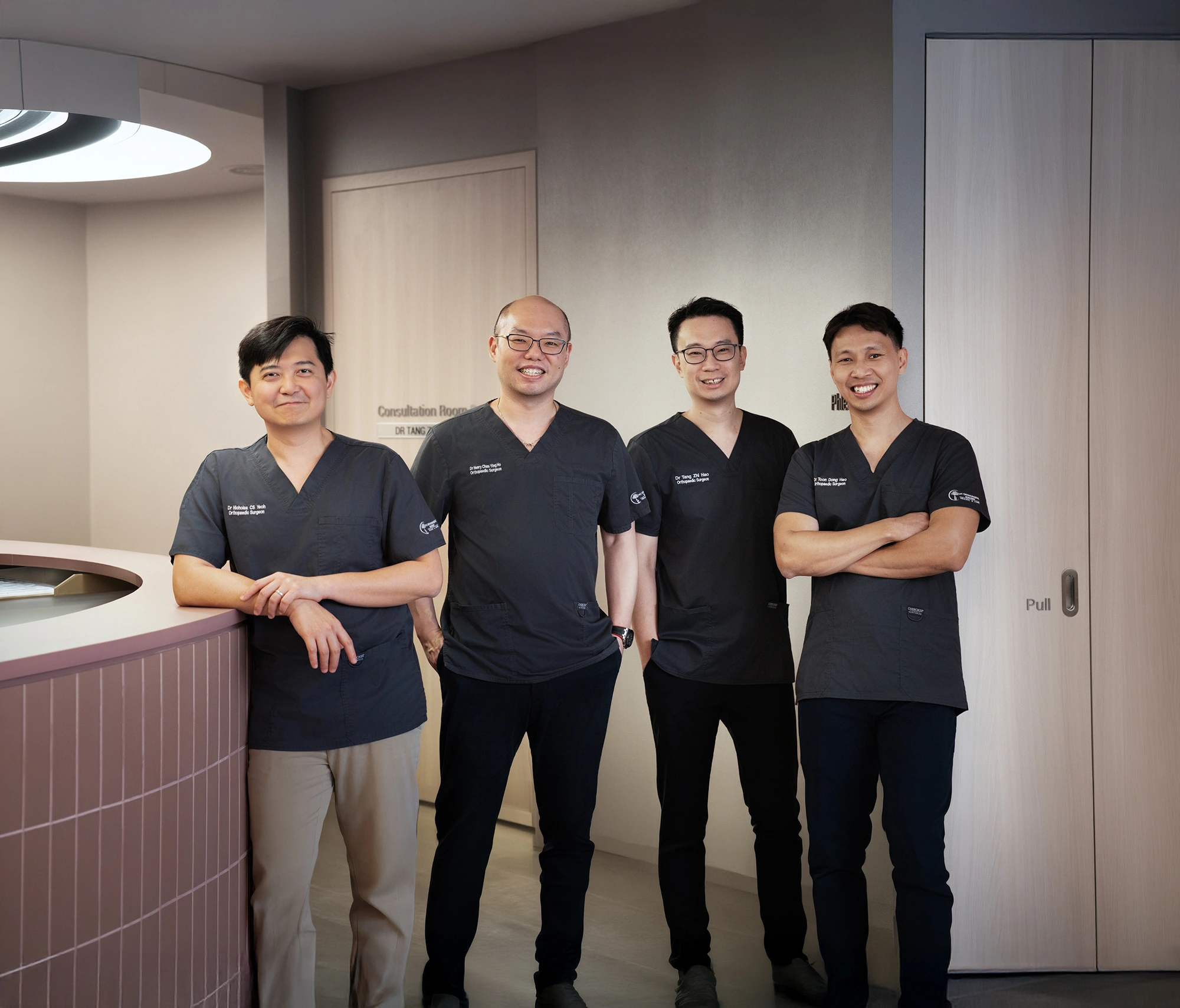
At HC Orthopaedic Surgery in Singapore, rotator cuff and other shoulder conditions are assessed and treated by our orthopaedic team, which includes Dr Henry Chan and Dr Nicholas Yeoh, alongside Dr Tang Zhi Hao. Arrange a consultation to assess persistent shoulder weakness, restricted movement or changes in function and understand what these symptoms may mean for your shoulder.
FAQs About Rotator Cuff Tears With Little or No Pain
Can an asymptomatic rotator cuff tear become painful later?
Can you exercise with a painless rotator cuff tear?
Can a rotator cuff tear heal without surgery?
Meet Our Doctors
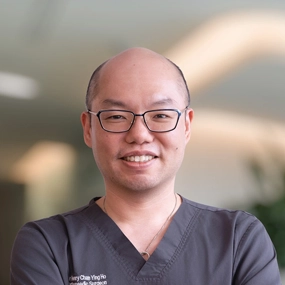
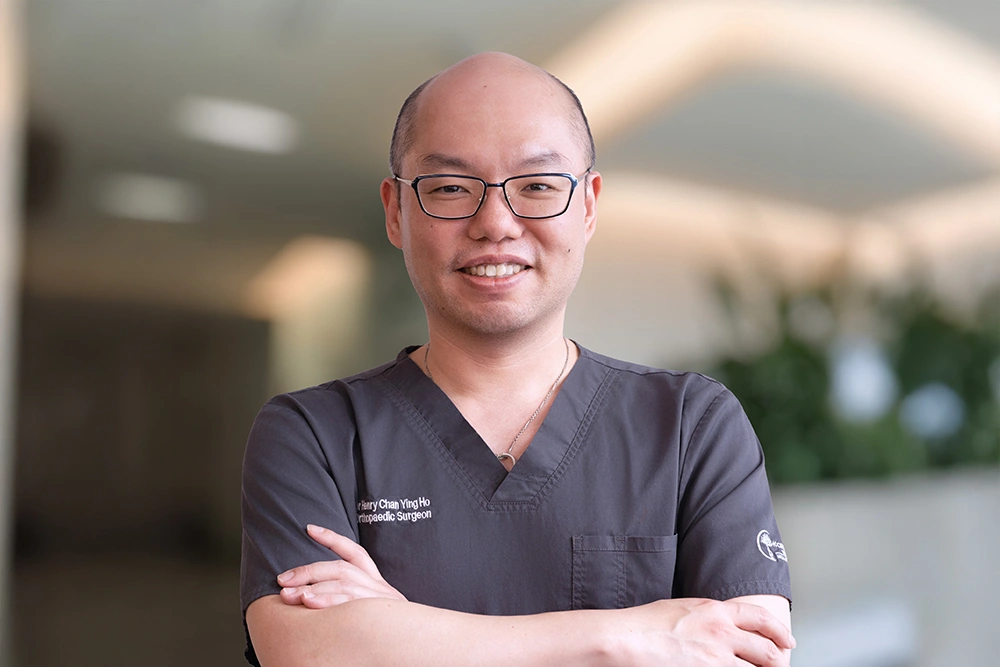
Dr Henry Chan
Medical Director & Senior Consultant Orthopaedic Surgeon
MBBS (S’pore), MRCS (Edinburgh), MMed (Orthopaedic Surgery), FRCS (Edinburgh)
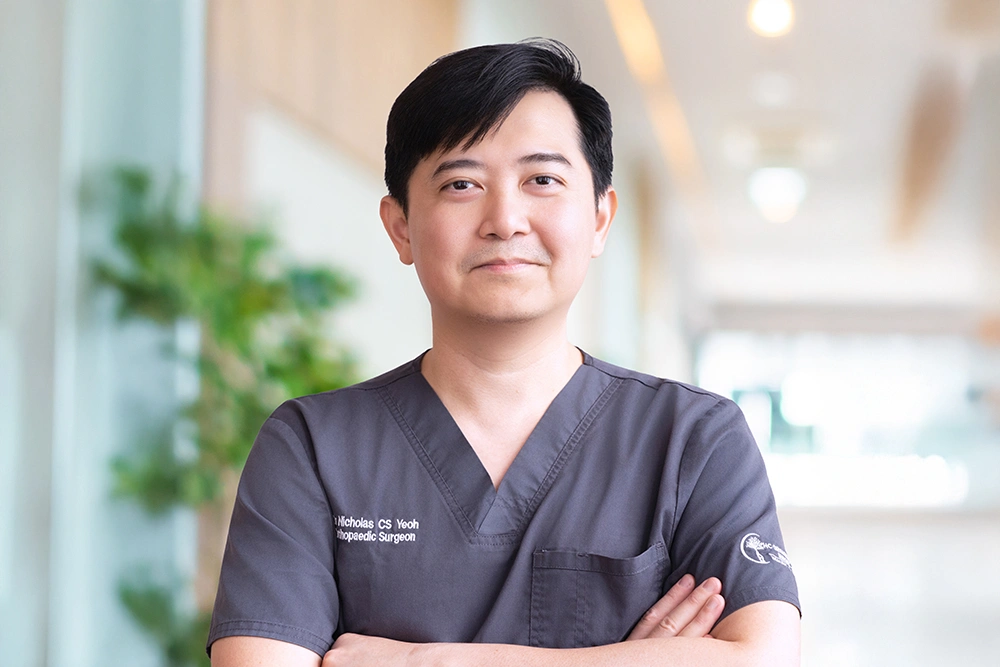
Dr Nicholas Yeoh
Senior Consultant Orthopaedic Surgeon
MBChB (Edinburgh), MRCS (Edinburgh), MMed (Orthopaedic Surgery), FRCS (Edinburgh)
Dr Tang Zhi Hao
Senior Consultant Orthopaedic Surgeon
MBBS (S’pore), MRCS (Edinburgh), MMed (Orthopaedic Surgery), FRCS (Edinburgh)