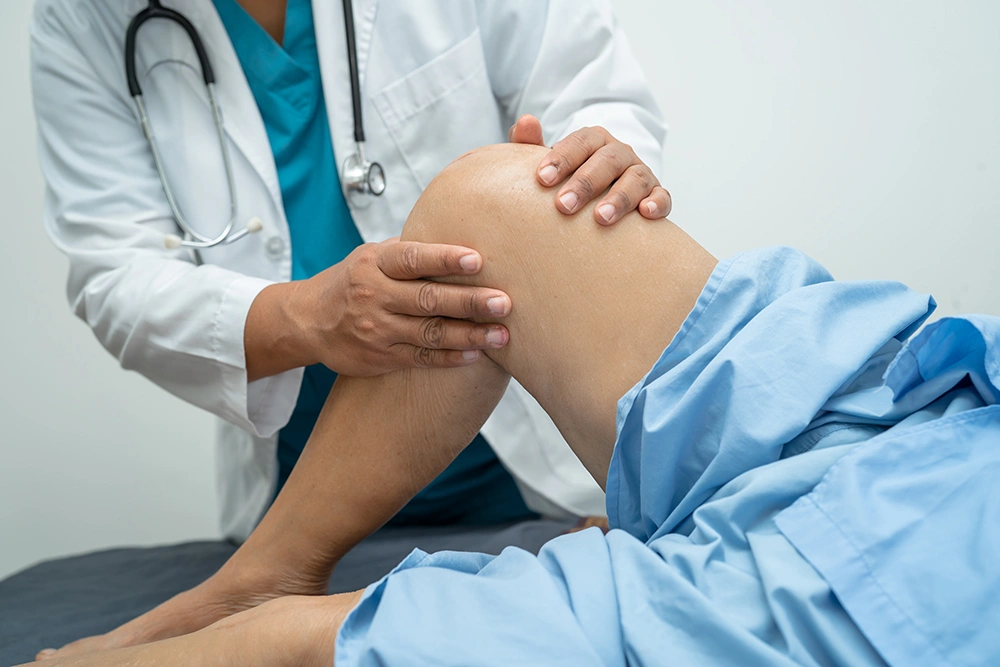
Knee replacement surgery can significantly reduce pain and improve mobility for individuals with severe knee arthritis or joint damage. However, the success of the procedure depends not only on the surgery itself but also on how well patients manage their recovery. While most people focus on rehabilitation exercises and follow-up care, certain post-surgery mistakes can unintentionally delay healing, increase discomfort, or affect long-term outcomes.
Whether you have recently undergone total knee replacement surgery or are preparing for the procedure, understanding the most common recovery mistakes can help reduce complications and support a smoother return to daily activities.
Mistakes That Can Delay Recovery After Knee Replacement Surgery
Recovering from knee replacement surgery requires patience, consistency and careful adherence to your knee surgeon's recommendations. While most patients focus on what they should do during recovery, it's equally important to understand the common mistakes that can hinder healing, prolong discomfort, or increase the risk of complications.
Skipping Physiotherapy Exercises
Physiotherapy plays a crucial role in restoring knee strength, flexibility and range of motion. Missing therapy sessions or neglecting prescribed exercises can lead to stiffness, muscle weakness and delayed recovery. Even if exercises feel challenging, following your rehabilitation plan consistently is essential for achieving the best possible outcome.
Returning to Activities Too Soon
Many patients feel eager to resume their normal routines, but pushing yourself too hard too quickly can strain the healing knee. High-impact activities, heavy lifting, or prolonged standing before receiving medical clearance may increase pain, swelling and the risk of injury. Gradually increasing activity levels according to your healthcare provider's guidance is key.
Ignoring Pain, Swelling, or Other Warning Signs
Some discomfort is expected after knee surgery, but persistent or worsening symptoms should never be ignored. Excessive swelling, redness, warmth around the incision, fever, or severe pain may indicate complications such as infection or blood clots. Promptly reporting unusual symptoms to your knee replacement surgeon can help prevent more serious issues.
Not Following Medication Instructions
Pain medications, blood thinners and other prescribed treatments are designed to support recovery and reduce the risk of complications. Skipping doses, stopping medications too early, or taking them incorrectly can negatively affect the healing process. Always follow your knee replacement surgeon's instructions and discuss any concerns before making changes to your medication regimen.
Being Too Sedentary During Recovery
While rest is important, excessive inactivity can slow healing and increase the risk of complications such as joint stiffness and blood clots. Gentle movement, walking and approved exercises help improve circulation and maintain mobility. Striking the right balance between rest and activity is essential for a successful recovery.
Not Taking Steps to Prevent Falls
Balance, strength and confidence may take time to return after knee replacement surgery. Falls during the early stages of recovery can damage the surgical repair or cause other injuries. Using walking aids as recommended, keeping your home free of trip hazards and wearing supportive footwear can help reduce this risk.
How Can I Recover Safely After Knee Surgery?
Recovery begins soon after knee surgery. Early, gentle movement is typically encouraged to reduce stiffness, improve circulation and promote healing. Following a structured rehabilitation plan can help restore strength, mobility and function while minimising the risk of complications.
Early Movement and Exercise
Your healthcare team will guide you through gentle exercises designed to improve range of motion and prevent joint stiffness. Starting movement early can also promote blood circulation and facilitate the healing process.
Pain Management During Recovery
Pain-relief medications may be prescribed to help manage discomfort after surgery. Effective pain control can make it easier to move, participate in rehabilitation exercises and regain mobility more comfortably.
Physiotherapy and Mobility Support
Rehabilitation often includes structured physiotherapy sessions either at home or in a rehabilitation centre. Your physiotherapist may also recommend gradually increasing weight-bearing activities and using assistive devices, such as crutches or a walker, during the early stages of recovery.
Follow-Up Care and Monitoring
Regular follow-up appointments allow your knee specialist to assess healing progress, monitor joint function and address any concerns that may arise during recovery. In selected cases, your knee specialist may recommend a continuous passive motion machine to help maintain joint flexibility during the early stages of recovery.
When to Contact Your Doctor During Recovery From Knee Replacement Surgery?
While some pain, swelling and discomfort are expected after knee surgery, certain symptoms may indicate complications that require medical attention. Knowing when to contact your knee replacement specialist can help ensure prompt treatment and promote a safe recovery.
Persistent or Worsening Pain
It is normal to experience discomfort during the healing process. However, if your pain becomes increasingly severe, does not improve with prescribed medication, or suddenly worsens after initially improving, you should consult your knee specialist.
Signs of Infection
Contact your healthcare provider if you notice symptoms that may indicate an infection, including:
- Increased redness, warmth, or swelling around the incision site
- Drainage or pus from the wound
- Fever or chills
- Foul-smelling discharge from the incision
Early treatment can help prevent the infection from spreading and affecting your recovery.
Excessive Swelling or Changes in the Leg
Some swelling is expected after surgery, but excessive swelling that does not improve with rest, elevation, or ice therapy should be evaluated. Seek medical advice if you notice significant swelling in the calf, ankle, or foot, especially if it occurs suddenly.
Symptoms of a Blood Clot
A blood clot can be a serious complication after knee surgery. Contact your knee specialist immediately if you experience:
- Pain or tenderness in the calf
- Unusual swelling in one leg
- Redness or warmth in the calf area
Seek emergency medical attention if you develop chest pain, difficulty breathing, or sudden shortness of breath, as these may indicate a serious medical issue.
Difficulty Moving the Knee or Performing Daily Activities
If you experience a sudden loss of mobility, increased stiffness, instability in the joint, or difficulty performing activities that were previously improving, it is important to discuss these changes with your knee specialist or physiotherapist.
Concerns About Your Recovery Progress
Every patient's recovery timeline is different. If you have concerns about your healing, rehabilitation progress, or any unexpected symptoms, do not hesitate to contact your healthcare team. Early intervention can help address potential issues and keep your recovery on track.
Supporting Safer Recovery After Knee Surgery with HC Orthopaedic Surgery

Our Specialised Team
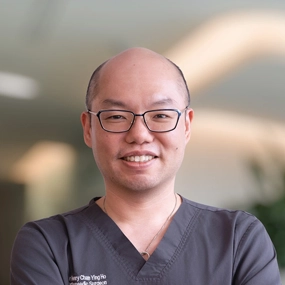
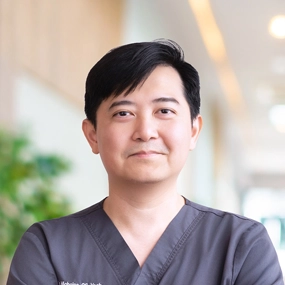
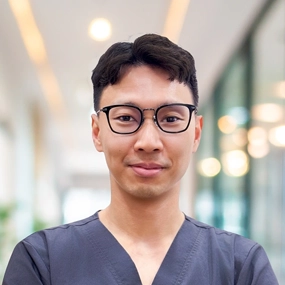
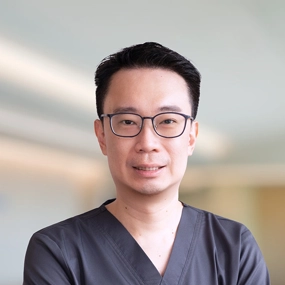
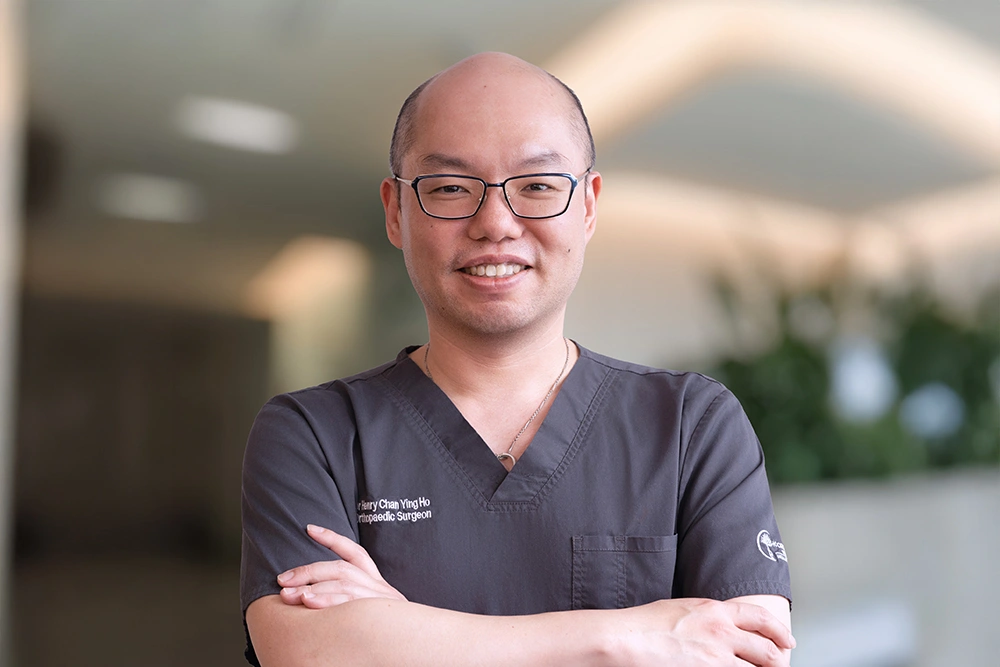
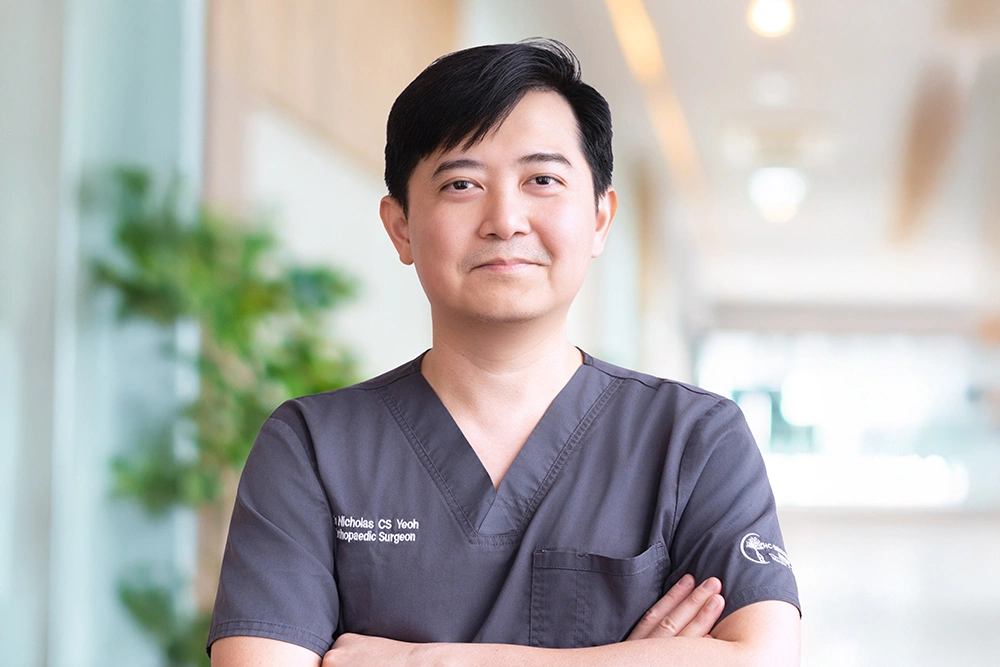
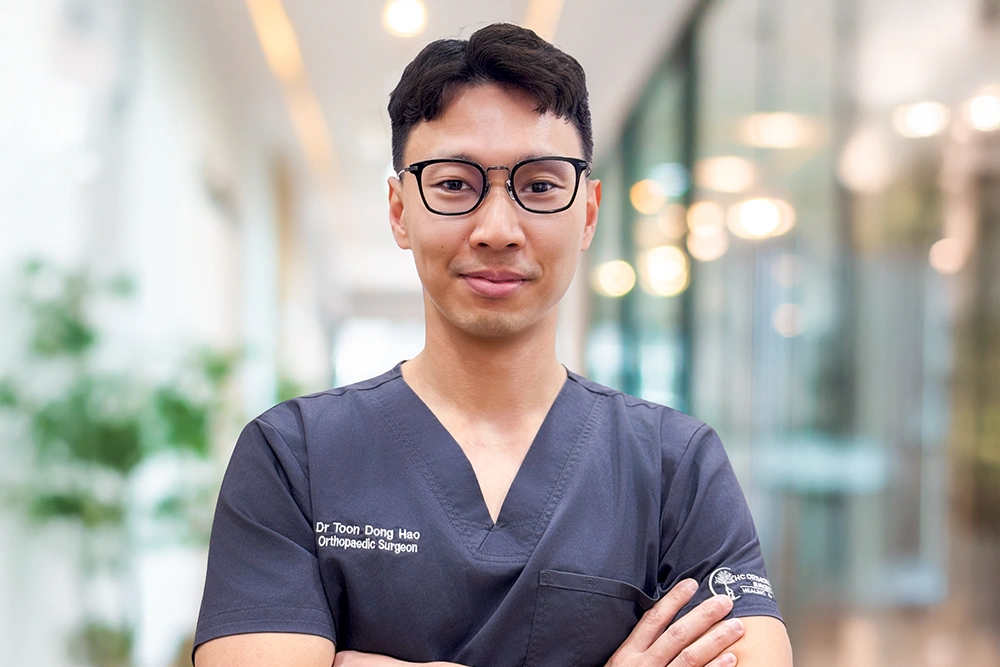
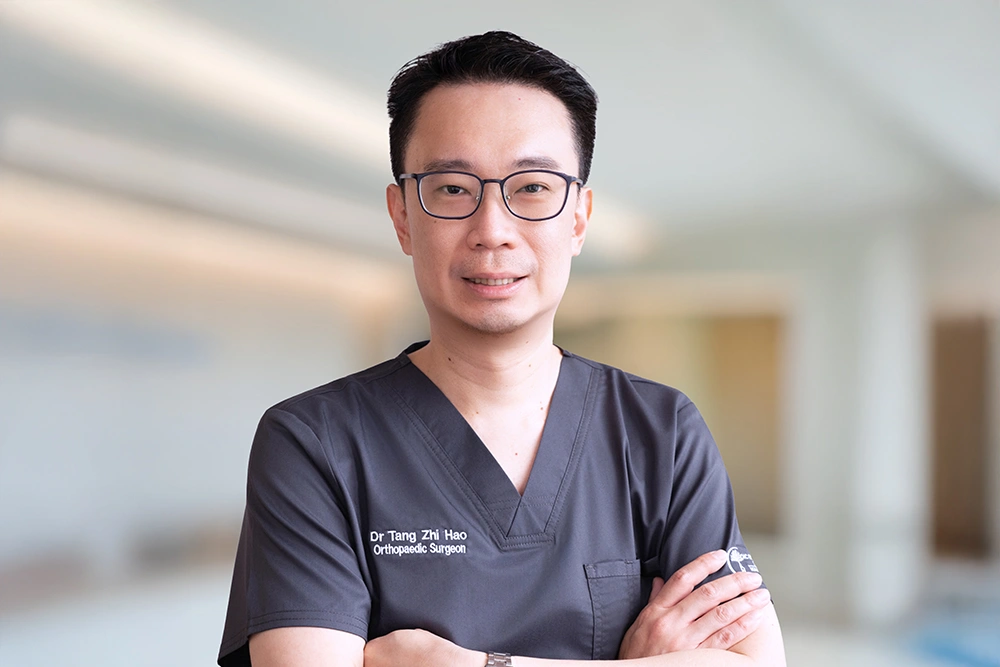
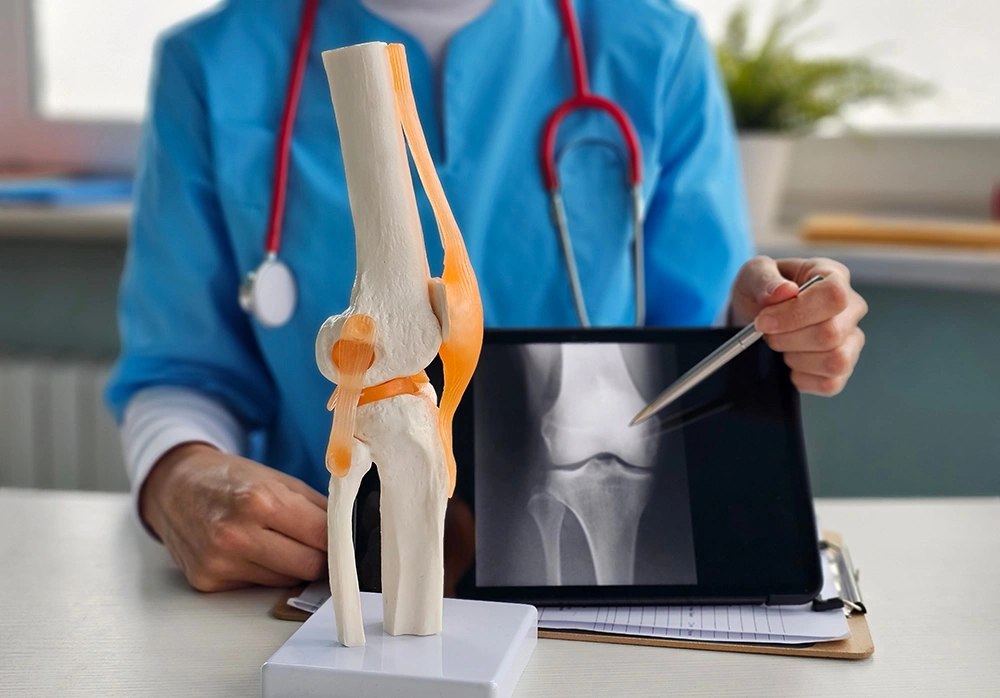
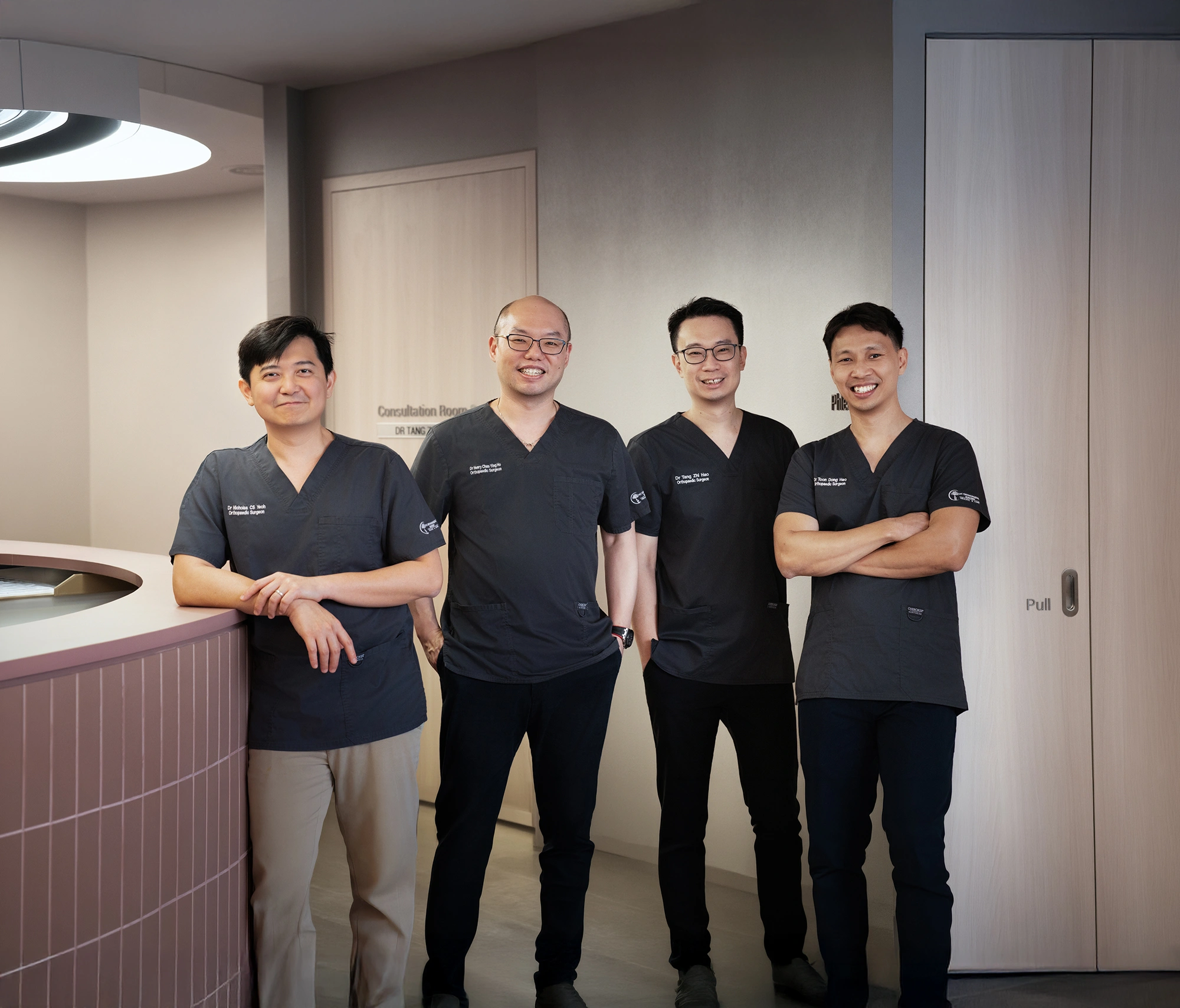
At HC Orthopaedic Surgery, we provide comprehensive assessments to evaluate your knee condition, symptoms and overall joint function. Our orthopaedic specialists, Dr Henry Chan, Dr Nicholas Yeoh, Dr Toon Dong Hao and Dr Tang Zhi Hao, can assess your recovery and provide personalised recommendations to support optimal healing.
Book an appointment with us today for a definitive diagnosis and a personalised treatment plan tailored to your needs.
Frequently Asked Questions (FAQs) About Common Mistakes After Knee Replacement Surgery
Can sleeping positions affect recovery after knee replacement surgery?
How long should I avoid kneeling after knee replacement surgery?
How can I make my home safer during knee replacement recovery?
Meet Our Specialist Team
Dr Henry Chan
Medical Director & Senior Consultant Orthopaedic Surgeon
MBBS (S’pore), MRCS (Edinburgh), MMed (Orthopaedic Surgery), FRCS (Edinburgh)
Dr Henry Chan is an experienced orthopaedic surgeon specialising in joint replacement and complex revision surgery. Trained at the renowned Helios Endo-Klinik in Germany under the MOH HMDP scholarship, he has performed over 1,000 joint replacements and specialises in computer-assisted and robotic joint replacement techniques for precise outcomes.
Dr Nicholas Yeoh
Senior Consultant Orthopaedic Surgeon
MBChB (Edinburgh), MRCS (Edinburgh), MMed (Orthopaedic Surgery), FRCS (Edinburgh)
Dr Nicholas Yeoh is an MOH-accredited orthopaedic specialist and Fellow of the Royal College of Surgeons of Edinburgh. Fellowship-trained in hip and knee reconstruction in Sydney under the MOH HMDP scholarship, he specialises in minimally invasive joint replacement, robotic surgery and advanced techniques that enhance recovery and surgical outcomes.
Dr Toon Dong Hao
Senior Consultant Orthopaedic Surgeon
MBChB (Leeds), MRCS (Edinburgh), MMed (Orthopaedic Surgery), FRCS (Edinburgh)
Dr Toon Dong Hao is a skilled orthopaedic surgeon and Fellow of the Royal College of Surgeons of Edinburgh. Fellowship-trained in Advanced Shoulder and Elbow Surgery in Sydney under the MOH HMDP scholarship, Dr Toon specialises in sports injuries, arthroscopic surgery and complex shoulder, elbow and knee procedures to restore function and mobility.
Dr Tang Zhi Hao
Senior Consultant Orthopaedic Surgeon
MBBS (S’pore), MRCS (Edinburgh), MMed (Orthopaedic Surgery), FRCS (Edinburgh)
Dr Tang Zhi Hao is a fellowship-trained orthopaedic surgeon specialising in foot and ankle conditions. He completed his Foot and Ankle Surgery fellowship at Severance Hospital, Yonsei University Health System in Seoul under Professor Jin Woo Lee. Prior to private practice, he served as Consultant and Deputy Head of Orthopaedics at Khoo Teck Puat Hospital.