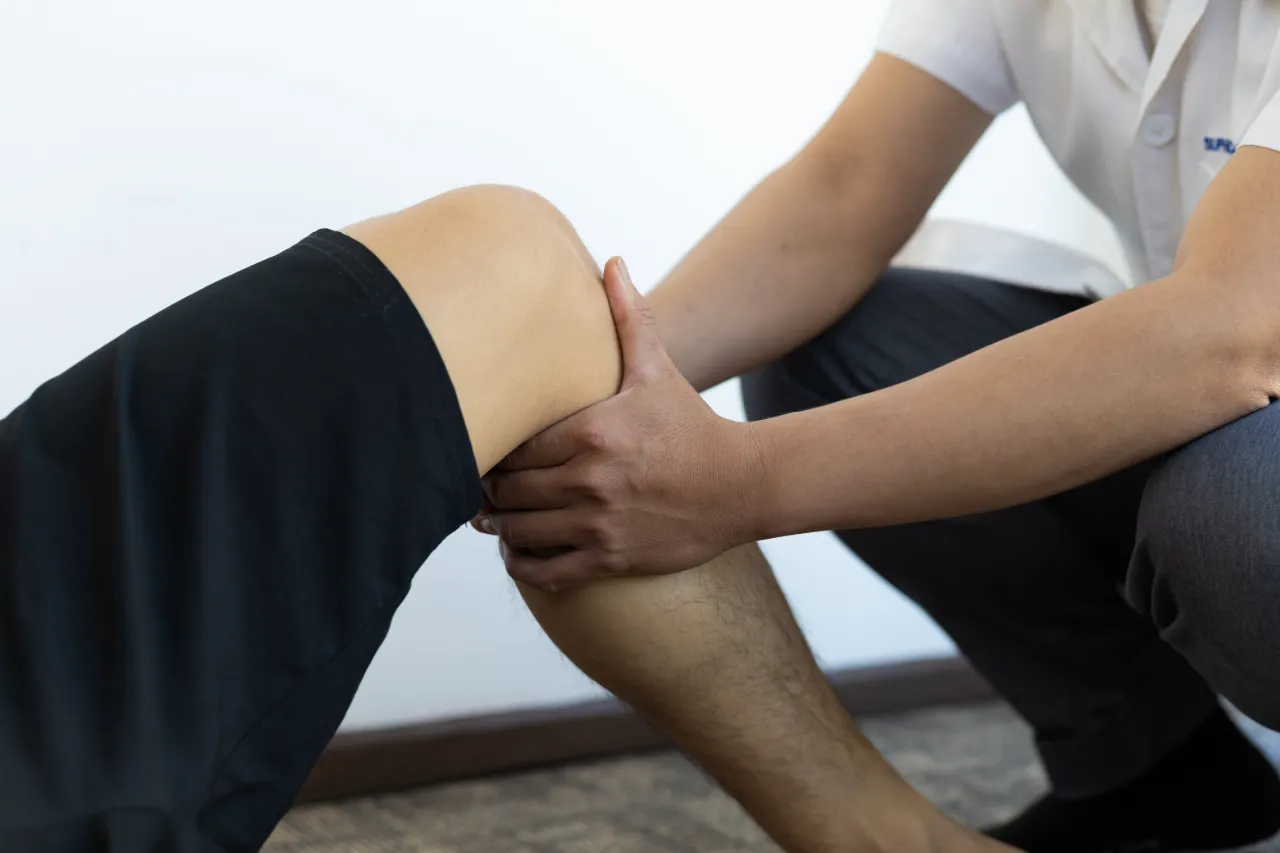
An anterior cruciate ligament (ACL) tear is one of the most common knee injuries among people who play sports. While ACL reconstruction surgery is often associated with returning to sport, treatment is not the same for everyone. Some patients recover successfully with rehabilitation alone, while others may benefit from surgery.
The most appropriate approach depends on several factors, including the stability of your knee, the demands of your sport, your recovery goals and whether other knee injuries are present. Understanding how these factors influence treatment decisions can help you make more informed choices about your recovery.
Key Takeaways
- Not every ACL tear requires reconstruction surgery to return to sport.
- Whether rehabilitation or surgery is recommended depends on knee stability, sporting demands, recovery goals and associated knee injuries.
- Early specialist assessment helps identify the extent of the injury and determine the most appropriate treatment approach.
- Returning to sport safely involves more than allowing the ACL to heal. Strength, stability and movement control are equally important.
- The goal is to return you to the activities that matter most while reducing the risk of further knee injury.
When Should You See a Knee Specialist for ACL injuries?
Not every knee injury requires surgery, but an ACL injury should be assessed promptly to determine the extent of the damage and whether other structures within the knee have also been injured. Early assessment helps guide treatment decisions and may improve your chances of returning safely to sport.
You should consider seeing a knee specialist if you experience:
- A twisting knee injury during sport, particularly if you heard or felt a "pop" at the time of injury.
- Significant swelling within the first few hours after injuring your knee.
- A feeling that your knee gives way or is unstable, especially during pivoting or changing direction.
- Difficulty returning to sport or physical activity because you no longer trust your knee.
- Persistent pain, swelling or reduced knee function despite rest and rehabilitation.
- Locking or catching of the knee, which may indicate an associated meniscus injury.
Following assessment, your specialist will consider several factors before recommending the most appropriate treatment approach.
What Determines Whether You Can Return to Sport Without ACL Surgery?
Not everyone with an ACL tear requires reconstruction surgery. Whether you can safely return to sport without surgery depends on how well your knee functions after the injury, the demands of your chosen sport and your long-term activity goals. These factors are considered together, which is why two people with similar ACL injuries may receive different treatment recommendations.
Knee Stability
One of the most important considerations is whether your knee remains stable during everyday activities and sport. If your knee frequently gives way, particularly during pivoting or sudden changes in direction, it may indicate that rehabilitation alone is unlikely to provide sufficient stability for a safe return to sport.
Your Sport and Activity Level
Different sports place different demands on the knee. Activities that involve frequent pivoting, cutting or jumping, such as football, basketball or netball, generally require greater knee stability than activities such as cycling, swimming or straight-line running. This influences whether non-surgical treatment is likely to provide adequate support for your chosen sport.
Your Recovery Goals
Treatment recommendations also depend on what you hope to return to after your injury. Someone aiming to compete in high-level sport may require a different treatment approach from someone whose goal is to return to recreational exercise or maintain an active lifestyle.
Other Knee Injuries
An ACL tear may occur alongside other injuries, including meniscus tears, cartilage damage or injuries to other knee ligaments. When additional structures within the knee are affected, they may influence both the recommended treatment and the expected recovery process.
ACL Treatment Options: When Rehabilitation or Surgery May Be Recommended
The aim of ACL treatment is to restore knee stability and help you return safely to your chosen activities. Whether rehabilitation or surgery is recommended depends on how well your knee functions and the demands you plan to place on it.
Non-Surgical Rehabilitation
Non-surgical treatment may be appropriate for patients whose knees remain stable after injury, whose sporting activities place lower demands on the knee or who are prepared to modify their activity level where necessary.
A structured rehabilitation programme typically focuses on:
- Restoring knee strength.
- Improving balance and neuromuscular control.
- Regaining confidence in knee movement.
- Gradually returning to sport or physical activity under professional guidance.
Your progress is reviewed regularly to ensure your rehabilitation is helping you move safely towards your recovery goals.
ACL Reconstruction Surgery
ACL reconstruction may be recommended when rehabilitation alone is unlikely to provide sufficient knee stability for your lifestyle or sporting goals.
Surgery may be considered if:
- Your knee continues to give way despite rehabilitation.
- You wish to return to sports that involve pivoting, cutting or sudden changes in direction.
- You have associated injuries, such as a meniscus tear or damage to other knee ligaments.
- Ongoing instability places your knee at greater risk of further injury.
Returning to Sport Is About More Than Healing the ACL
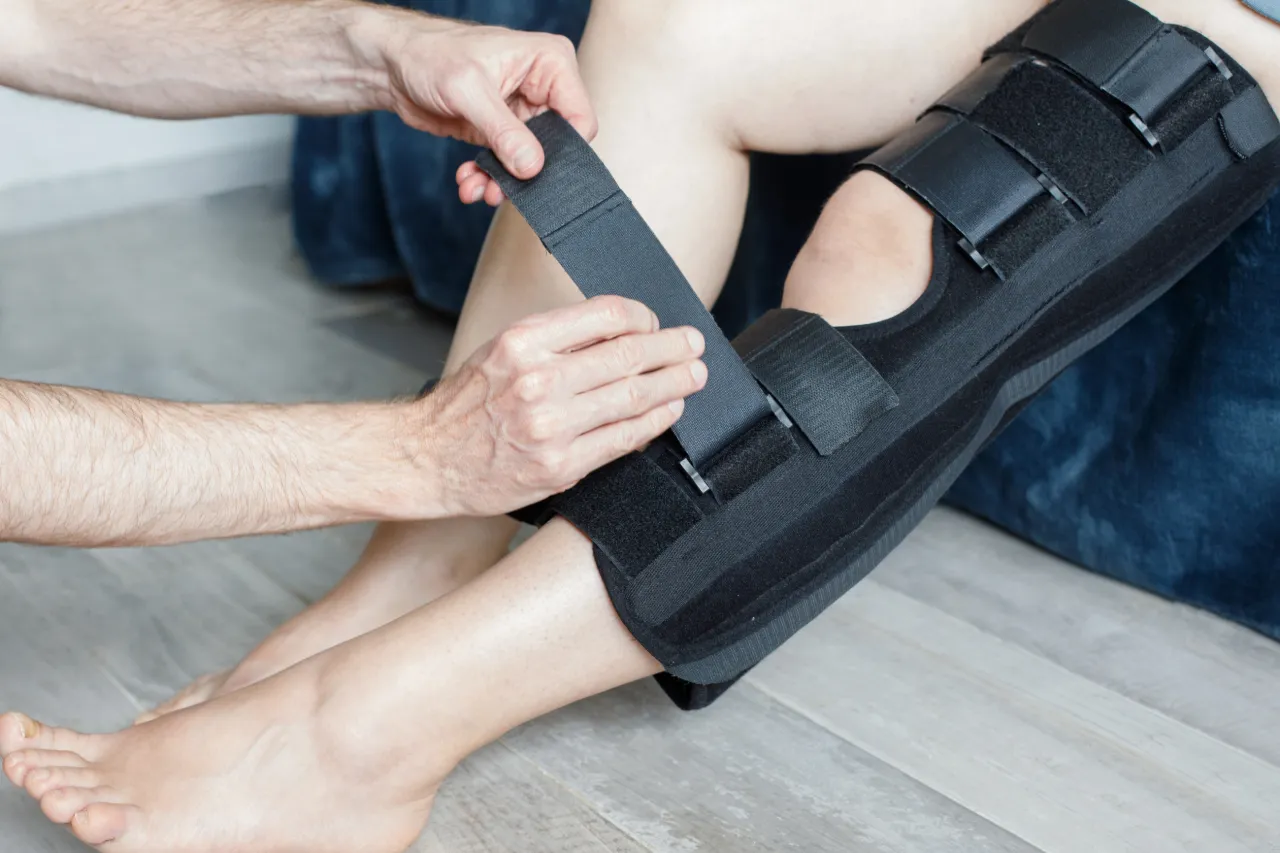
Whether you recover through rehabilitation alone or undergo ACL reconstruction surgery, returning to sport involves more than allowing the ACL to heal. A successful return depends on restoring knee strength, stability, movement control and confidence while reducing the risk of re-injury.
Before returning to sport, your specialist or physiotherapist may assess factors such as:
- Knee strength compared with your uninjured leg.
- Balance and movement control during sport-specific activities.
- The ability to jump, land and change direction safely.
- Knee stability during functional movements.
- Confidence in using your knee during training and competition.
Returning to sport too early may increase the risk of re-injury or damage to other structures within the knee. Progressing through rehabilitation and meeting appropriate return-to-sport milestones can help ensure your knee is ready for the demands of your chosen activity.
Return to Sport Confidently with HC Orthopaedic Surgery

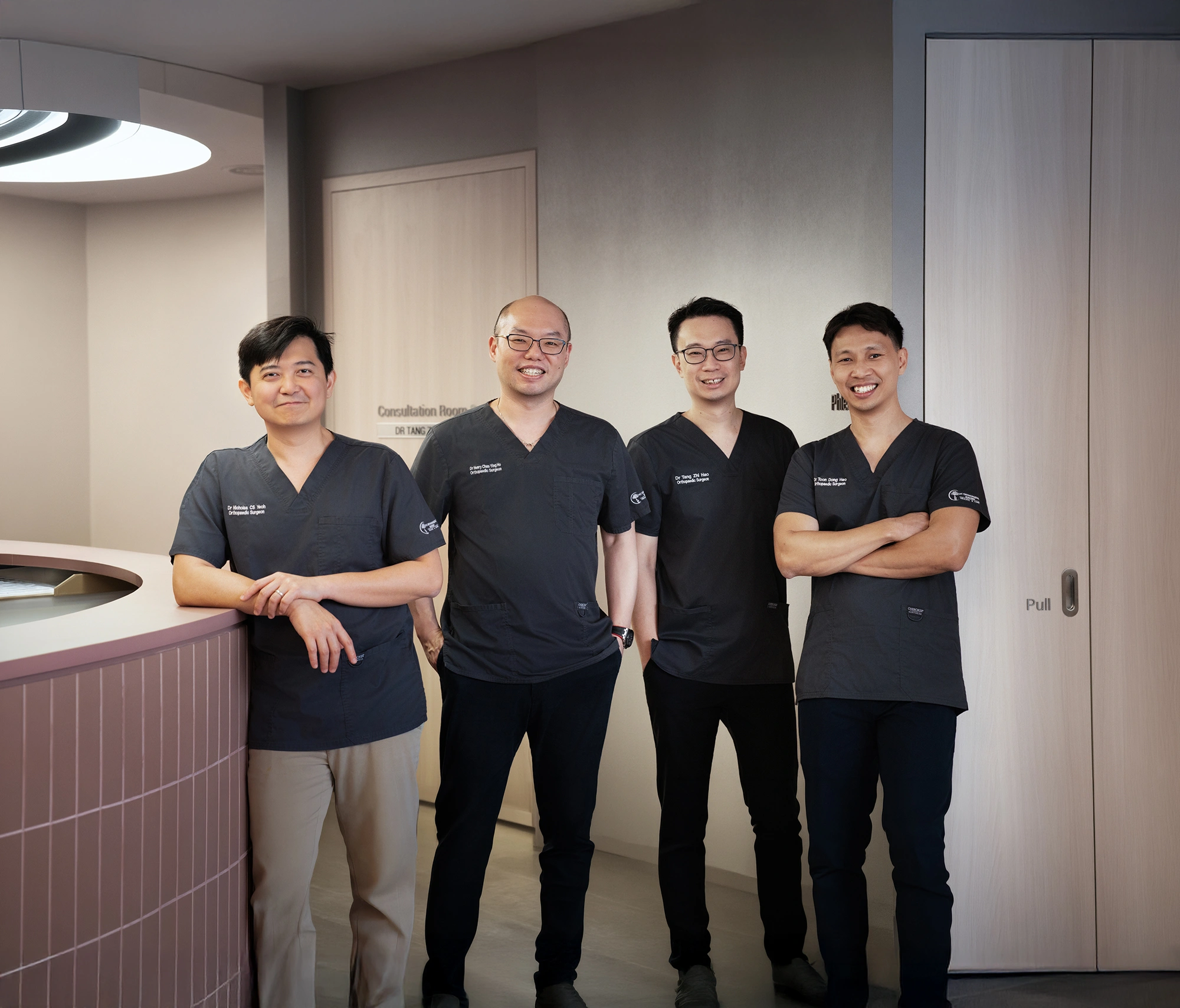
Our Specialised Team
FAQs About Returning to Sport After an ACL Injury
Can you tear your ACL without realising it?
Does every ACL tear show up on an MRI scan?
Can I reduce my risk of another ACL injury?
Will my knee always feel different after an ACL injury?
Meet Our ACL Surgeons in Singapore
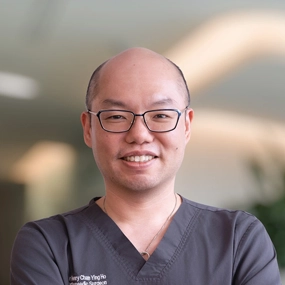
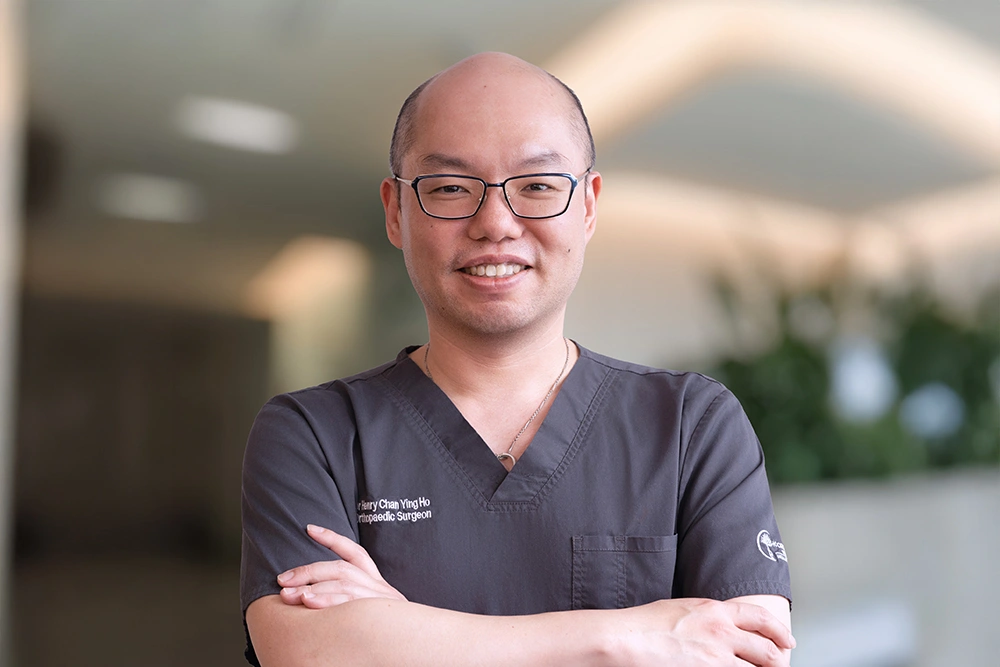
Dr Henry Chan
Medical Director & Senior Consultant Orthopaedic Surgeon
MBBS (S’pore), MRCS (Edinburgh), MMed (Orthopaedic Surgery), FRCS (Edinburgh)
Dr Henry Chan is an experienced orthopaedic surgeon specialising in joint replacement and complex revision surgery. Trained at the renowned Helios Endo-Klinik in Germany under the MOH HMDP scholarship, he has performed over 1,000 joint replacements and specialises in computer-assisted and robotic joint replacement techniques for precise outcomes.
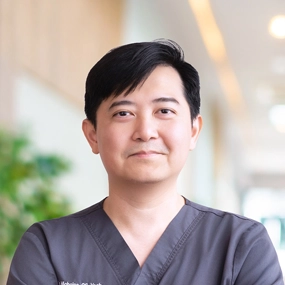
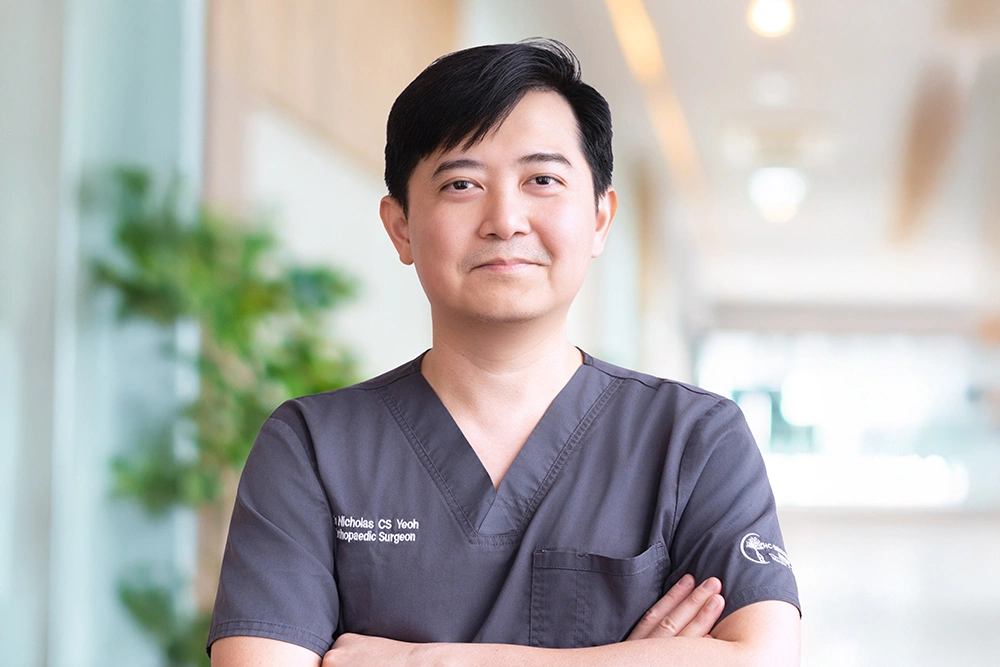
Dr Nicholas Yeoh
Senior Consultant Orthopaedic Surgeon
MBChB (Edinburgh), MRCS (Edinburgh), MMed (Orthopaedic Surgery), FRCS (Edinburgh)
Dr Nicholas Yeoh is an MOH-accredited orthopaedic specialist and Fellow of the Royal College of Surgeons of Edinburgh. Fellowship-trained in hip and knee reconstruction in Sydney under the MOH HMDP scholarship, he specialises in minimally invasive joint replacement, robotic surgery and advanced techniques that enhance recovery and surgical outcomes.
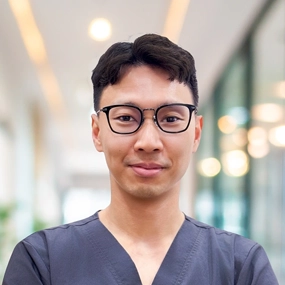
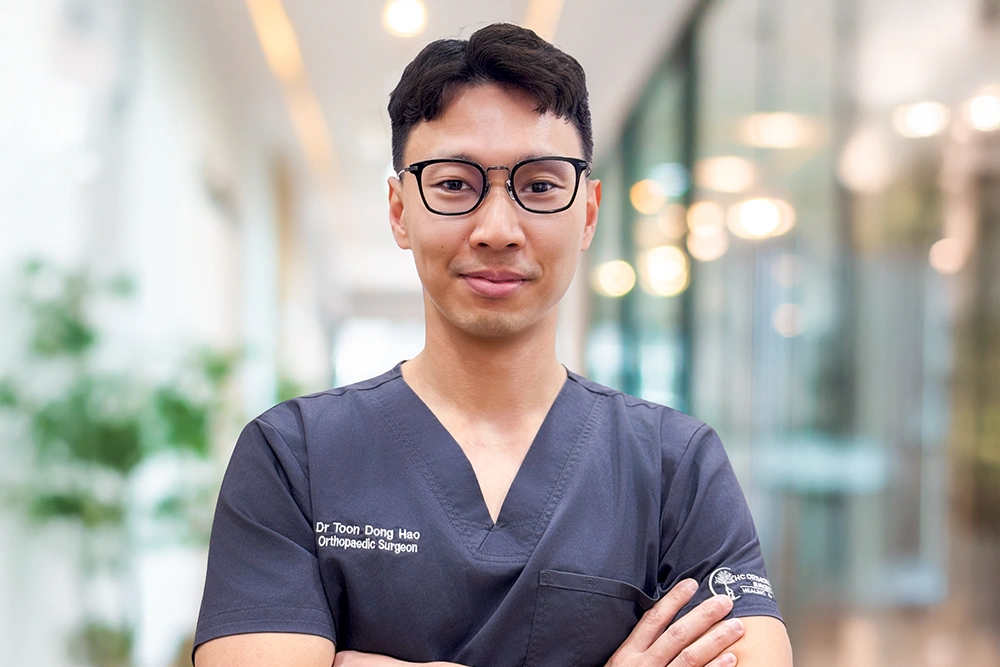
Dr Toon Dong Hao
Senior Consultant Orthopaedic Surgeon
MBChB (Leeds), MRCS (Edinburgh), MMed (Orthopaedic Surgery), FRCS (Edinburgh)
Dr Toon Dong Hao is a skilled orthopaedic surgeon and Fellow of the Royal College of Surgeons of Edinburgh. Fellowship-trained in Advanced Shoulder and Elbow Surgery in Sydney under the MOH HMDP scholarship, Dr Toon specialises in sports injuries, arthroscopic surgery and complex shoulder, elbow and knee procedures to restore function and mobility.
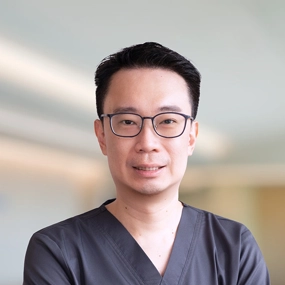
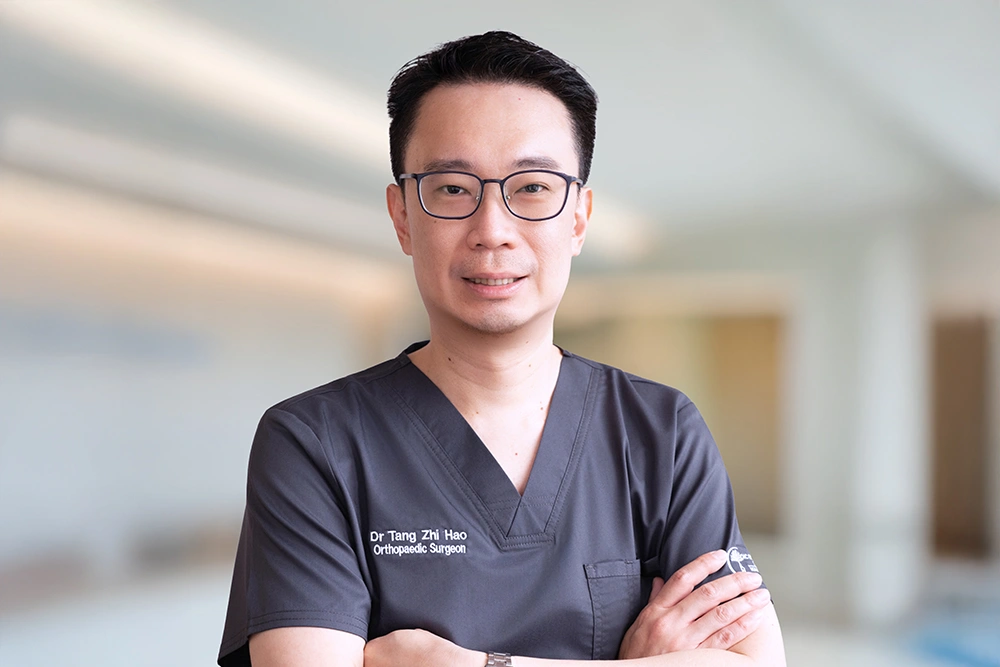
Dr Tang Zhi Hao
Senior Consultant Orthopaedic Surgeon
MBBS (S’pore), MRCS (Edinburgh), MMed (Orthopaedic Surgery), FRCS (Edinburgh)
Dr Tang Zhi Hao is a fellowship-trained orthopaedic surgeon specialising in foot and ankle conditions. He completed his Foot and Ankle Surgery fellowship at Severance Hospital, Yonsei University Health System in Seoul under Professor Jin Woo Lee. Prior to private practice, he served as Consultant and Deputy Head of Orthopaedics at Khoo Teck Puat Hospital.