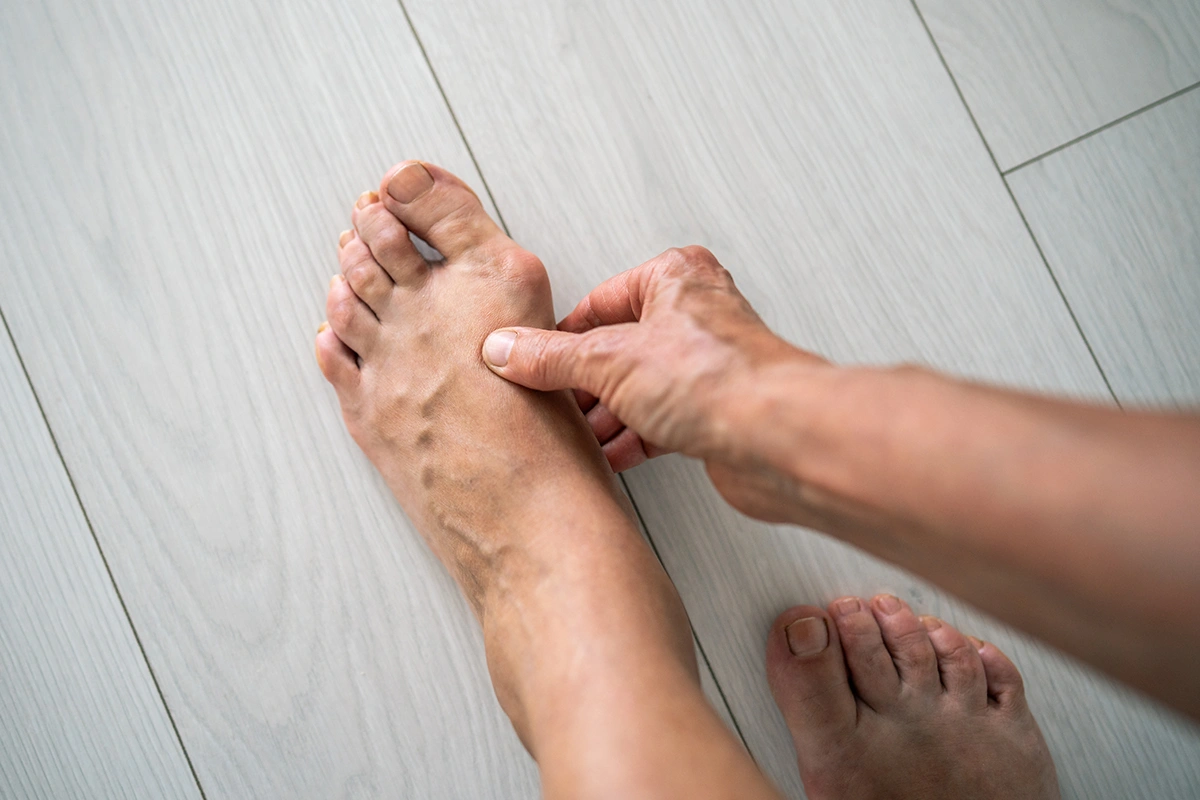
If you're considering bunion surgery or have already undergone the procedure, you may be wondering whether a bunion can come back after it has been corrected. The short answer is yes, although recurrence is not inevitable.
Bunion surgery is designed to provide lasting pain relief and improve toe alignment, and many patients achieve long-term success. However, factors such as foot structure, genetics, the severity of the original bunion, surgical technique and post-operative healing can all influence the likelihood of recurrence. Understanding why bunions sometimes return and the steps you can take to reduce the risk can help you set realistic expectations before surgery and protect your results afterwards.
Why Do Bunions Come Back After Surgery?
Although bunion surgery can provide long-term correction and pain relief, certain factors may increase the likelihood of the deformity returning. Understanding these risks can help patients take proactive steps to protect their surgical outcomes and maintain healthy foot alignment.
Severity of the Original Bunion
Patients with more advanced bunion deformities may have a higher risk of recurrence. Severe cases often involve significant changes to the bones, joints and soft tissues of the foot, making long-term correction more challenging.
Underlying Foot Structure and Genetics
Some individuals are naturally predisposed to developing bunions due to inherited foot shapes or biomechanical abnormalities. Flat feet, ligament laxity and joint instability can place ongoing stress on the big toe joint, increasing the chance of recurrence even after surgery.
Surgical Technique and Correction Achieved
The success of bunion surgery depends on adequately addressing the underlying cause of the deformity. If the bunion is not fully corrected or the procedure does not account for specific structural issues, the risk of recurrence may be higher. Your surgeon will recommend the most appropriate technique based on your individual condition.
Footwear Choices After Recovery
Wearing narrow, tight, or high-heeled shoes after recovery can place excessive pressure on the forefoot and big toe joint. Over time, this may contribute to the gradual return of bunion-related changes. Choosing supportive footwear with adequate toe room can help protect the surgical correction.
Failure to Follow Post-Operative Instructions
Post-operative care plays a crucial role in recovery and long-term outcomes. Returning to activities too quickly, ignoring weight-bearing restrictions, or missing follow-up appointments may increase the likelihood of recurrence.
Changes in Foot Mechanics Over Time
As people age, natural changes in joint function, ligament strength and foot biomechanics can affect alignment. While surgery corrects the existing deformity, ongoing changes in the foot may contribute to the development of new alignment issues years later.
How Can You Prevent Bunions From Coming Back?
While no surgical procedure can completely eliminate the possibility of recurrence, there are several steps you can take to help maintain proper foot alignment and reduce the risk of bunions returning. Long-term foot care and healthy habits play an important role in preserving the results of bunion surgery.
Wear Supportive, Well-Fitting Footwear
Choosing shoes with a wide toe box, adequate arch support and a comfortable fit can help reduce pressure on the big toe joint. Avoiding narrow or high-heeled shoes may lower the risk of placing excessive stress on the forefoot and contributing to recurrent deformity.
Follow Your Recovery Plan Carefully
Adhering to your surgeon's post-operative instructions is essential for proper healing. This includes following weight-bearing restrictions, wearing any recommended protective footwear and attending follow-up appointments to ensure the foot is recovering as expected.
Maintain Foot Strength and Flexibility
Your surgeon or physiotherapist may recommend exercises to improve foot strength, flexibility and joint mobility. Maintaining healthy foot function can help support proper alignment and reduce unnecessary strain on the big toe joint.
Address Underlying Biomechanical Issues
Conditions such as flat feet, overpronation, or joint instability can affect foot mechanics and increase the risk of recurrence. Orthotic devices or supportive footwear may be recommended to improve alignment and distribute pressure more evenly during walking.
Monitor Changes in Your Feet
Pay attention to any recurring pain, swelling, or changes in toe alignment after surgery. Seeking medical advice early can help identify potential issues before they progress and may allow for conservative treatment options.
Maintain a Healthy Lifestyle
Maintaining a healthy weight can reduce stress on the feet and lower the strain placed on joints during daily activities. Combined with proper footwear and regular foot care, this can help support long-term surgical outcomes.
Schedule Regular Follow-Up Assessments
Even after recovery is complete, periodic reviews with your foot and ankle specialist may be beneficial, particularly if you have risk factors for recurrence. Ongoing monitoring can help ensure the corrected alignment is maintained and any concerns are addressed promptly.
Why Is Proper Recovery Important After Bunion Surgery?
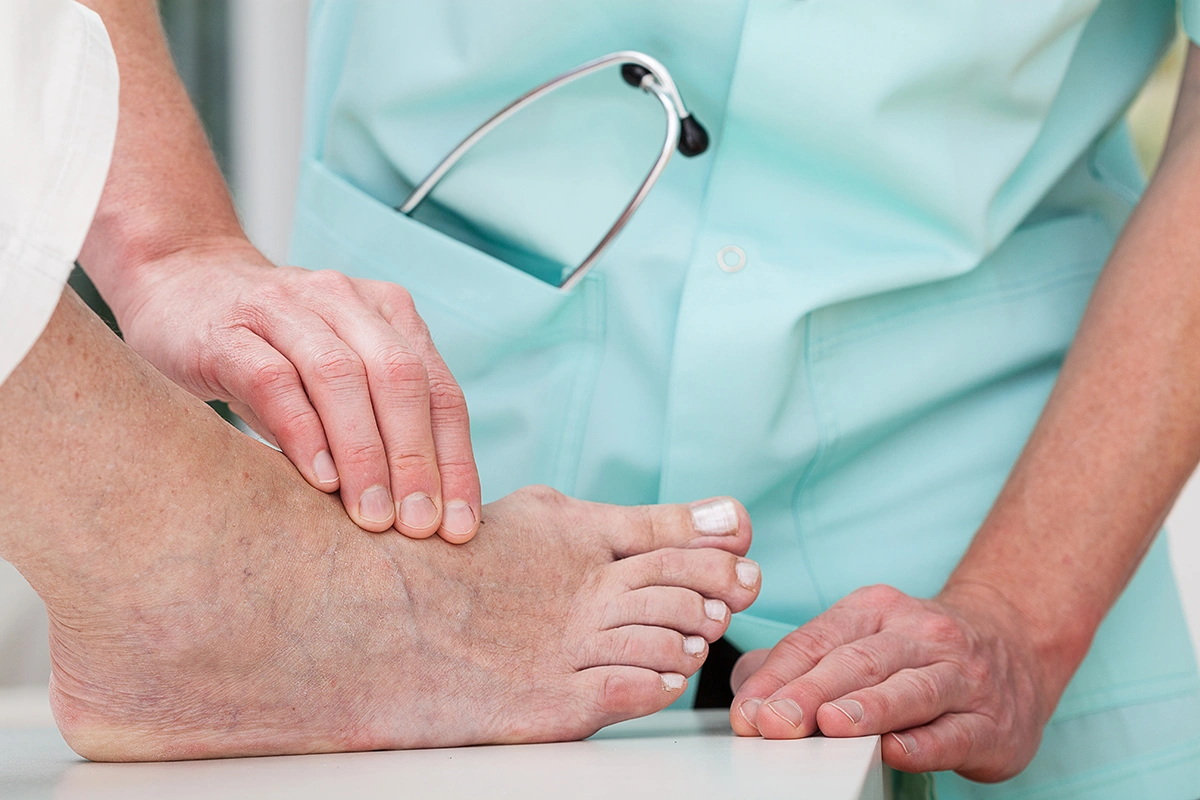
The success of bunion surgery depends not only on the procedure itself but also on how well the foot heals afterwards. Following your surgeon's post-operative instructions helps support bone healing, maintain the corrected alignment of the big toe and reduce unnecessary stress on the surgical site. Although recurrence is not always preventable, proper recovery and aftercare play an important role in achieving the best possible long-term outcome.
Managing Symptoms After Surgery
Swelling and bruising are common after bunion surgery and may last for several weeks. To help manage these symptoms, your surgeon may recommend elevating the foot, using cold therapy and taking prescribed medications as directed.
Weight-Bearing and Mobility
Depending on the type of surgery performed, you may need to limit weight-bearing activities or wear a protective post-operative shoe. Following these recommendations helps protect the surgical correction while the bones and soft tissues heal. Your surgeon will advise you on when it is safe to gradually resume walking and other daily activities.
Caring for the Surgical Site
Keeping the surgical dressings clean and dry is important to reduce the risk of infection and support healing. Follow any wound care instructions carefully and contact your healthcare provider if you notice signs of infection or unusual pain.
Follow-Up Appointments and Recovery Progress
Regular follow-up visits allow your surgeon to monitor bone healing, assess foot alignment and address any concerns during recovery. Activity levels are typically increased gradually based on your healing progress and clinical evaluation.
The Importance of Structured Aftercare
A successful recovery depends not only on the surgery itself but also on consistent aftercare. Following post-operative instructions can help support bone healing, preserve the corrected alignment of the foot and reduce the risk of complications that may affect long-term outcomes.
Supporting Long-Term Recovery After Bunion Surgery at HC Orthopaedic Surgery

Our Specialised Team
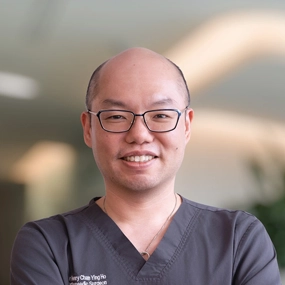
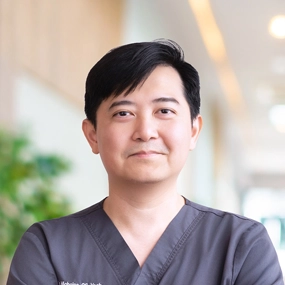
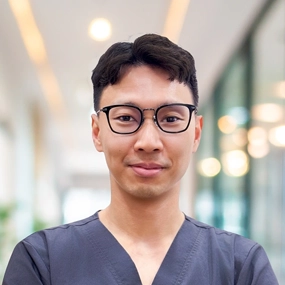
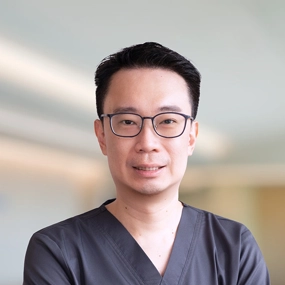
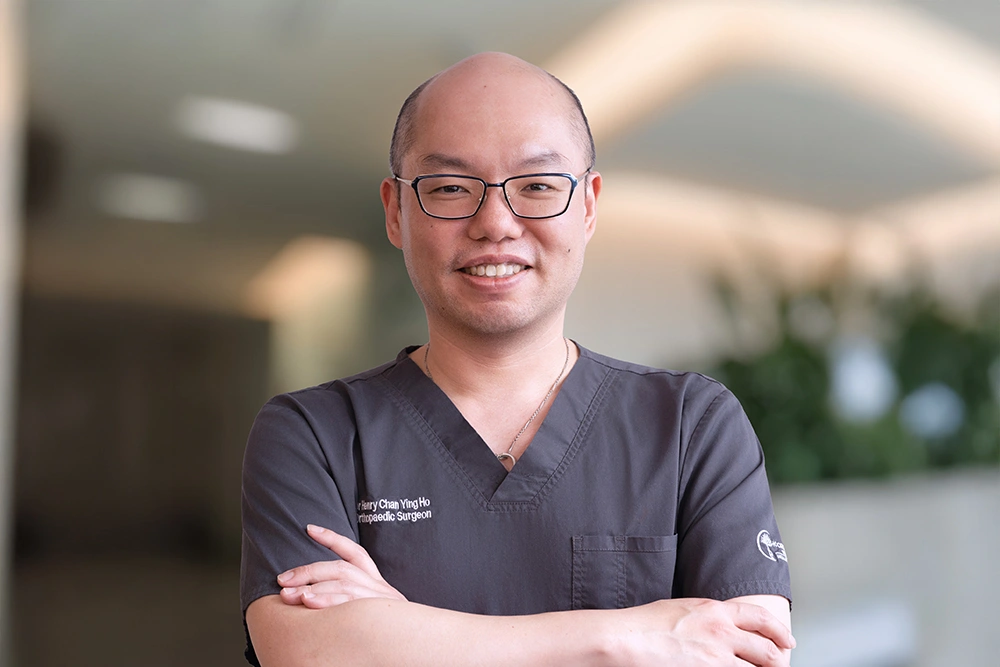
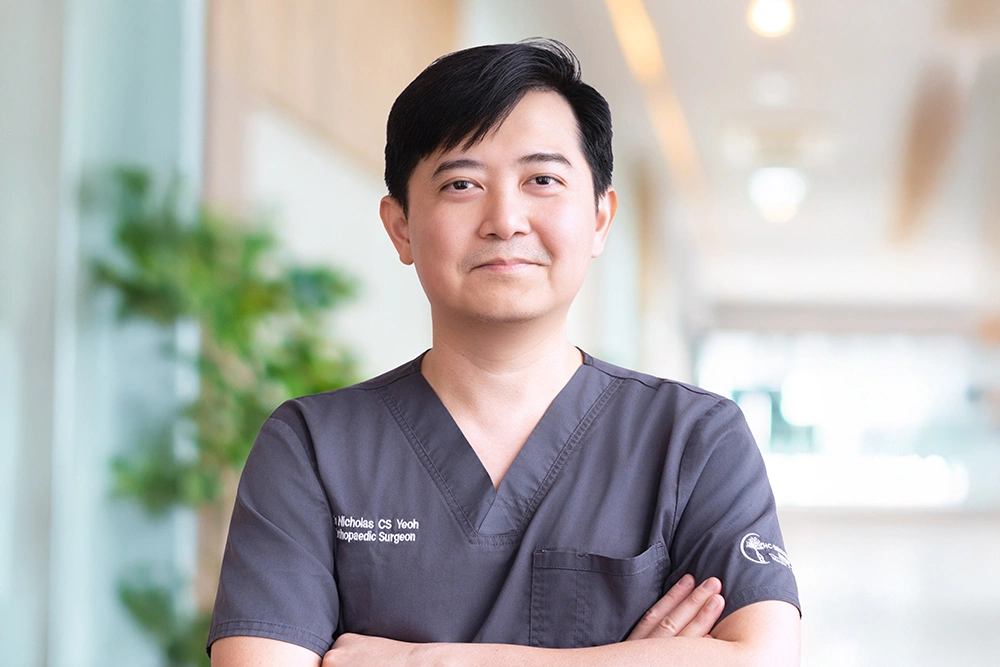
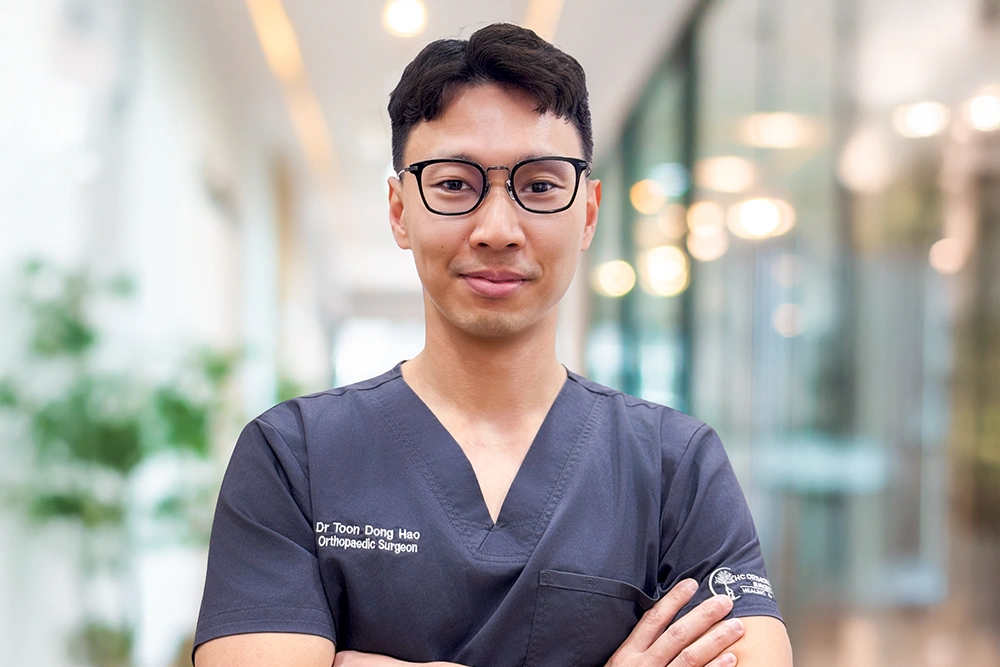
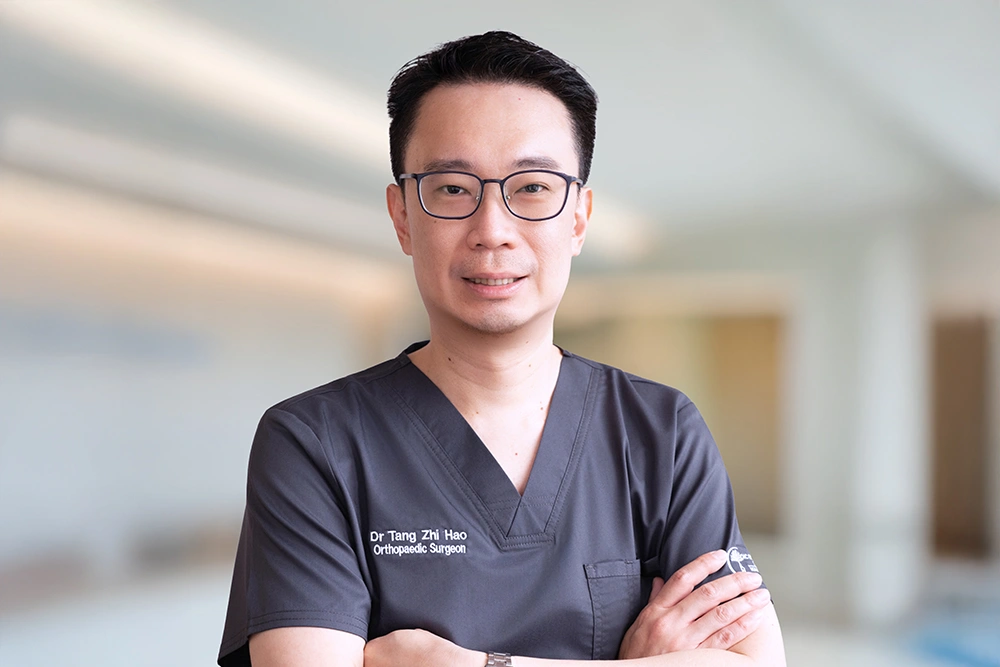
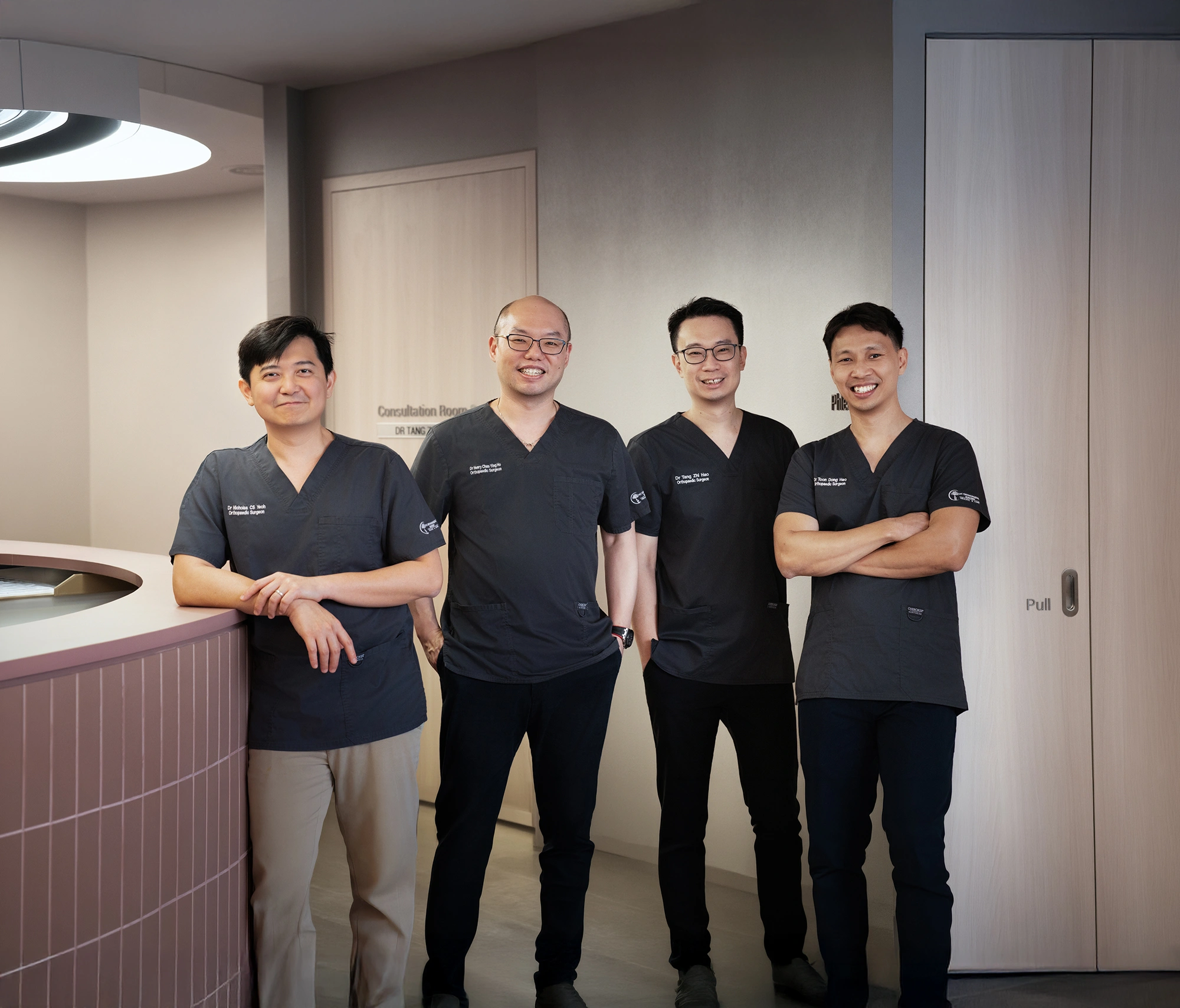
At HC Orthopaedic Surgery, we provide comprehensive assessments to evaluate the severity of your bunion and its impact on your daily activities. Our team of foot and ankle specialists, Dr Henry Chan, Dr Nicholas Yeoh, Dr Toon Dong Hao and Dr Tang Zhi Hao, will assess your foot alignment, identify potential causes of recurrence and recommend the most appropriate treatment to help relieve symptoms and support long-term foot function.
If you are experiencing persistent pain around the base of your big toe, consider seeking a medical assessment. Book an appointment with us today for a definitive diagnosis and a personalised treatment plan.
Frequently Asked Questions (FAQs) About Bunion Recurrence After Surgery
Can a recurrent bunion become as severe as the original bunion?
What symptoms may indicate that a bunion is returning?
Can a recurrent bunion be treated without another surgery?
Meet Our Specialist Team
Dr Henry Chan
Medical Director & Senior Consultant Orthopaedic Surgeon
MBBS (S’pore), MRCS (Edinburgh), MMed (Orthopaedic Surgery), FRCS (Edinburgh)
Dr Henry Chan is an experienced orthopaedic surgeon specialising in joint replacement and complex revision surgery. Trained at the renowned Helios Endo-Klinik in Germany under the MOH HMDP scholarship, he has performed over 1,000 joint replacements and specialises in computer-assisted and robotic joint replacement techniques for precise outcomes.
Dr Nicholas Yeoh
Senior Consultant Orthopaedic Surgeon
MBChB (Edinburgh), MRCS (Edinburgh), MMed (Orthopaedic Surgery), FRCS (Edinburgh)
Dr Nicholas Yeoh is an MOH-accredited orthopaedic specialist and Fellow of the Royal College of Surgeons of Edinburgh. Fellowship-trained in hip and knee reconstruction in Sydney under the MOH HMDP scholarship, he specialises in minimally invasive joint replacement, robotic surgery and advanced techniques that enhance recovery and surgical outcomes.
Dr Toon Dong Hao
Senior Consultant Orthopaedic Surgeon
MBChB (Leeds), MRCS (Edinburgh), MMed (Orthopaedic Surgery), FRCS (Edinburgh)
Dr Toon Dong Hao is a skilled orthopaedic surgeon and Fellow of the Royal College of Surgeons of Edinburgh. Fellowship-trained in Advanced Shoulder and Elbow Surgery in Sydney under the MOH HMDP scholarship, Dr Toon specialises in sports injuries, arthroscopic surgery and complex shoulder, elbow and knee procedures to restore function and mobility.
Dr Tang Zhi Hao
Senior Consultant Orthopaedic Surgeon
MBBS (S’pore), MRCS (Edinburgh), MMed (Orthopaedic Surgery), FRCS (Edinburgh)
Dr Tang Zhi Hao is a fellowship-trained orthopaedic surgeon specialising in foot and ankle conditions. He completed his Foot and Ankle Surgery fellowship at Severance Hospital, Yonsei University Health System in Seoul under Professor Jin Woo Lee. Prior to private practice, he served as Consultant and Deputy Head of Orthopaedics at Khoo Teck Puat Hospital.