

Being told that you have torn your ACL can quickly raise concerns about surgery. You may have heard of athletes undergoing ACL reconstruction and assume that an operation naturally follows this type of knee injury, but the treatment decision is not always so straightforward.
Some people may manage an ACL tear without surgery, while others may find that an ACL tear prevents them from carrying out everyday activities or participate in sports. Knowing where you fall between these two situations is an important part of deciding what treatment should come next.
When Is ACL Reconstruction More Likely to Be Needed?
ACL reconstruction is not automatically required for every ACL tear. Surgery becomes a stronger consideration when the injury leaves your knee unable to meet the demands of your everyday life, work or sporting activities. Several factors can shift the treatment decision towards reconstruction.
Your Knee Repeatedly Gives Way
Persistent instability is one of the main reasons ACL reconstruction may be considered. You may feel your knee buckle or give way when turning, changing direction or performing other movements that require greater control.
If this begins happening during normal daily activities, the instability can affect more than sport. It may interfere with your confidence when walking, using stairs or carrying out physically demanding tasks. Repeated episodes of instability can also place additional stress on structures such as the meniscus and articular cartilage.
You Want to Return to Pivoting or Cutting Sports
Your sporting goals can significantly influence whether ACL tear surgery is considered. Football, basketball, netball, rugby and racquet sports involve sudden changes in direction, pivoting, landing or cutting movements that place greater demands on the ACL.
If you intend to return to these activities, particularly at a high level, ACL reconstruction may be considered to provide the stability required for these movements. By comparison, lower-impact activities that involve more predictable movement may place fewer demands on an ACL-deficient knee.
Rehabilitation Has Not Restored Functional Stability
Physiotherapy can be an important part of non-surgical ACL tear treatment, but the response varies between individuals. You may regain strength and range of motion yet continue to experience instability when you increase your activity level. If a structured rehabilitation programme, activity modification and bracing where appropriate have not allowed your knee to function reliably, surgery may then be considered.
You Have Other Knee Injuries
An ACL tear can occur together with damage to the meniscus, articular cartilage or other ligaments. These associated injuries can influence whether surgery is recommended and how treatment is planned.
For example, certain meniscus tears occurring alongside an unstable ACL may need surgical treatment. Your orthopaedic surgeon will therefore consider the ACL in the context of the whole knee rather than treating the ligament as an isolated injury.

What Happens When Surgery Is Recommended?
When surgery forms part of your ACL treatment, it usually involves reconstruction rather than simply repairing the torn ligament. The procedure is generally performed using keyhole surgery (arthroscopy), which involves small incisions around the knee. A tendon graft, taken from your own body or obtained from a donor, is used to reconstruct the torn ligament and help restore knee stability.
Surgery may not take place immediately. Swelling and stiffness often need to improve first, and pre-operative physiotherapy may be recommended to restore range of motion and muscle control.
Rehabilitation continues after reconstruction and is an essential part of recovery. Progress towards running, jumping and eventually returning to sport is guided by how your knee recovers, including strength, movement control and functional performance.
The need for ACL surgery is not always clear immediately after an injury. A thorough assessment can help establish the most suitable way forward, with the aim of restoring function and supporting a safe return to the activities that matter to you.

Knowing When ACL Surgery Is the Right Next Step
The need for ACL surgery is not always clear immediately after an injury. A thorough assessment can help establish the most suitable way forward, with the aim of restoring function and supporting a safe return to the activities that matter to you.

Our Specialised Team
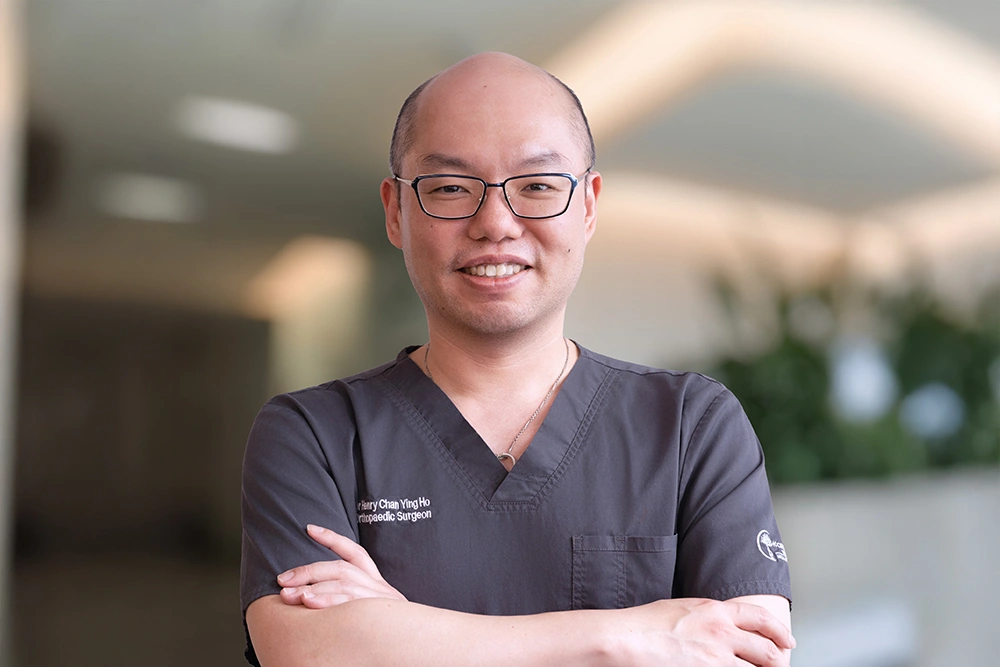
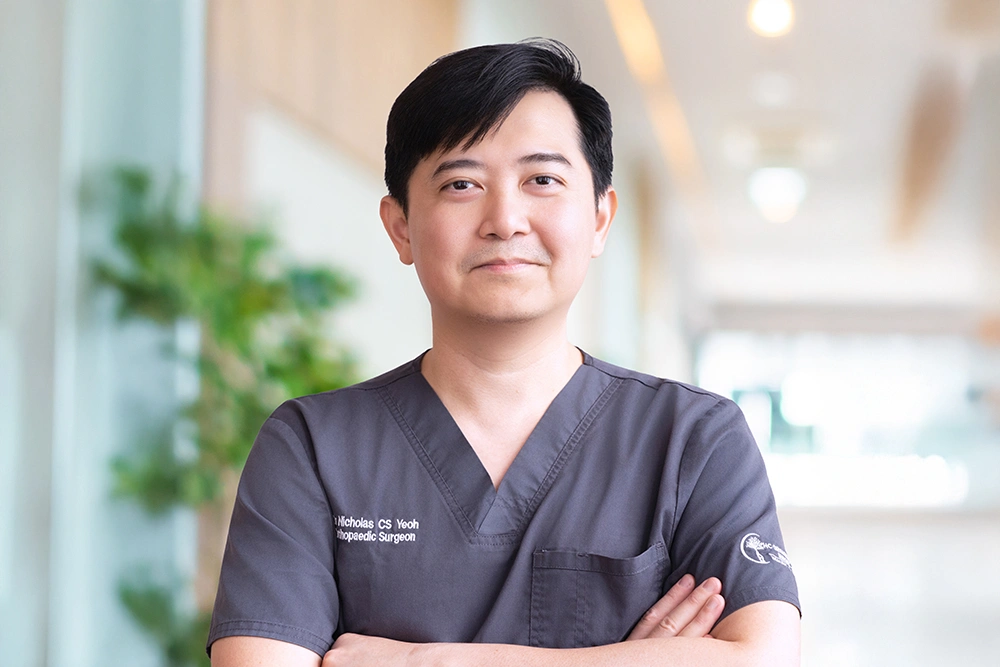
At HC Orthopaedic Surgery in Singapore, ACL injuries are assessed and managed by knee specialists Dr Henry Chan and Dr Nicholas Yeoh, with Dr Tang Zhi Hao also part of the wider orthopaedic team. If you are weighing up your options after an ACL tear, schedule a consultation to have your knee assessed and get clearer guidance on whether surgery should form part of your treatment.
FAQs About When ACL Surgery May Be Necessary
Can you walk normally with a torn ACL and still need surgery?
Can delaying ACL surgery cause more knee damage?
Can you change your mind about ACL surgery after trying non-surgical treatment?
Meet Our Doctors
Dr Henry Chan
Medical Director & Senior Consultant Orthopaedic Surgeon
MBBS (S’pore), MRCS (Edinburgh), MMed (Orthopaedic Surgery), FRCS (Edinburgh)
Dr Nicholas Yeoh
Senior Consultant Orthopaedic Surgeon
MBChB (Edinburgh), MRCS (Edinburgh), MMed (Orthopaedic Surgery), FRCS (Edinburgh)
Dr Tang Zhi Hao
Senior Consultant Orthopaedic Surgeon
MBBS (S’pore), MRCS (Edinburgh), MMed (Orthopaedic Surgery), FRCS (Edinburgh)