
Nyeri pinggul tidak selalu muncul karena kejadian besar atau kecelakaan. Banyak orang merasakan sakit secara bertahap tanpa jatuh, cedera olahraga, atau trauma. Ini karena sendi pinggul dapat terpengaruh — tidak hanya oleh cedera mendadak, tetapi juga oleh aus, peradangan, otot yang tidak seimbang, postur tubuh, penggunaan berlebihan, atau nyeri menjalar dari area sekitar seperti punggung bawah. Kadang, gejala muncul perlahan karena tekanan berulang saat beraktivitas sehari-hari, meski tidak ada satu momen spesifik yang diingat.
Karena pinggul menopang berat badan dan gerak sepanjang hari, masalah kecil pun bisa menumpuk hingga berjalan, naik tangga, atau duduk lama terasa tidak nyaman. Memahami berbagai penyebabnya membantu Anda menentukan kapan cukup dipantau saja dan kapan saatnya mencari pemeriksaan medis.
Osteoartritis dan Aus Sendi Bertahap
Salah satu penyebab nyeri pinggul tanpa cedera paling umum adalah osteoartritis pinggul. Ini terjadi saat tulang rawan pelindung sendi menipis secara perlahan. Akibat permukaan sendi makin kasar, gerakan pun bisa kaku atau menimbulkan nyeri.
Sering kali rasa nyeri timbul di selangkangan, sisi luar pinggul, atau paha – khususnya saat pagi hari atau setelah lama duduk. Ada juga yang mendengar bunyi 'klik' atau gerak sendi jadi terbatas saat pakai sepatu atau naik mobil. Meski usia merupakan faktor risiko, osteoartritis bisa mengenai orang muda bila ada faktor beban sendi berulang, berat badan berlebih, atau riwayat keluarga.
Iritasi Tendon & Bursitis
Sendi pinggul dikelilingi oleh tendon dan bantalan berisi cairan (bursa) yang mengurangi gesekan. Gerakan berulang, lama berdiri, atau langsung meningkatkan aktivitas bisa mengiritasi struktur ini. Sindrom nyeri trokanter mayor, sering berkaitan bursitis atau iritasi tendon di sisi luar pinggul, menyebabkan nyeri saat tidur miring, berjalan jauh, atau naik tangga. Ini bisa dialami pelari, pekerja kantoran, dan orang aktif. Tidak seperti artritis, sendi umumnya tetap bisa digerakkan, namun tekanan di sisi pinggul terasa nyeri.

Ketegangan Otot & Ketidakseimbangan
Tidak semua ketegangan otot berasal dari olahraga. Otot fleksor pinggul yang kaku, otot bokong yang lemah, atau pola gerakan yang kurang baik lama-kelamaan memberi beban lebih pada pinggul. Duduk lama, kurang peregangan, atau mendadak aktif juga dapat memicunya.
Saat otot pendukung tidak cukup kuat, jaringan lain sering bekerja berlebih lalu menjadi sakit – biasanya berupa nyeri tumpul, kaku setelah istirahat, atau pegal setelah berjalan jauh.
Nyeri Menjalar dari Punggung Bawah
Permasalahan pada tulang belakang bawah atau sendi sakroiliaka dapat memunculkan rasa sakit di bokong, selangkangan, atau sisi luar paha, hingga terasa seperti nyeri pinggul. Iritasi saraf di punggung juga bisa membuat kesemutan, panas, atau kelemahan. Bila gerak pinggul normal tapi nyeri muncul saat membungkuk, batuk, atau duduk lama, mungkin sumbernya dari punggung bawah. Pemeriksaan medis sangat penting agar pengobatannya tepat – beda asal nyeri, beda pula solusinya.
Cedera Labrum & Masalah Struktural
Di sendi pinggul, ada gelang rawan sendi bernama 'labrum' yang menjaga stabilitas. Cedera labrum bisa terjadi perlahan akibat gerakan memutar berulang, tekukan dalam, atau bentuk sendi yang kurang ideal (misal femoroacetabular impingement). Gejalanya berupa nyeri mengunci, klik, persendian terasa 'gerak tidak mulus', atau nyeri saat jongkok, memutar badan, dan olahraga. Lebih sering terjadi pada dewasa muda dan orang aktif, tapi semua orang bisa berisiko.
Kondisi Inflamasi
Beberapa penyakit juga bisa memicu nyeri pinggul tanpa riwayat cedera, misalnya artritis reumatoid, ankylosing spondylitis, dan kondisi peradangan lain yang memengaruhi sendi serta jaringan sekitarnya.
Nyeri akibat radang biasanya lebih berat pagi hari, membaik dengan peregangan ringan, dan sering mengenai sendi lain juga. Bisa disertai lelah atau kaku di seluruh tubuh. Diagnosis dini penting supaya terapi bisa segera dilakukan dan sendi tetap sehat jangka panjang.
Kapan Sebaiknya Anda Konsultasi ke Dokter?
Keluhan ringan biasanya membaik dengan istirahat, penyesuaian aktivitas, serta olahraga bijak, namun jangan abaikan nyeri yang terus-menerus. Konsultasikan dengan spesialis pinggul bila Anda alami:
Nyeri Lebih dari Beberapa Minggu
Jika rasa sakit tak juga membaik lebih dari beberapa minggu, apalagi mulai ganggu tidur, berjalan, atau aktivitas harian, sebaiknya segera diperiksa.
Pergerakan Terbatas atau Mulai Pincang
Bila makin sulit naik tangga, memakai kaos kaki, atau cara berjalan berubah — bisa jadi ada masalah struktural yang perlu diatasi lebih lanjut.
Sendi Mengunci, Berbunyi atau Tak Stabil
Kalau sendi pinggul sering terasa 'mengunci', berbunyi, atau tidak stabil, ini bisa terkait kerusakan labrum atau masalah struktural.
Nyeri Malam Hari atau Semakin Parah
Nyeri yang sampai mengganggu tidur atau makin memburuk seiring waktu, lebih baik segera dikonsultasikan daripada dibiarkan berlarut.
Demam, Kemerahan, atau Nyeri Tajam Mendadak
Kalau muncul gejala seperti ini, butuh penanganan medis segera karena infeksi atau kondisi berbahaya lainnya harus disingkirkan.
Dapatkan Solusi Medis & Kembali Bergerak Nyaman
Dapatkan Solusi Medis & Kembali Bergerak Nyaman

Tim Spesialis Kami
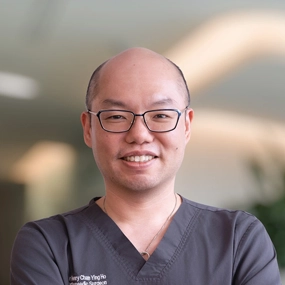
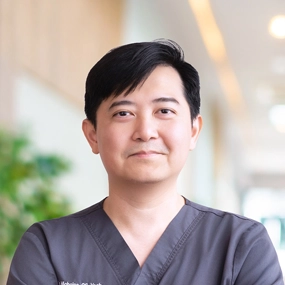
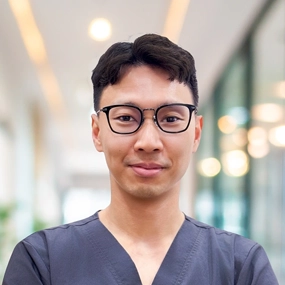
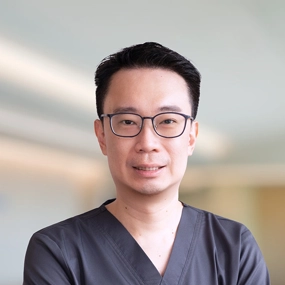
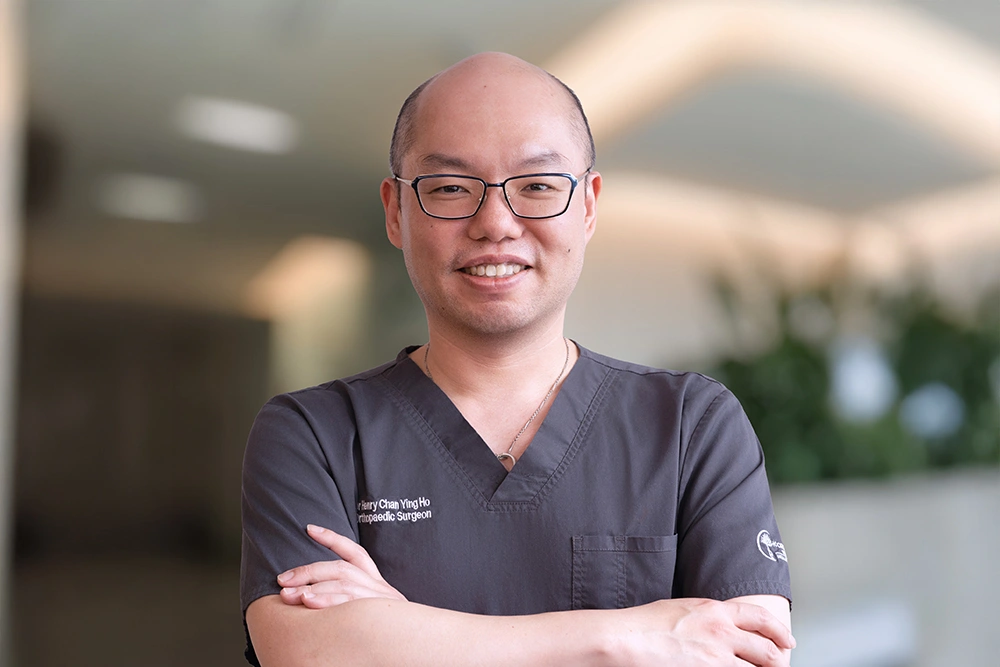
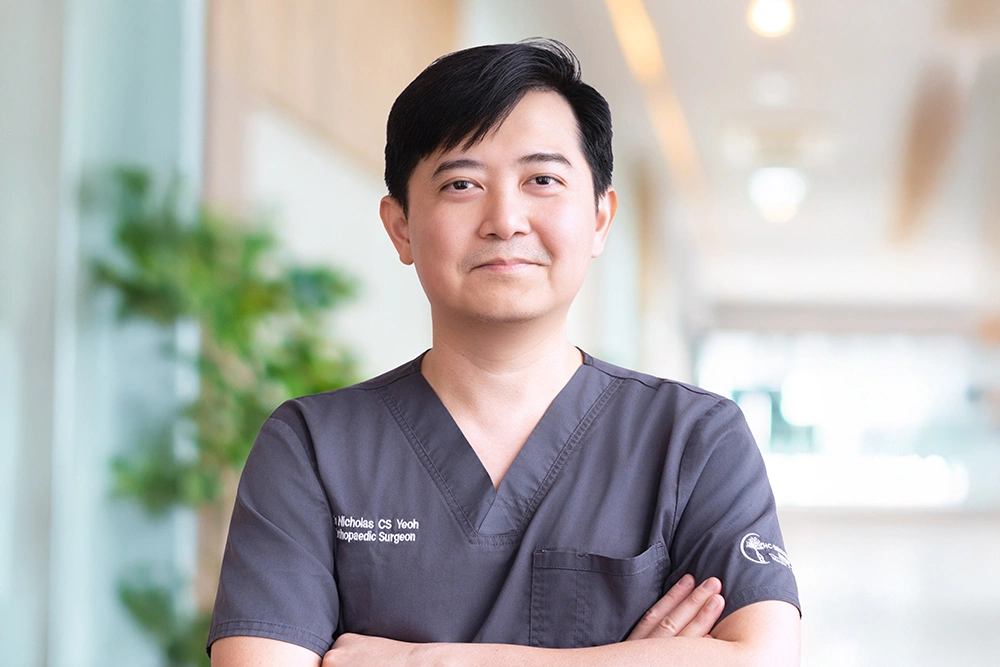
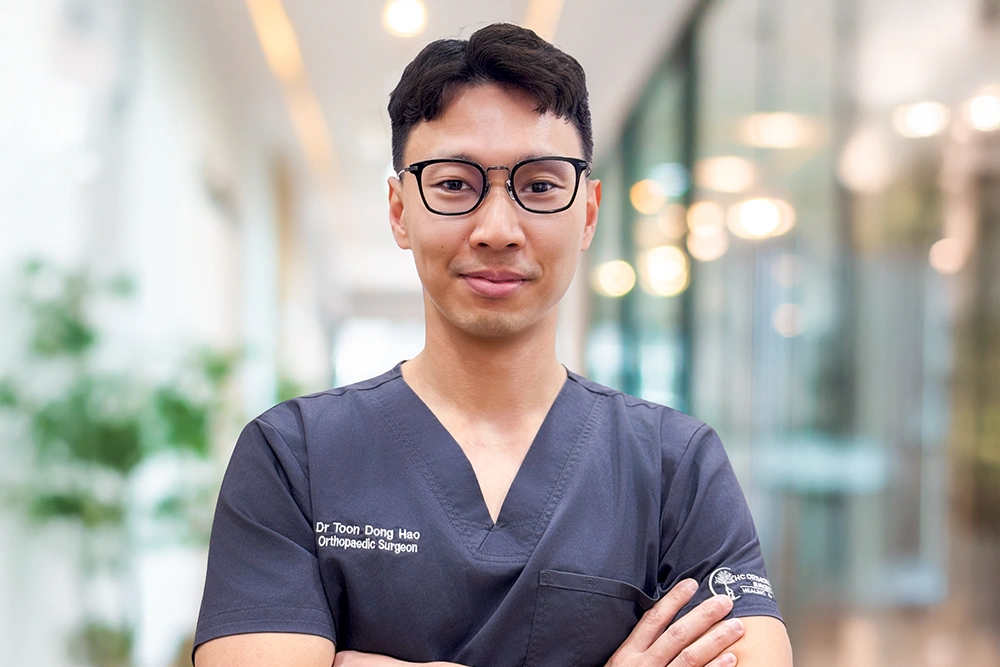
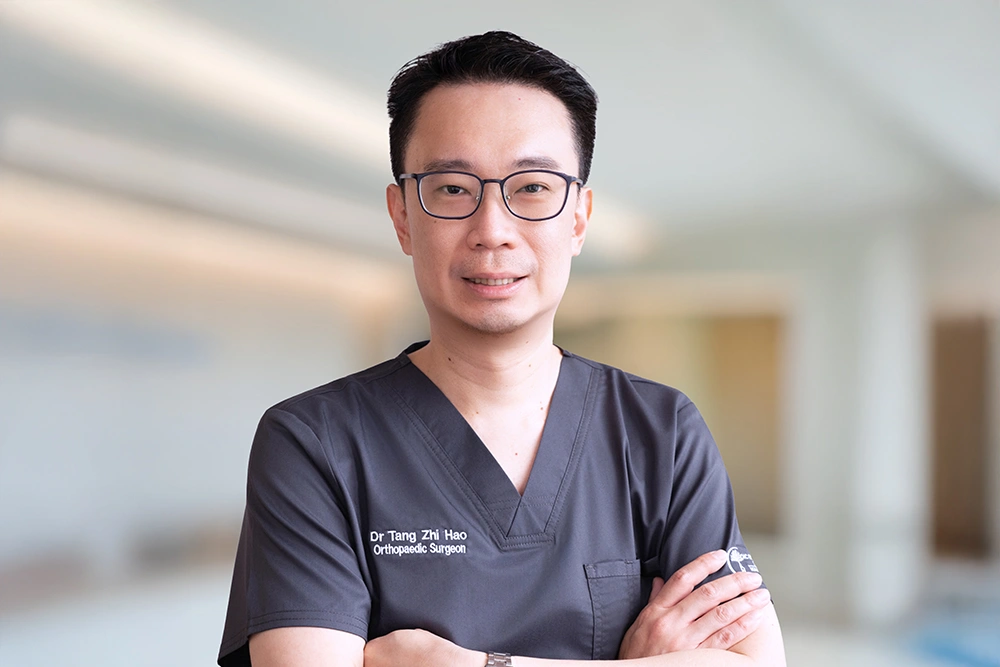
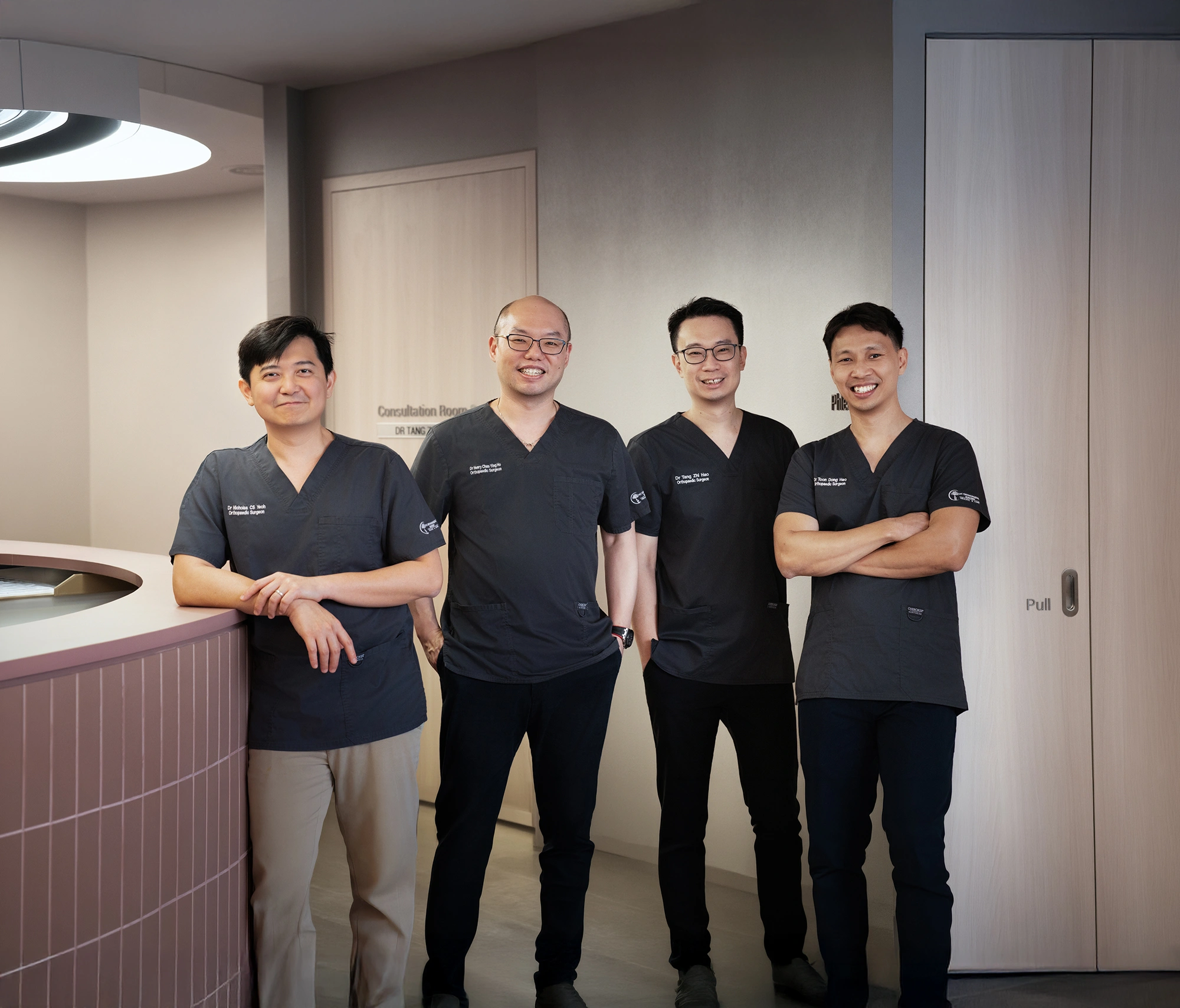
Untuk masalah pinggul, HC Orthopaedic Surgery menghadirkan layanan spesialis bersama Dr Henry Chan dan Dr Nicholas Yeoh, serta didukung oleh Dr Toon Dong Hao dan Dr Tang Zhi Hao. Tim kami menangani berbagai kondisi ortopedi pinggul & muskuloskeletal. Pemeriksaan menyeluruh dan penanganan personal membantu mengurangi nyeri, memulihkan gerakan dan meningkatkan kualitas hidup. Bila nyeri pinggul sudah mengganggu aktivitas harian, jadwalkan konsultasi untuk solusi yang tepat.
Temui Spesialis Pinggul Kami di Singapura
Dr Henry Chan
Direktur Medis & Konsultan Senior Bedah Ortopedi
MBBS (S’pore), MRCS (Edinburgh), MMed (Orthopaedic Surgery), FRCS (Edinburgh)
Dr Nicholas Yeoh
Konsultan Senior Bedah Ortopedi
MBChB (Edinburgh), MRCS (Edinburgh), MMed (Orthopaedic Surgery), FRCS (Edinburgh)
Dr Toon Dong Hao
Konsultan Senior Bedah Ortopedi
MBChB (Leeds), MRCS (Edinburgh), MMed (Orthopaedic Surgery), FRCS (Edinburgh)
Dr Tang Zhi Hao
Konsultan Senior Bedah Ortopedi
MBBS (S’pore), MRCS (Edinburgh), MMed (Orthopaedic Surgery), FRCS (Edinburgh)