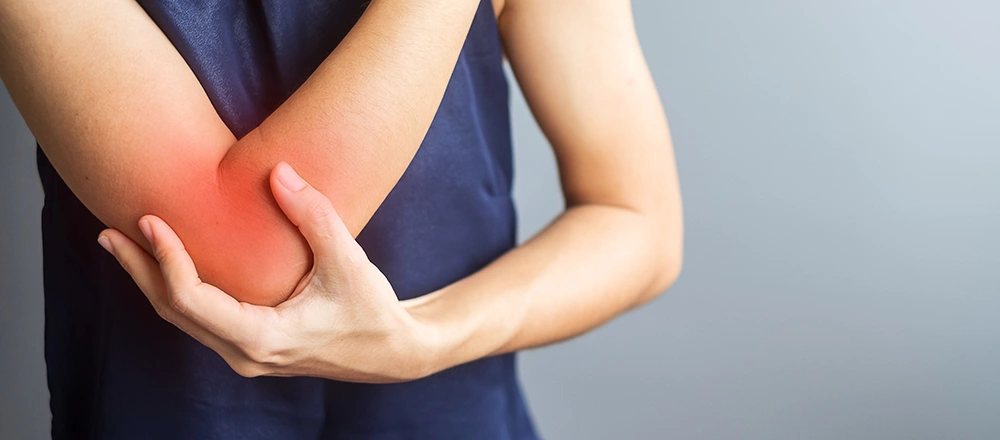
Rutinitas harian seringkali melibatkan penggunaan tangan dan lengan secara berulang tanpa banyak disadari. Mulai dari mengetik di meja, membawa barang, hingga berolahraga, semuanya memberikan beban terus-menerus pada otot dan tendon lengan bawah. Umumnya tubuh dapat beradaptasi dengan baik, namun gerakan yang sama jika diulang-ulang dalam waktu lama bisa menyebabkan area tendon di sekitar siku mengalami kelelahan secara bertahap dan berujung pada tennis elbow.
Beberapa orang mungkin merasakan kekuatan genggaman berkurang saat mengangkat benda, atau merasa tidak nyaman ketika memutar gagang pintu atau berjabat tangan. Gejala awal ini biasanya samar dan mudah diabaikan, namun sebenarnya menunjukkan peningkatan tekanan pada tendon. Kabar baiknya, risiko dapat berkurang jauh bila Anda menjaga kebiasaan dan kesadaran tubuh yang baik.
Memahami Faktor Penyebab Stres pada Siku
Tennis elbow terjadi saat tendon penghubung otot lengan bawah ke bagian luar siku mengalami beban berulang secara berlebihan. Kondisi ini biasanya terjadi akibat gerakan menggenggam, mengangkat, atau memutar berulang yang memberi tekanan pada titik yang sama. Pekerjaan seperti menggunakan mouse, alat pertukangan, atau kerja fisik berulang bisa mempercepat keausan. Dalam olahraga, teknik yang kurang tepat atau tiba-tiba meningkatkan intensitas latihan juga menambah beban pada lengan bawah. Lama-kelamaan, tendon dapat mengalami robekan mikro, sehingga menimbulkan nyeri dan menurunnya fungsi.
Bangun Kebiasaan Gerak yang Lebih Bijak di Kehidupan Sehari-hari
Salah satu cara paling efektif mengurangi risiko adalah melakukan penyesuaian kecil pada cara Anda memakai lengan saat beraktivitas. Kebiasaan ini membantu mendistribusikan beban lebih seimbang dan mencegah stres yang tidak diperlukan.
Gunakan Teknik yang Benar Saat Melakukan Gerakan Berulang
Ketika mengetik di meja atau mengangkat barang, pertahankan posisi pergelangan tangan tetap netral untuk meminimalkan ketegangan pada lengan bawah. Hindari menggenggam terlalu kuat agar tekanan pada tendon lebih ringan.
Atur Ergonomi Tempat Kerja Anda
Pengaturan meja dan kursi yang baik sangat membantu. Pastikan keyboard setinggi siku, kursi nyaman, dan mouse mudah dijangkau agar lengan tak perlu berlebihan bergerak.
Ambil Istirahat Secara Berkala dari Gerakan Berulang
Jeda singkat sepanjang hari memberi waktu bagi otot dan tendon untuk pulih. Bahkan istirahat singkat di antara aktivitas berulang dapat menurunkan stres yang menumpuk di siku.
Cara Memperkuat dan Melindungi Otot Lengan Bawah
Melatih otot di sekitar siku meningkatkan daya tahan terhadap beban dan menurunkan risiko cedera karena penggunaan berlebihan. Pastikan latihan bertahap dan tidak tergesa-gesa.
Sisipkan Latihan Penguatan Lengan Bawah yang Lembut
Latihan dengan beban ringan seperti wrist curl atau squeeze ball membantu membangun stamina otot lengan bawah. Mulailah perlahan, lakukan secara terkontrol.
Tingkatkan Fleksibilitas pada Pergelangan dan Lengan
Melakukan peregangan otot ekstensor dan fleksor pergelangan membantu menjaga kelenturan serta mengurangi kaku. Jaringan yang fleksibel lebih mampu menghadapi gerakan berulang tanpa mudah iritasi.
Hindari Lonjakan Intensitas Latihan secara Mendadak
Baik saat berolahraga di gym ataupun aktivitas fisik lain, jangan langsung meningkatkan volume atau beban latihan secara drastis. Bertahaplah agar tubuh dapat beradaptasi dengan baik.
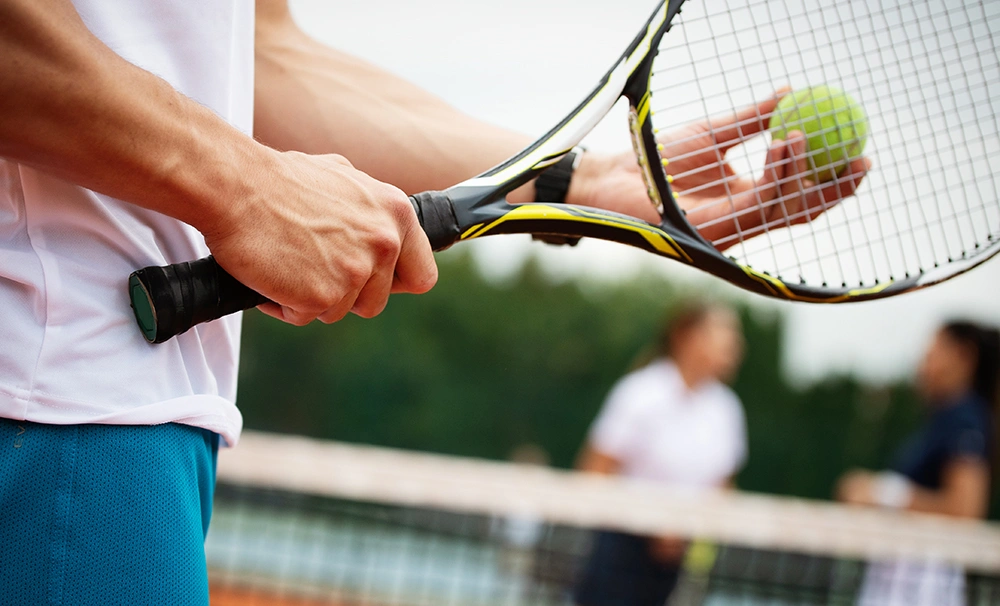
Cegah Penggunaan Berlebihan Saat Berolahraga dan Berlatih
Olahraga seperti tenis, badminton atau angkat beban yang membutuhkan menggenggam dan gerakan lengan berulang dapat meningkatkan beban ketika teknik serta waktu pemulihan kurang tepat.
Fokus pada Teknik dan Postur Tubuh yang Benar
Pola gerak yang baik dapat mengurangi tekanan berlebih di siku. Dalam olahraga raket, ukuran grip yang pas dan teknik ayunan yang tepat sangat membantu.
Gunakan Peralatan Pendukung yang Tepat
Raket yang pas, gagang ergonomis, dan grip yang nyaman membantu distribusi tenaga ke seluruh lengan, sehingga tekanan tidak menumpuk di tendon.
Sisihkan Waktu untuk Pemulihan Antara Sesi Latihan
Hari istirahat sangat penting agar tendon bisa pulih. Tanpa pemulihan yang cukup, aktivitas berulang bisa menyebabkan iritasi atau kerusakan perlahan.
Kapan Harus Konsultasi ke Dokter untuk Nyeri Siku
Rasa tidak nyaman ringan memang bisa reda dengan istirahat. Namun jika nyeri tak membaik atau malah bertambah parah, sebaiknya konsultasikan pada dokter spesialis siku—terutama jika gangguan sudah mempengaruhi aktivitas atau kekuatan genggaman Anda.
Pemeriksaan lebih dini memungkinkan diagnosis lebih akurat dan penanganan tepat waktu. Sesuai tingkat keparahan, terapi bisa berupa fisioterapi, penyangga, atau metode non-bedah lain agar pulih dan gejala tidak memburuk. Jika ada kerusakan struktural atau keluhan tak kunjung membaik, operasi siku juga dapat dipertimbangkan secara individu.
Jaga Kesehatan Siku untuk Aktivitas Jangka Panjang
Jaga Kesehatan Siku untuk Aktivitas Jangka Panjang

Tim Dokter Spesialis Kami
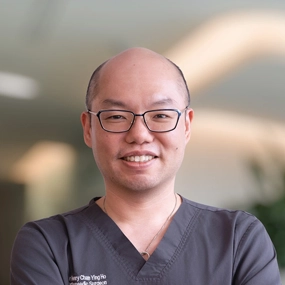
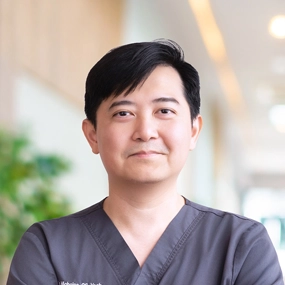
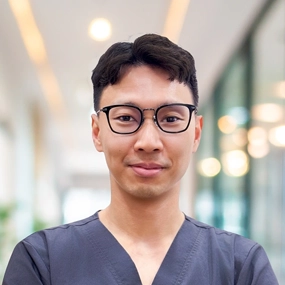
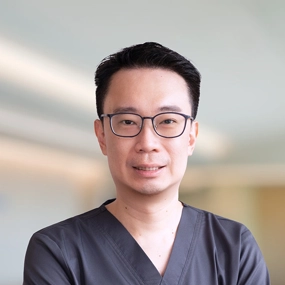
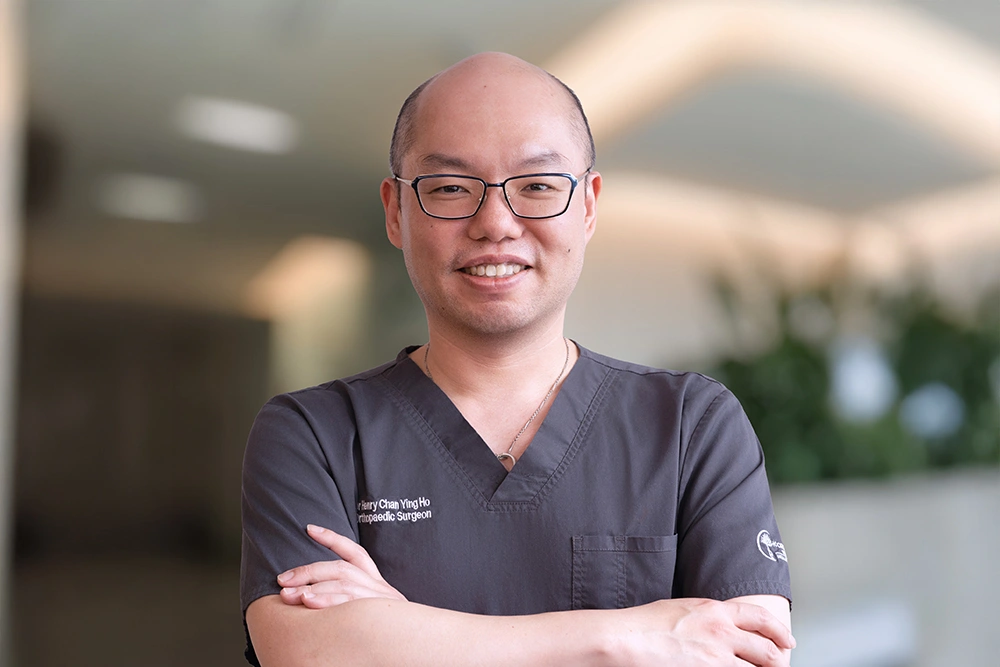
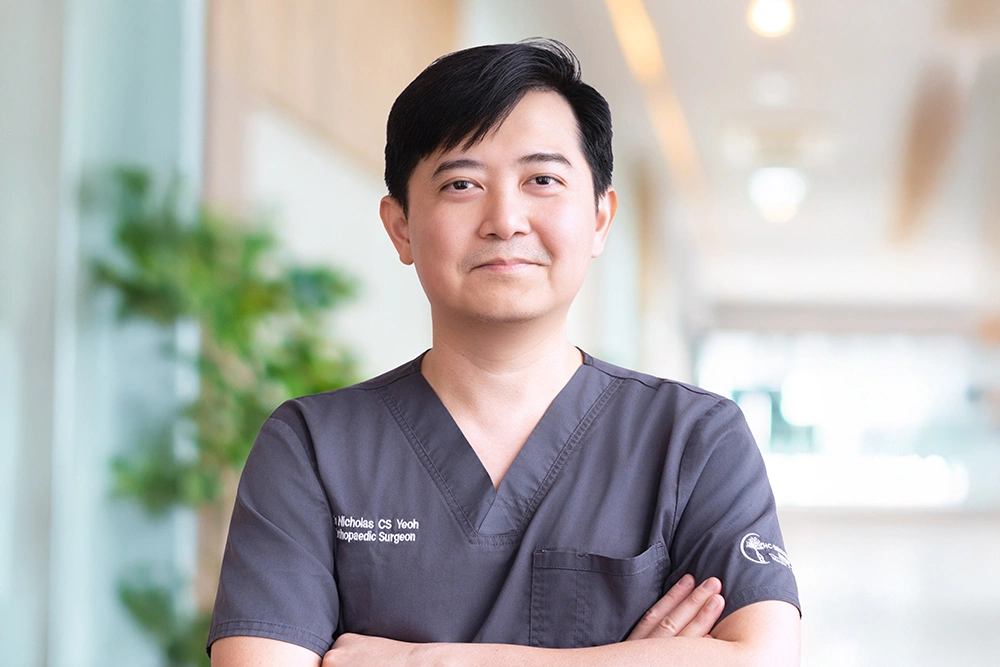
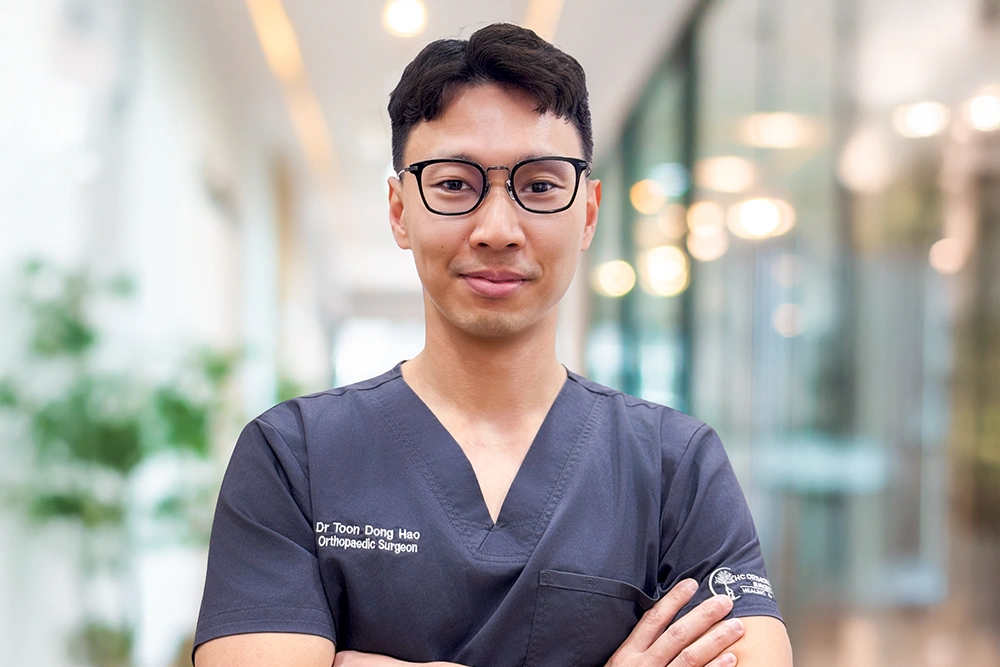
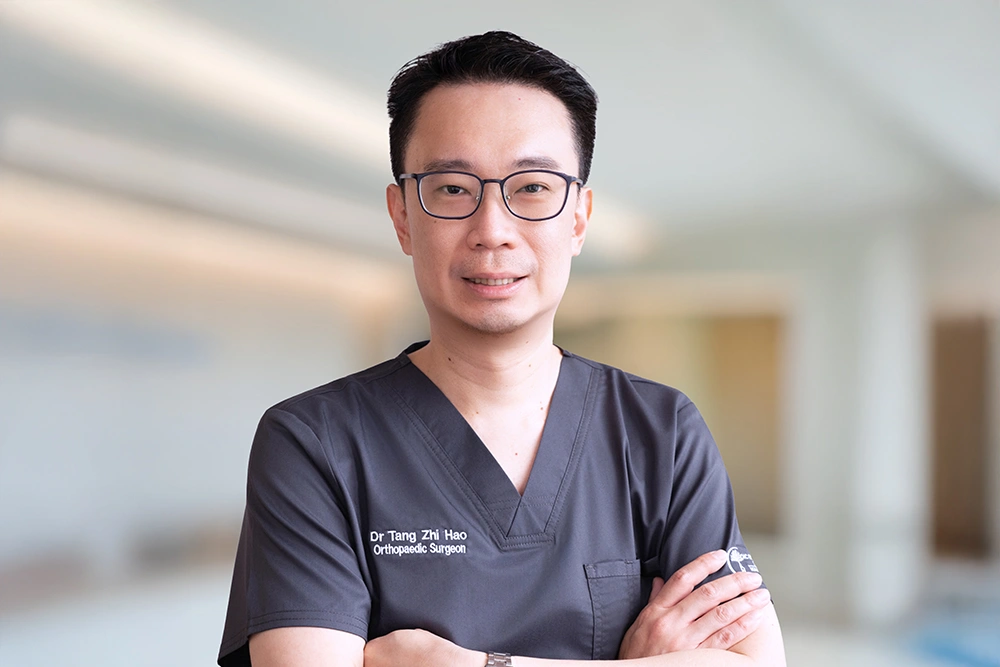
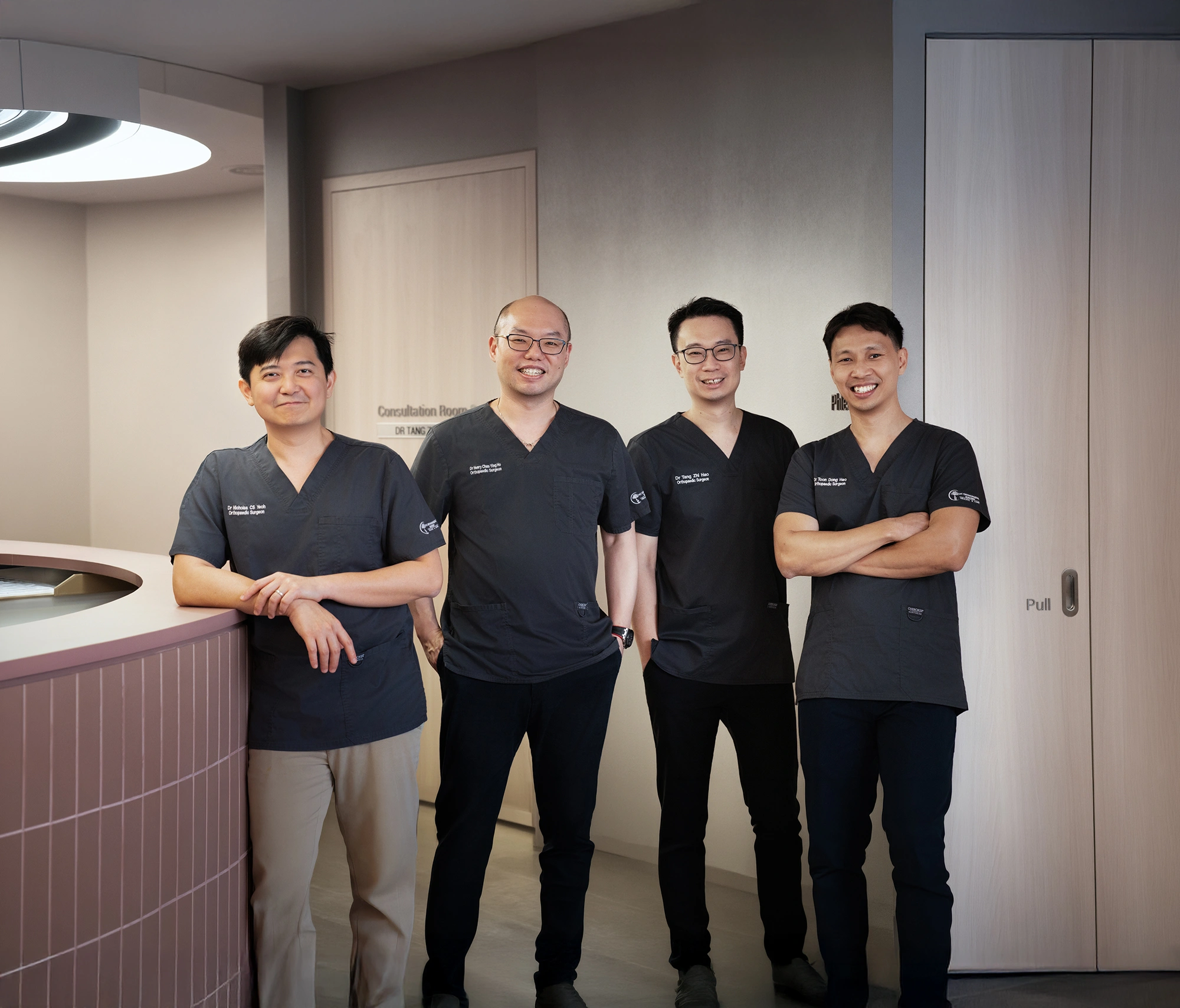
Di HC Orthopaedic Surgery, Dr Toon Dong Hao adalah spesialis siku utama. Tim kami juga dilengkapi Dr Henry Chan, Dr Nicholas Yeoh, dan Dr Tang Zhi Hao, yang berpengalaman dalam menangani cedera olahraga maupun gangguan karena pemakaian berlebihan. Mulai dari terapi konservatif hingga penanganan tingkat lanjut, kami siap membantu Anda kembali aktif dan pulih optimal. Jika nyeri siku mengganggu aktivitas sehari-hari atau olahraga Anda, hubungi kami untuk konsultasi lebih lanjut.
Temui Tim Dokter Siku Kami di Singapura
Dr Henry Chan
Direktur Medis & Konsultan Senior Bedah Ortopedi
MBBS (S’pore), MRCS (Edinburgh), MMed (Orthopaedic Surgery), FRCS (Edinburgh)
Dr Nicholas Yeoh
Konsultan Senior Bedah Ortopedi
MBChB (Edinburgh), MRCS (Edinburgh), MMed (Orthopaedic Surgery), FRCS (Edinburgh)
Dr Toon Dong Hao
Konsultan Senior Bedah Ortopedi
MBChB (Leeds), MRCS (Edinburgh), MMed (Orthopaedic Surgery), FRCS (Edinburgh)
Dr Tang Zhi Hao
Konsultan Senior Bedah Ortopedi
MBBS (S’pore), MRCS (Edinburgh), MMed (Orthopaedic Surgery), FRCS (Edinburgh)