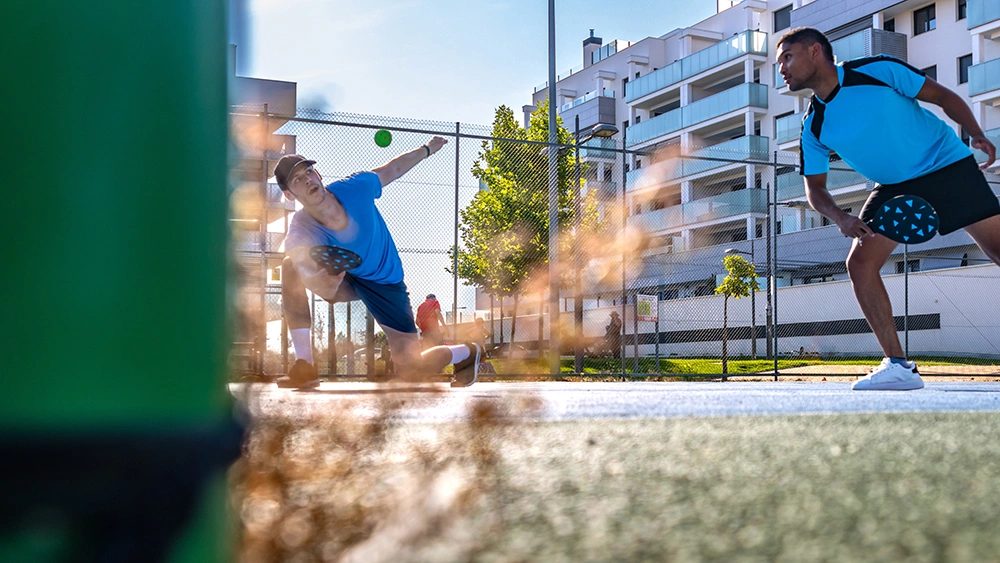
Pickleball kini dengan pesat menjadi salah satu olahraga terfavorit di Singapura, menggaet mulai dari profesional muda hingga lansia aktif untuk turun ke lapangan. Dengan makin banyak lapangan bermunculan di pusat komunitas, apartemen, dan fasilitas olahraga, olahraga ini makin menarik berkat tempo cepat dan suasana sosialnya.
Walau pickleball sering disebut sebagai olahraga dampak rendah, bukan berarti tidak ada risiko cedera. Gerakan mendadak, ayunan berulang dan perubahan arah yang cepat bisa membebani sendi, otot, dan tendon. Cedera seperti tennis elbow, pergelangan kaki terkilir, cedera bahu, dan nyeri lutut semakin sering dialami—terutama jika tidak pemanasan dulu atau buru-buru main setelah cedera.
Kabar baiknya, banyak cedera pickleball bisa dicegah. Dengan persiapan tepat, kebiasaan bermain sehat, dan strategi pemulihan yang benar, Anda bisa menekan risiko cedera, pulih lebih aman, dan terus menikmati permainan dari waktu ke waktu.
Cedera Pickleball yang Sering Terjadi
Sama seperti olahraga raket lain, pickleball bisa menyebabkan beragam cedera pada otot, sendi, dan tendon. Area tubuh yang terdampak tergantung pola gerak, tingkat kebugaran, serta frekuensi bermain. Kebanyakan cedera terjadi perlahan akibat tekanan berulang, tapi kadang muncul tiba-tiba karena rally yang intens atau salah gerak di lapangan.
Keseleo & Ketegangan Otot
Keseleo ligamen dan otot sering dialami pada pergelangan kaki, betis, hamstring dan punggung bawah—umumnya karena lunge mendadak, meregang berlebihan, atau ganti arah cepat.
Cedera Bahu
Pergerakan ayunan dan overhead berulang bisa membebani persendian bahu dan sekitar tendonnya. Pemain dapat mengalami cedera rotator cuff, radang tendon, atau impingement bahu, yang memicu nyeri, kaku, atau keterbatasan gerak.
Tennis Elbow
Pemakaian raket secara berulang bisa mengiritasi tendon di sekitar siku, sehingga memicu tennis elbow. Ciri umumnya rasa sakit pegal, lemah, atau tidak nyaman saat menggenggam/mengayun.
Cedera Lutut dan Pergelangan Kaki
Lutut dan pergelangan kaki menahan beban berat terutama saat bergerak menyamping dan berhenti mendadak. Pemain bisa kena keseleo pergelangan kaki, meniskus robek, tendinitis patella (jumper’s knee), atau tegang ligamen. Gerakan ini juga bisa memperparah artritis, menyebabkan bengkak, nyeri, dan mengurangi mobilitas.
Jatuh & Patah Tulang
Kehilangan keseimbangan atau tergelincir di lapangan bisa membuat Anda jatuh hingga berujung patah pergelangan tangan, bahu, atau pinggul. Risiko cedera parah meningkat di usia lanjut.
Cedera Achilles & Betis
Percepatan atau gerakan kaki eksplosif bisa membebani otot betis maupun tendon Achilles. Dalam kasus berat, bisa terjadi robekan mendadak saat mendesak kaki atau berputar.
Cara Mencegah Cedera Pickleball
Beberapa cedera memang bisa terjadi tak terduga, namun kebanyakan terkait kurang persiapan, teknik kurang tepat, atau tekanan berulang jangka panjang. Ambil langkah proaktif untuk menjaga tubuh agar dapat bermain lebih lama dan aman serta mengurangi risiko cedera umum.
Pemanasan Sebelum Main
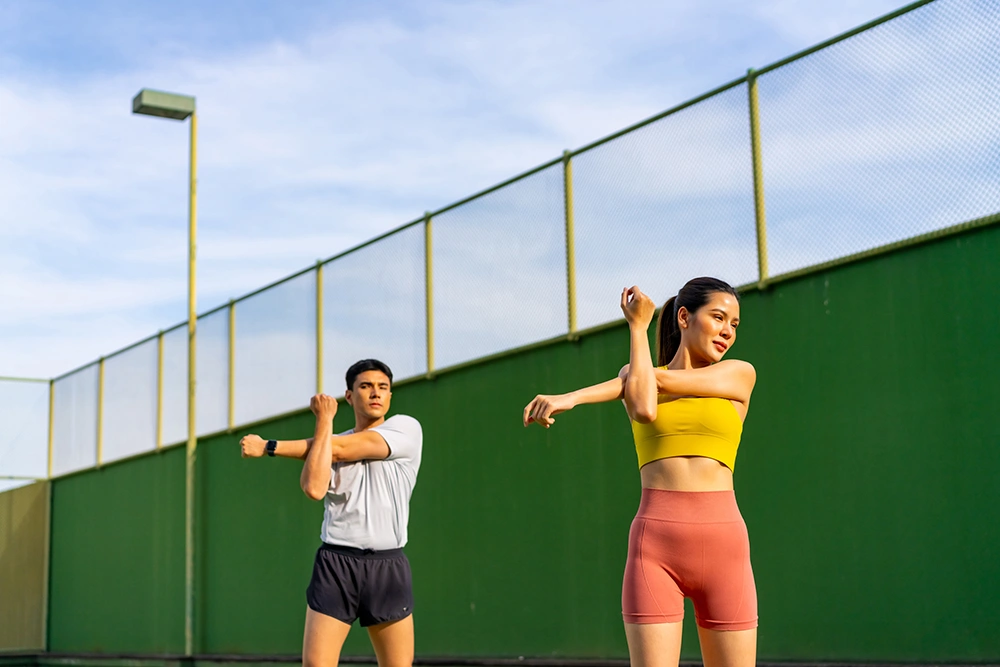
Pemanasan memperlancar sirkulasi darah ke otot dan mempersiapkan sendi jelang aktivitas berat. Lari-lari ringan, peregangan dinamis, dan drill pergerakan bantu tubuh siap merespons cepat dan berubah arah saat bermain.
Pakai Alas Kaki & Pelindung yang Tepat
Pilih sepatu lapangan yang grip-nya baik dan penyangga sisi tebal agar stabil dan mengurangi risiko terpeleset atau cedera pergelangan kaki. Jika pernah masalah sendi atau sering cedera, pelindung tambahan/penyangga kompresi bisa sangat bermanfaat.
Latihan Kekuatan, Fleksibilitas & Keseimbangan
Otot kaki, core, dan bahu yang kuat menunjang tubuh hadapi gerakan berulang dan perubahan mendadak. Latihan fleksibilitas dan keseimbangan juga melatih koordinasi, sekaligus mengurangi potensi terjatuh atau otot tegang.
Teknik Bermain yang Benar
Teknik ayunan dan footwork yang tepat mengurangi tekanan berlebihan pada siku, bahu, dan lutut. Pemula dianjurkan ikut pelatihan supaya bergerak lebih aman dan menghindari sendi tertentu kelebihan beban.
Jangan Berlebihan, Dengarkan Tubuh Anda
Bermain dalam kondisi lelah atau nyeri berkepanjangan membuat risiko cedera karena penggunaan berlebihan semakin besar. Atur hari istirahat dan waspadai tanda peringatan awal seperti pembengkakan, kaku, atau nyeri agar tidak berujung masalah serius.
Jaga Cairan Tubuh & Pulih dengan Baik
Kecukupan cairan serta pemulihan optimal mendukung fungsi otot dan mencegah cepat lelah selama bermain lama. Setelah main, lakukan pendinginan, stretching, dan istirahat cukup agar otot tidak mudah sakit dan risiko cedera turun.
Panduan Aman Pulih dari Cedera Pickleball
Meski sudah berhati-hati, cedera masih bisa terjadi saat main. Pemulihan aman lebih dari sekadar menunggu tidak sakit; perawatan medis, rehabilitasi dengan pendampingan dan pengembalian aktivitas secara bertahap diperlukan agar fungsi gerak dan kekuatan kembali serta risiko cedera ulang menurun.
Tangani Cedera Sejak Dini
Hentikan permainan kalau mulai cedera dan segera atasi keluhan supaya cedera ringan tak jadi parah. Biasanya perawatan awal meliputi istirahat, kompres es, balut kompresi, dan mengangkat area sakit agar nyeri bengkak berkurang. Jika muncul nyeri hebat, sendi tidak stabil, bengkak berat atau sulit berpijak, segera periksa ke dokter.
Bangun Kekuatan & Kelenturan Bertahap
Istirahat penting pada tahap awal, tapi terlalu lama pasif malah menyebabkan otot kaku/lemah. Fisioterapi dan latihan rehabilitasi membantu memulihkan sendi, fleksibilitas, serta membangun kekuatan pada bagian yang cedera. Rencana pemulihan sebaiknya disesuaikan jenis dan beratnya cedera.
Kembali Main Secara Aman
Terlalu cepat bermain lagi bisa memicu cedera ulang atau nyeri kronis. Mulailah aktivitas perlahan hanya setelah gejala clear dan fungsi tubuh normal. Kalau nyeri tak kunjung reda, cedera berulang, atau susah kembali berolahraga, konsultasikan dengan dokter ortopedi agar mendapatkan saran perawatan, mulai dari program rehabilitasi, tindakan suntik, hingga operasi olahraga jika perlu.
Kapan Harus Konsultasi ke Spesialis untuk Cedera Pickleball
Kapan Harus Konsultasi ke Spesialis untuk Cedera Pickleball

Tim Spesialis Kami
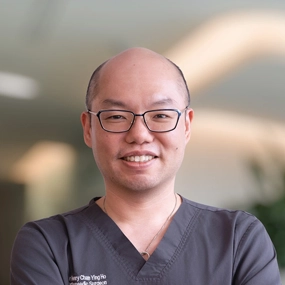
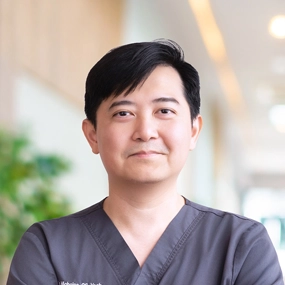
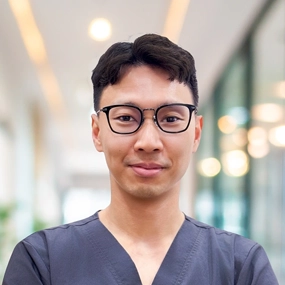
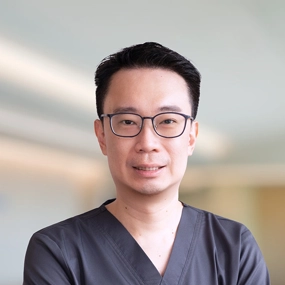
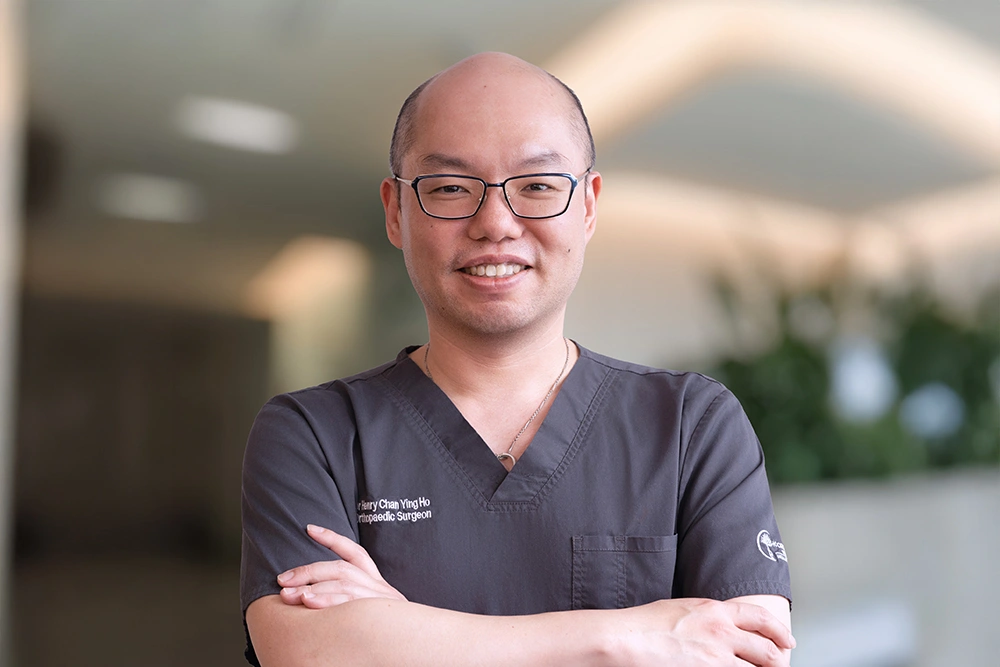
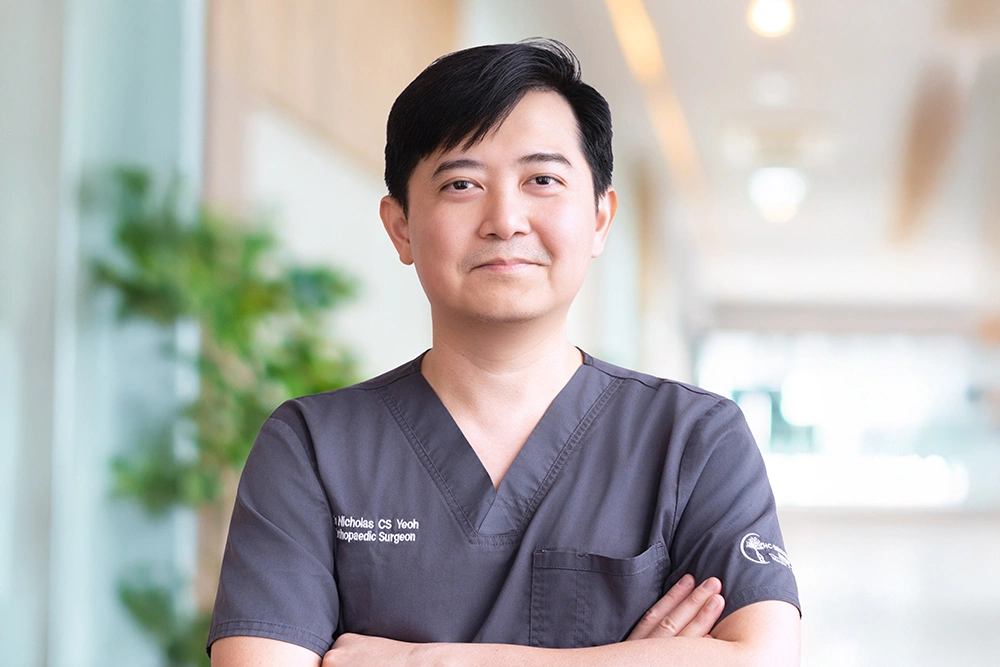
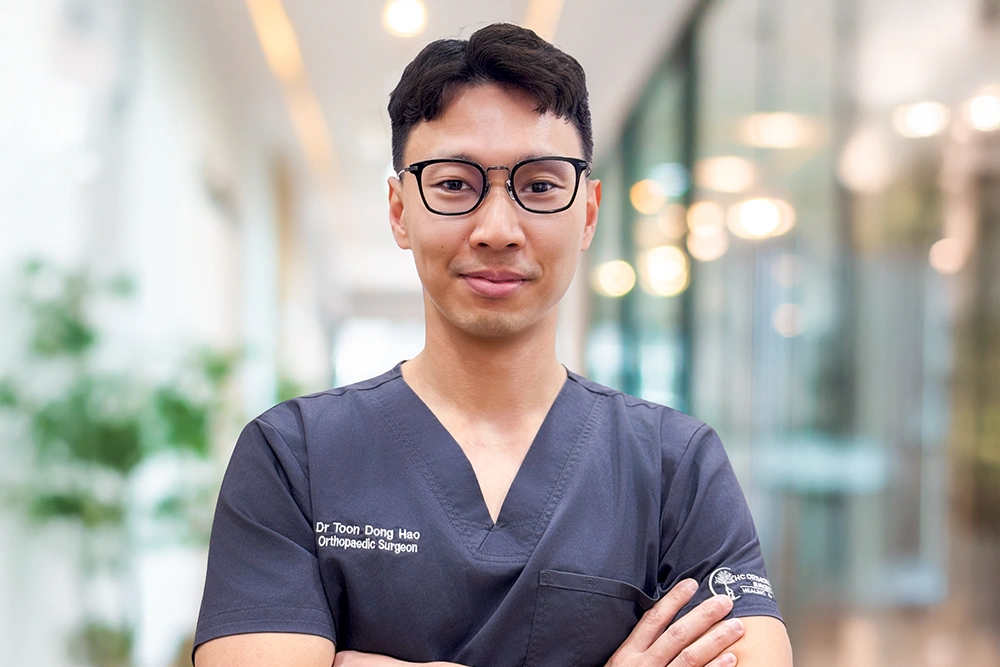
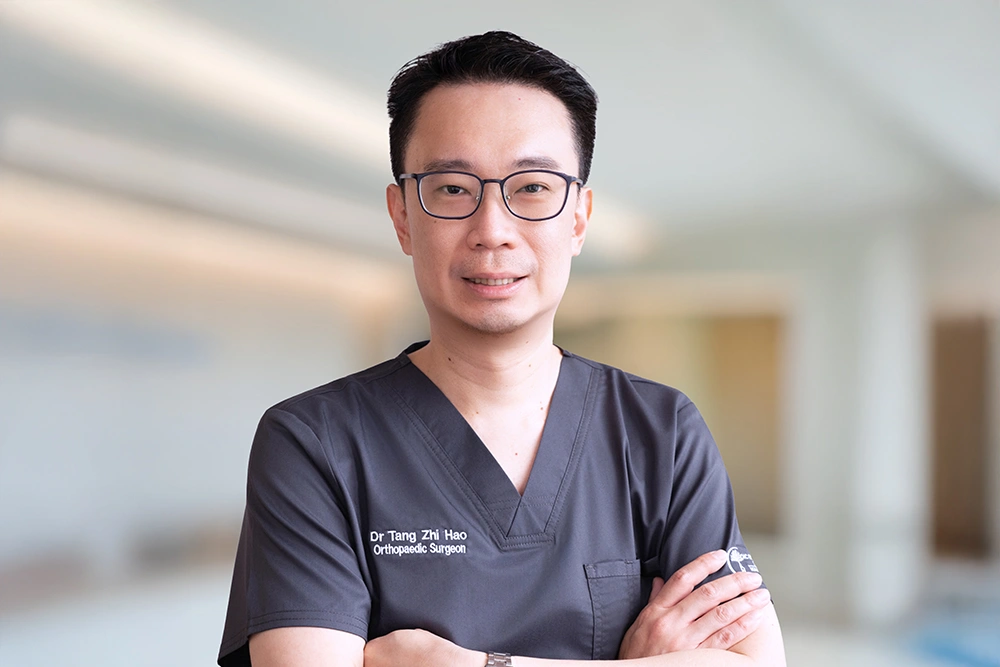
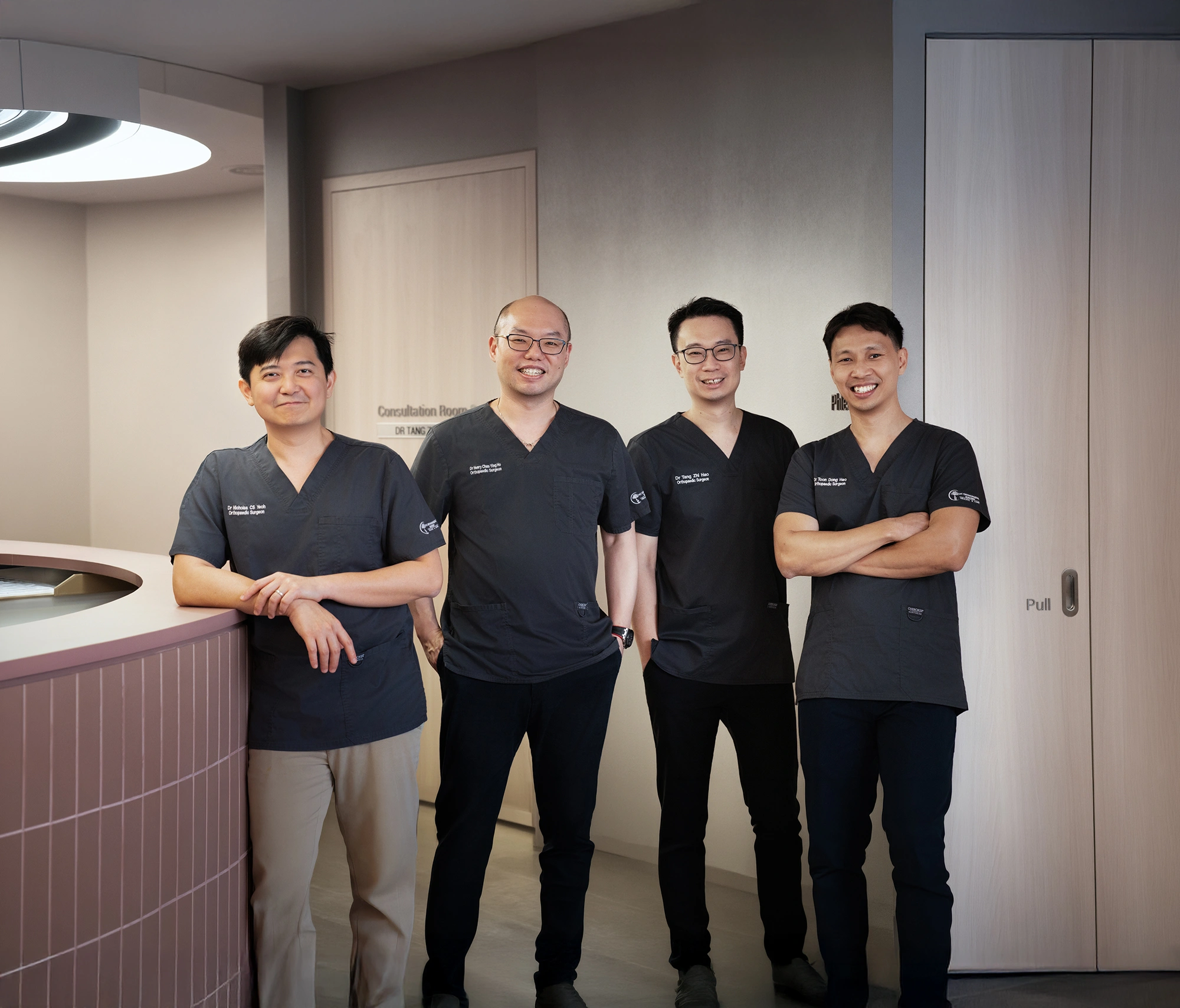
Di HC Orthopaedic Surgery, perawatan cedera olahraga ditangani oleh Dr Henry Chan, Dr Nicholas Yeoh, Dr Toon Dong Hao dan Dr Tang Zhi Hao. Tim ini menangani beragam masalah cedera olahraga, mulai dari cedera ligamen, masalah tendon, nyeri sendi hingga cedera akibat penggunaan berlebihan, dengan rencana pengobatan yang disesuaikan dengan tingkat aktivitas dan target pemulihan masing-masing pasien. Mulai dari terapi non-operasi sampai pembedahan canggih jika diperlukan, layanan kami berfokus pada pemulihan yang aman dan mobilitas jangka panjang. Jika gejala Anda tak kunjung membaik atau mengganggu aktivitas sehari-hari, jadwalkan konsultasi dengan spesialis untuk pemeriksaan menyeluruh dan rencana penanganan yang dipersonalisasi.
Pertanyaan Umum (FAQ) Tentang Cedera Pickleball
Apakah pickleball aman untuk lansia?
Berapa lama pemulihan cedera pickleball?
Tanda cedera pickleball yang perlu ditangani dokter?
Kenali Dokter Spesialis Cedera Olahraga Kami di Singapura
Dr Henry Chan
Direktur Medis & Konsultan Senior Bedah Ortopedi
MBBS (S’pore), MRCS (Edinburgh), MMed (Orthopaedic Surgery), FRCS (Edinburgh)
Dr Henry Chan adalah ahli bedah ortopedi berpengalaman yang berspesialisasi dalam penggantian sendi dan operasi revisi kompleks. Terlatih di Helios Endo-Klinik yang terkenal di Jerman di bawah beasiswa MOH HMDP, ia telah melakukan lebih dari 1,000 penggantian sendi dan berspesialisasi dalam teknik penggantian sendi berbantuan komputer dan robotik untuk hasil yang presisi.
Dr Nicholas Yeoh
Konsultan Senior Bedah Ortopedi
MBChB (Edinburgh), MRCS (Edinburgh), MMed (Orthopaedic Surgery), FRCS (Edinburgh)
Dr Nicholas Yeoh adalah spesialis ortopedi yang diakreditasi MOH dan Fellow dari Royal College of Surgeons of Edinburgh. Terlatih fellowship dalam rekonstruksi pinggul dan lutut di Sydney di bawah beasiswa MOH HMDP, ia berspesialisasi dalam penggantian sendi minim invasif, operasi robotik, dan teknik lanjutan yang meningkatkan pemulihan serta hasil operasi.
Dr Toon Dong Hao
Konsultan Senior Bedah Ortopedi
MBChB (Leeds), MRCS (Edinburgh), MMed (Orthopaedic Surgery), FRCS (Edinburgh)
Dr Toon Dong Hao adalah ahli bedah ortopedi yang terampil dan Fellow dari Royal College of Surgeons of Edinburgh. Terlatih fellowship dalam Bedah Bahu dan Siku Lanjutan di Sydney di bawah beasiswa MOH HMDP, Dr Toon berspesialisasi dalam cedera olahraga, operasi arthroscopic dan prosedur kompleks pada bahu, siku dan lutut untuk mengembalikan fungsi dan mobilitas.
Dr Tang Zhi Hao
Konsultan Senior Bedah Ortopedi
MBBS (S’pore), MRCS (Edinburgh), MMed (Orthopaedic Surgery), FRCS (Edinburgh)
Dr Tang Zhi Hao adalah ahli bedah ortopedi yang terlatih fellowship dan berspesialisasi dalam kondisi kaki dan pergelangan. Ia menyelesaikan fellowship Bedah Kaki dan Pergelangan di Severance Hospital, Yonsei University Health System di Seoul di bawah Prof. Jin Woo Lee. Sebelum praktik swasta, ia menjabat sebagai Konsultan dan Wakil Kepala Bedah Ortopedi di Khoo Teck Puat Hospital.