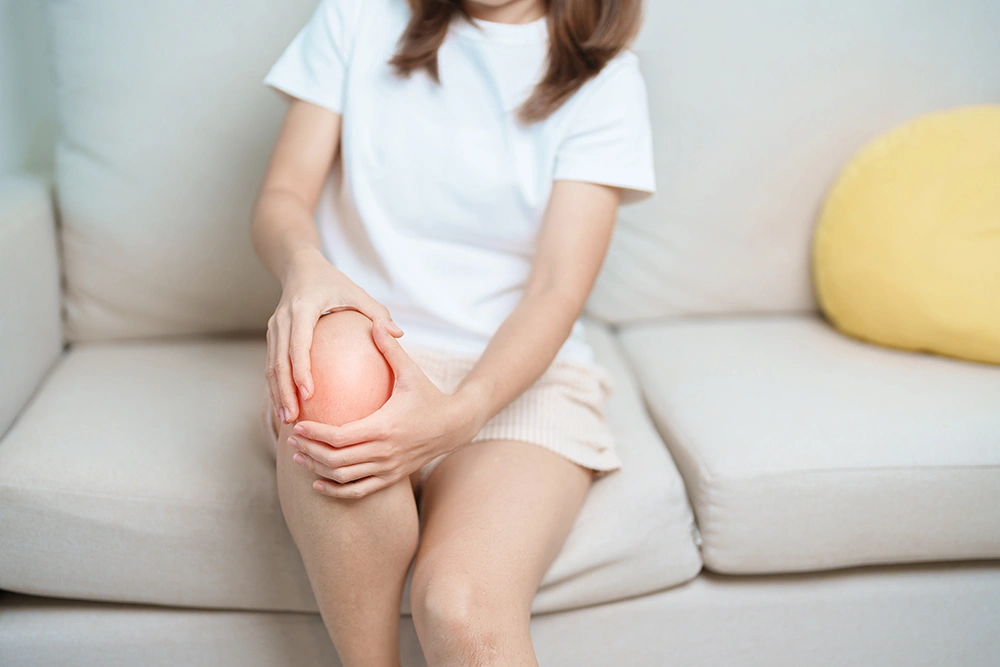
Osteoartritis lutut dapat membuat aktivitas harian Anda jadi lebih sulit, mulai dari naik turun tangga, berjalan jauh, hingga berdiri lama setelah duduk. Meski kondisi ini umum, Anda tidak harus menyerah pada gaya hidup aktif atau menerima ketidaknyamanan yang terus-menerus. Dengan cara yang tepat, banyak orang mampu mengelola gejalanya dan tetap menikmati kegiatan yang mereka sukai. Mengetahui strategi praktis untuk osteoartritis lutut bisa membantu Anda tetap bergerak aktif dan percaya diri dalam rutinitas sehari-hari.
Memahami Osteoartritis Lutut dan Penyebabnya
Osteoartritis lutut terjadi ketika tulang rawan pelindung di dalam sendi menipis seiring waktu. Bantalan yang berkurang menyebabkan gesekan lebih saat bergerak, sehingga menimbulkan peradangan, tidak nyaman, dan kaku.
Menua memang berperan, tapi bukan satu-satunya penyebab. Riwayat cedera, berat badan berlebih, keturunan, hingga tekanan berulang pada lutut juga menambah risiko. Ada yang gejalanya berkembang perlahan bertahun-tahun, sebagian lain berubah lebih cepat.
Mengenali Ciri Awal Osteoartritis Lutut
Tanda osteoartritis lutut sering dimulai secara halus dan muncul-tenggelam di awal. Mengenali sejak dini dapat membantu penanganan yang lebih tepat waktu.
Nyeri Saat Beraktivitas
Gejala awalnya bisa berupa rasa tidak nyaman setiap lutut digunakan lebih banyak — saat berjalan jauh, naik tangga, berlutut, atau berdiri lama. Umumnya nyeri hilang bila beristirahat, walau kembali saat beraktivitas lagi.
Kaku Setelah Duduk atau Istirahat
Beberapa orang merasa lutut mereka kaku atau sulit digerakkan saat baru bangun atau setelah lama duduk. Kekakuan ini biasanya membaik saat sendi mulai bergerak, tapi makin terasa jika kondisinya berkembang.
Bengkak atau Nyeri di Sekitar Lutut
Peradangan pada sendi bisa menyebabkan area lutut membengkak, terasa hangat, atau sensitif. Biasanya makin terlihat setelah hari yang sibuk atau banyak bergerak.
Bunyi Berderit dan Gerakan Terbatas
Saat tulang rawan menipis, gerakan tak lagi sehalus dulu. Ada yang merasakan bunyi klik atau derit, sebagian lain kesulitan menekuk atau meluruskan lutut sepenuhnya.
Tetap Aktif dengan Olahraga yang Tepat
Meski terasa berat saat lutut sakit, rutin berolahraga tetap cara efektif mengatasi gejala. Memilih aktivitas yang pas membantu memperkuat otot lutut, menjaga fleksibilitas, dan membuat Anda lebih percaya diri saat bergerak.
Olahraga Ringan yang Menjaga Mobilitas
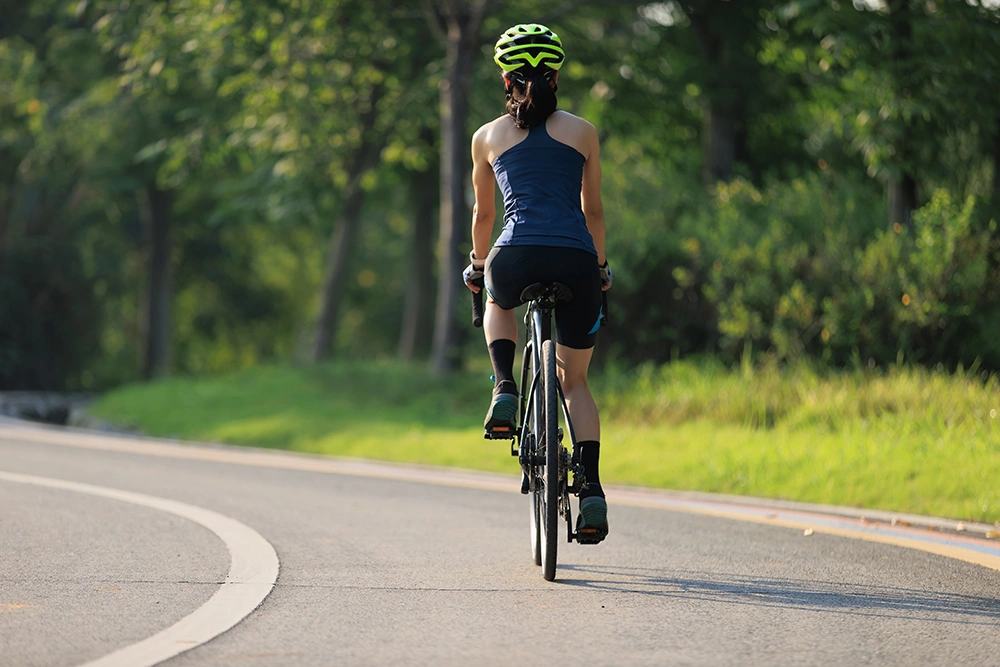
Jalan santai di permukaan datar, bersepeda, berenang, atau aerobik air umumnya lebih ramah untuk lutut. Semua itu menjaga agar sendi tetap aktif tanpa tekanan berlebihan seperti pada olahraga berat.
Latihan Penguatan Otot
Menguatkan otot paha (depan & belakang) serta pinggul sangat berpengaruh dalam mendukung lutut. Dengan otot sekitar yang kuat, tekanan pada lutut saat beraktivitas bisa berkurang.
Peregangan dan Latihan Keseimbangan
Peregangan ringan bisa mengurangi rasa kaku. Latihan keseimbangan membantu koordinasi dan stabilitas, sehingga gerakan jadi lebih lancar dan risiko jatuh bisa ditekan.
Kebiasaan Harian untuk Mengurangi Beban Lutut
Selain olahraga, perubahan kecil dalam kebiasaan sehari-hari juga membantu. Penyesuaian kecil yang dilakukan konsisten dapat mengurangi nyeri lutut dan meningkatkan keluwesan Anda pelan-pelan.
Kendalikan Berat Badan untuk Kurangi Tekanan Sendi
Menjaga berat badan ideal—bila perlu—membantu mengurangi beban di lutut setiap langkah. Sekecil apa pun perubahan bisa sangat berarti bagi gejala Anda.
Pilih Sepatu yang Nyaman dan Mendukung
Sepatu dengan bantalan dan penyangga yang baik membuat Anda lebih nyaman berjalan atau berdiri. Sepatu yang tepat juga mendistribusikan tekanan lebih merata ke seluruh tungkai.
Atur Pola Aktivitas Sehari-hari
Mengombinasikan aktivitas dengan waktu istirahat singkat bisa mencegah sendi kelelahan. Ini sangat berguna selama hari-hari sibuk, terutama jika Anda harus banyak berjalan atau berdiri.
Pilihan Perawatan Agar Anda Tetap Aktif Bergerak
Perawatan osteoartritis lutut disesuaikan dengan tingkat gejala, tujuan hidup, dan seberapa besar kondisinya memengaruhi rutinitas Anda. Banyak orang membaik dengan pendekatan konservatif, sementara sebagian butuh solusi lanjutan sesuai penilaian dokter spesialis lutut.
Penanganan Tanpa Operasi untuk Gejala Ringan-Sedang
Fisioterapi, pengobatan, penyangga, dan latihan khusus umumnya digunakan untuk mengurangi rasa sakit dan memperbaiki fungsi lutut. Cara-cara ini terbukti efektif untuk banyak orang.
Terapi Suntikan untuk Kondisi Tertentu
Jika gejala masih mengganggu walau sudah diterapi, dokter dapat mempertimbangkan suntikan guna mengurangi peradangan atau memberi pereda nyeri sementara.
Opsi Operasi Jika Gejala Semakin Berat
Bila nyeri tak kunjung membaik dan aktivitas makin terbatas, operasi dapat dibahas dengan dokter. Pilihan bisa meliputi prosedur minimal invasif, penggantian lutut sebagian, atau penggantian lutut total.
Tetap Aktif untuk Jangka Panjang
Tetap Aktif untuk Jangka Panjang

Tim Spesialis Kami
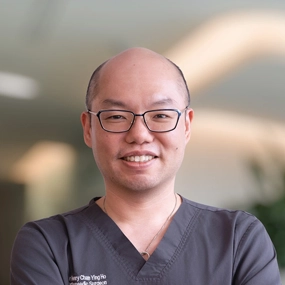
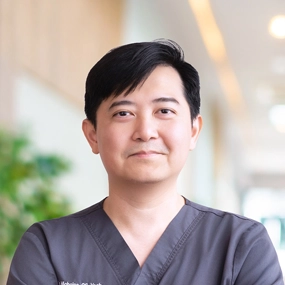
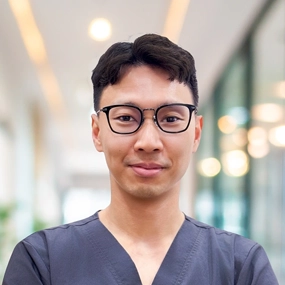
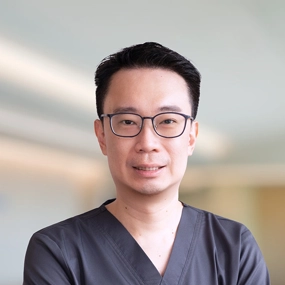
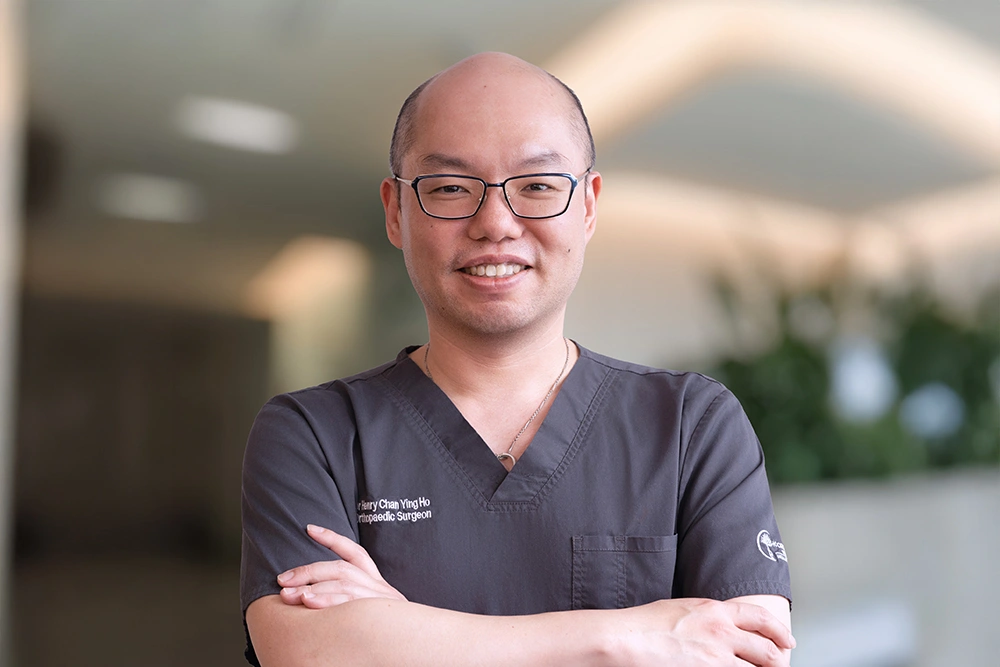
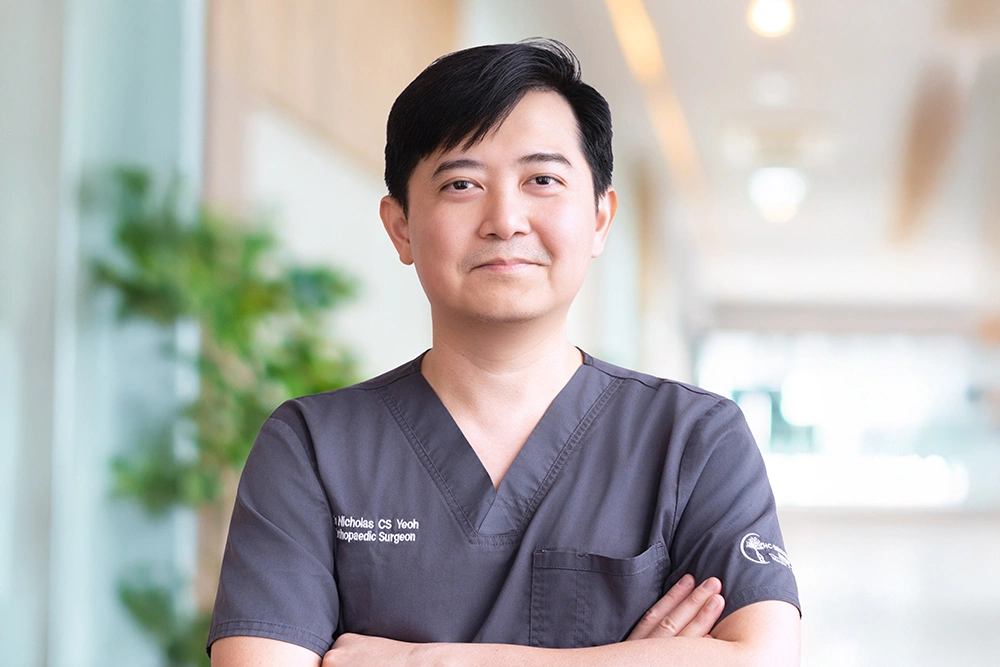
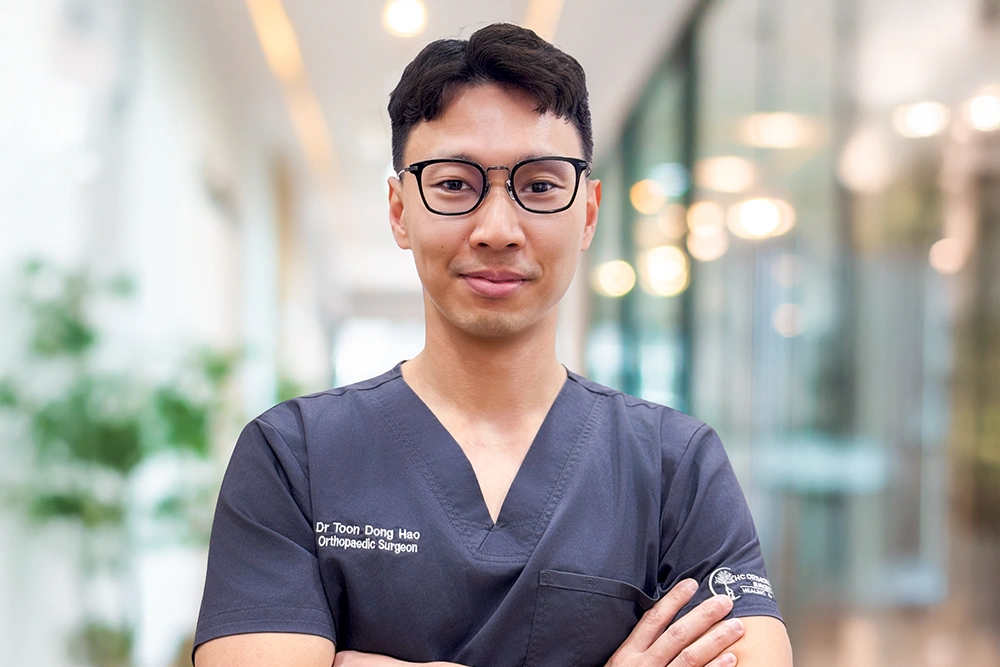
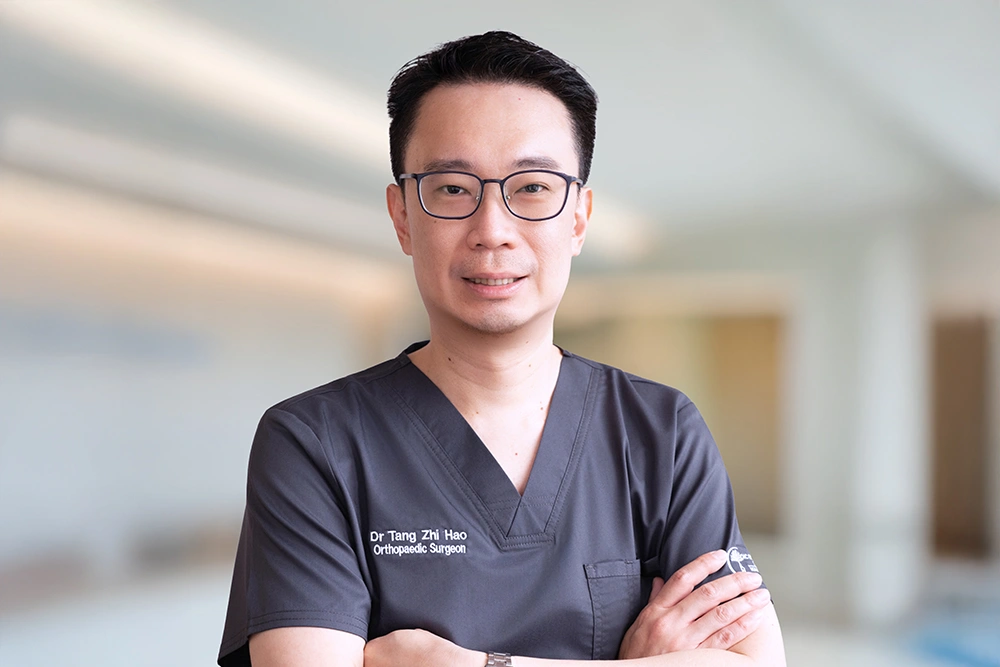
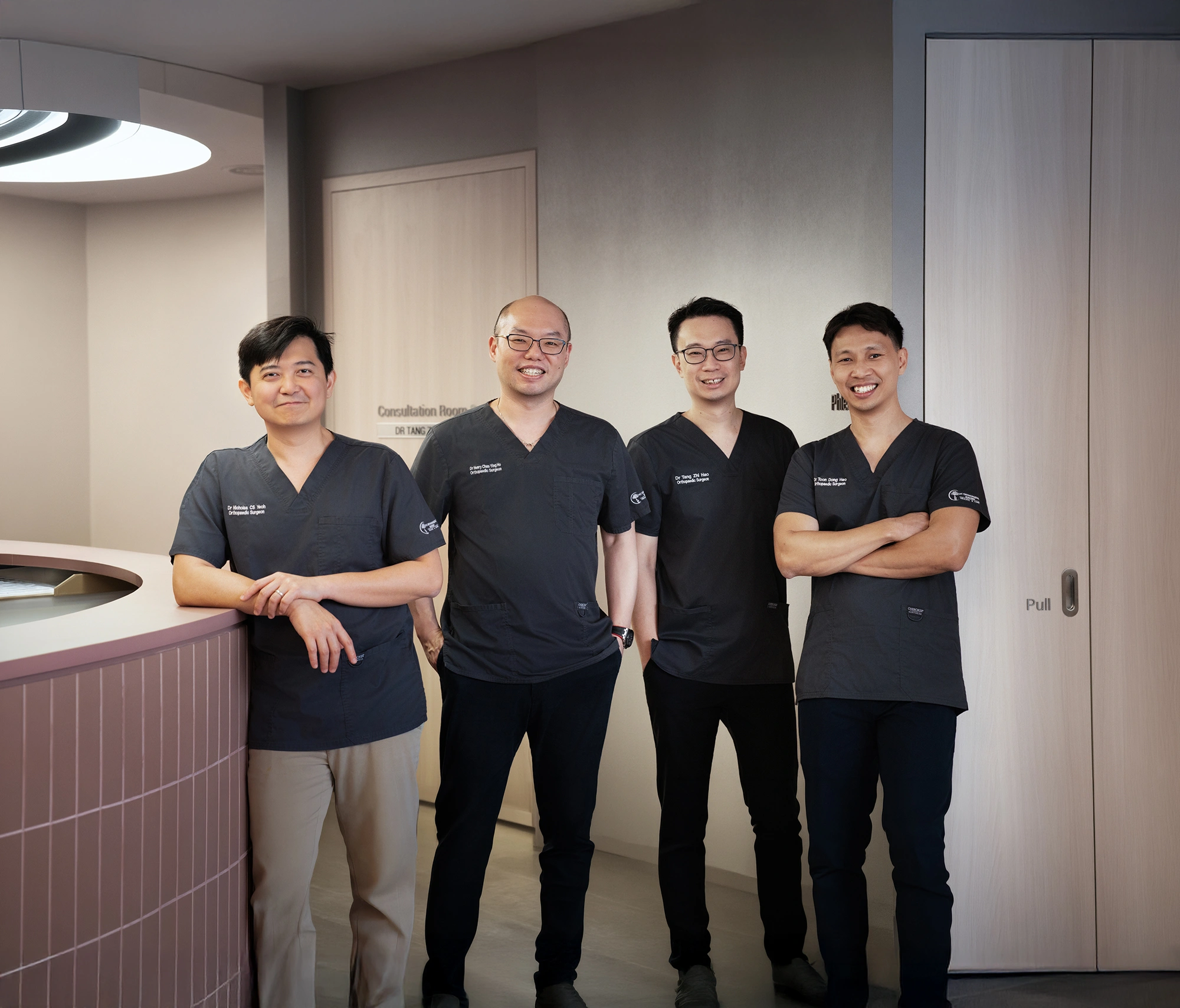
Di HC Orthopaedic Surgery, layanan lutut tersedia dari Dr Henry Chan dan Dr Nicholas Yeoh; Dr Toon Dong Hao dan Dr Tang Zhi Hao turut memperkuat keahlian ortopedi kami. Tim kami menangani berbagai masalah lutut, mulai cedera olahraga hingga gangguan sendi degeneratif, dengan terapi yang disesuaikan bagi pemulihan dan kesehatan sendi jangka panjang. Jika nyeri lutut Anda tak kunjung membaik atau mengganggu aktivitas harian, buatlah janji konsultasi spesialis untuk penilaian lengkap dan rencana terapi yang personal.
Temui Spesialis Lutut Kami di Singapura
Dr Henry Chan
Direktur Medis & Konsultan Senior Bedah Ortopedi
MBBS (S’pore), MRCS (Edinburgh), MMed (Orthopaedic Surgery), FRCS (Edinburgh)
Dr Henry Chan adalah ahli bedah ortopedi berpengalaman yang berspesialisasi dalam penggantian sendi dan operasi revisi kompleks. Terlatih di Helios Endo-Klinik yang terkenal di Jerman di bawah beasiswa MOH HMDP, ia telah melakukan lebih dari 1,000 penggantian sendi dan berspesialisasi dalam teknik penggantian sendi berbantuan komputer dan robotik untuk hasil yang presisi.
Dr Nicholas Yeoh
Konsultan Senior Bedah Ortopedi
MBChB (Edinburgh), MRCS (Edinburgh), MMed (Orthopaedic Surgery), FRCS (Edinburgh)
Dr Nicholas Yeoh adalah spesialis ortopedi yang diakreditasi MOH dan Fellow dari Royal College of Surgeons of Edinburgh. Terlatih fellowship dalam rekonstruksi pinggul dan lutut di Sydney di bawah beasiswa MOH HMDP, ia berspesialisasi dalam penggantian sendi minim invasif, operasi robotik, dan teknik lanjutan yang meningkatkan pemulihan serta hasil operasi.
Dr Toon Dong Hao
Konsultan Senior Bedah Ortopedi
MBChB (Leeds), MRCS (Edinburgh), MMed (Orthopaedic Surgery), FRCS (Edinburgh)
Dr Toon Dong Hao adalah ahli bedah ortopedi yang terampil dan Fellow dari Royal College of Surgeons of Edinburgh. Terlatih fellowship dalam Bedah Bahu dan Siku Lanjutan di Sydney di bawah beasiswa MOH HMDP, Dr Toon berspesialisasi dalam cedera olahraga, operasi arthroscopic dan prosedur kompleks pada bahu, siku dan lutut untuk mengembalikan fungsi dan mobilitas.
Dr Tang Zhi Hao
Konsultan Senior Bedah Ortopedi
MBBS (S’pore), MRCS (Edinburgh), MMed (Orthopaedic Surgery), FRCS (Edinburgh)
Dr Tang Zhi Hao adalah ahli bedah ortopedi yang terlatih fellowship dan berspesialisasi dalam kondisi kaki dan pergelangan. Ia menyelesaikan fellowship Bedah Kaki dan Pergelangan di Severance Hospital, Yonsei University Health System di Seoul di bawah Prof. Jin Woo Lee. Sebelum praktik swasta, ia menjabat sebagai Konsultan dan Wakil Kepala Bedah Ortopedi di Khoo Teck Puat Hospital.