Elbow Fractures in Children:
Signs, Symptoms and Treatment

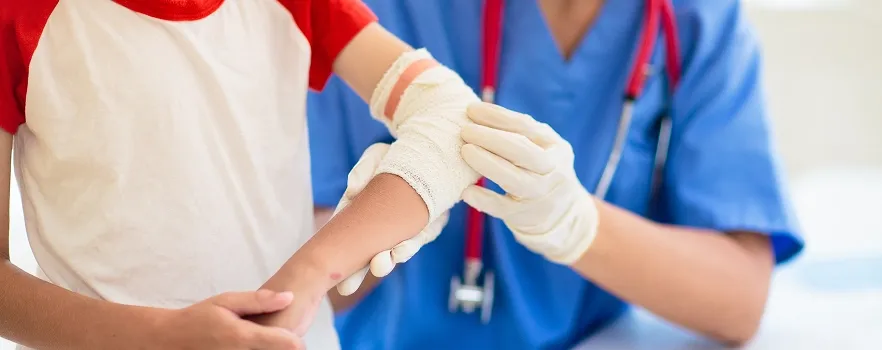
Falls are a normal part of childhood, whether during playground activities, sports or everyday play. From climbing playground structures to taking part in school sports, children are constantly exploring their limits. While most falls result in minor bumps or bruises, some can lead to more serious injuries, including fractures around the elbow.
An elbow fracture occurs when one or more of the bones that form the elbow joint, namely the humerus, radius or ulna, breaks. In children, these injuries require particular attention because the elbow contains growth plates, which are areas of developing cartilage that guide bone growth. Injury to a growth plate can affect long-term arm development and function, making timely assessment and appropriate treatment important.
What Are the Signs & Symptoms of Elbow Fractures in Children?
While symptoms can vary depending on the severity and type of fracture, there are several common indicators parents should look out for:
- Pain around the elbow
that worsens with movement or when the arm is touched
- Deformity
or an unusual angle of the elbow in more severe cases
- Swelling
around the elbow joint
- Tenderness
when pressing around the joint
- Bruising or redness
over the injured area
- Numbness, tingling or weakness
in the hand or fingers, which may suggest nerve involvement
- Limited movement
or refusal to bend or straighten the arm
Younger children may not always describe pain clearly. Instead, they may cry when the arm is moved, avoid using the injured limb or hold it protectively against their body.
If your child has fallen onto an outstretched hand, landed directly on the elbow or sustained a sports injury and develops these symptoms, medical assessment is important. Early evaluation helps confirm whether a fracture is present and ensures appropriate treatment to prevent long-term complications.
Why It Happens
Common Causes of Elbow Fractures in Children
Why It Happens
Common Causes of Elbow Fractures in Children
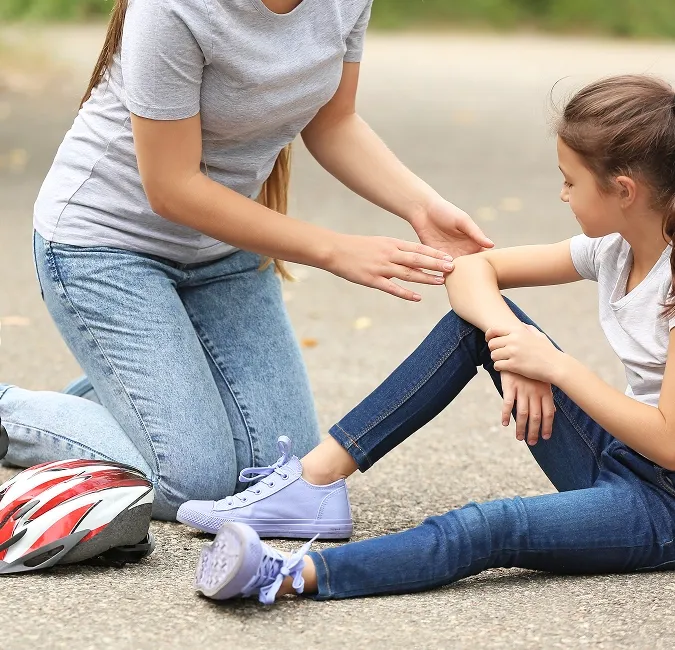
Elbow fractures in children are often linked to everyday activities. While it is not possible to prevent every fall, being aware of common risk situations can help parents take practical precautions. Children naturally extend their arms to break a fall, which places significant force through the elbow joint. Higher-risk situations include:
- Falls from playground equipment such as monkey bars, climbing frames or slides
- Bicycle, scooter or skateboard accidents, especially without protective gear
- Contact sports or rough play
- Trampoline use, particularly when multiple children are jumping together
- Slips on wet surfaces or uneven ground
Younger children, especially between five and ten years old, are more prone to certain elbow fractures because their bones are still developing.
Supervision, safe play environments and appropriate protective equipment reduce risk, but injuries can still occur. If a fall is followed by swelling, persistent pain or reluctance to move the arm, it is important to seek medical assessment promptly.
Understanding the Differences
Types of Elbow Fractures in Children
Elbow fractures in children differ depending on which part of the bone is affected and whether the fracture involves the growth plate.
Supracondylar Fractures
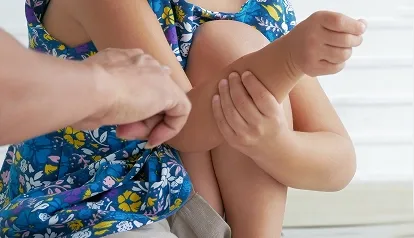
These occur just above the elbow joint in the lower part of the humerus. They are the most common type of elbow fracture in children and usually result from a fall onto an outstretched hand. In more severe cases, nearby nerves or blood vessels may be affected, requiring urgent assessment.
Lateral Condyle Fractures
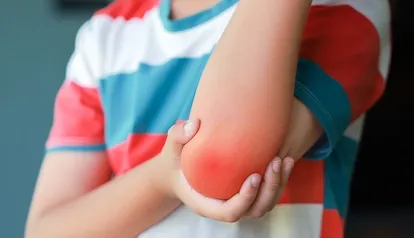
These involve the outer part of the elbow and may extend into the joint surface. They are commonly caused by falls or direct impact. Proper alignment is important, as untreated displacement can affect joint movement and long-term elbow function.
Medial Condyle Fractures
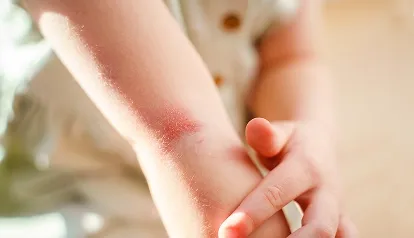
These occur on the inner side of the elbow and may involve the growth plate. Prompt diagnosis and appropriate treatment are essential to reduce the risk of joint stiffness or growth-related complications.
Understanding Your Evaluation
How Are Paediatric Elbow Fractures Diagnosed?
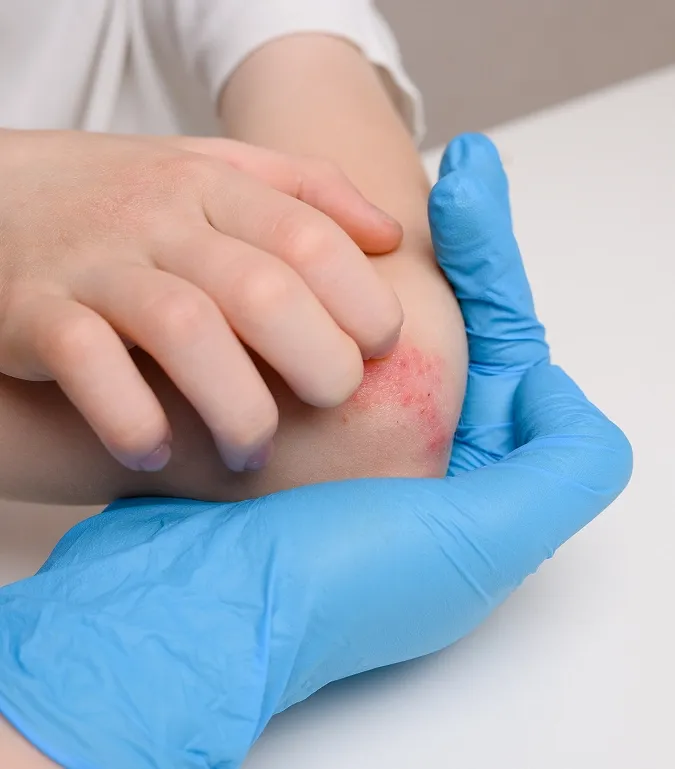
To diagnose an elbow fracture in children, the orthopaedic specialist first gathers information about how the injury occurred and how it has affected arm movement. This initial discussion provides important clues about the severity and type of injury.
Understanding Your Evaluation
How Are Paediatric Elbow Fractures Diagnosed?
To diagnose an elbow fracture in children, the orthopaedic specialist first gathers information about how the injury occurred and how it has affected arm movement. This initial discussion provides important clues about the severity and type of injury.
Diagnosis then follows a structured assessment process.
-
Step 1: Physical Examination
The elbow is carefully examined for swelling, bruising, tenderness, deformity and restricted movement. The wrist and hand are also assessed to ensure circulation, sensation and nerve function are intact, as certain fractures may affect nearby nerves or blood vessels.
-
Step 2: X-rays
X-rays are the primary imaging test used to confirm a fracture. They help determine the exact location, fracture pattern and degree of displacement. In children, special attention is paid to the growth plates, which are more vulnerable to injury.
-
Step 3: Additional Imaging, If Needed
If the fracture is complex, involves the joint surface or is not clearly visible on standard X-rays, further imaging such as CT or MRI may be recommended to guide treatment planning.
Exploring Treatment Options
Elbow Fracture Treatments for Children in Singapore
At HC Orthopaedic Surgery, you will receive timely and individualised treatment, depending on the type of fracture, its severity and whether the bones remain properly aligned. The goal is to ensure proper healing while protecting the growth plate and preserving long-term elbow function.

Conservative Treatment
- Splint or Cast Immobilisation
Backslab or full cast immobilisation is suitable for simple, non-displaced fractures with stable alignment and no vascular compromise. Immobilisation typically lasts three to six weeks, depending on healing progress.
- Follow-Up X-Rays
Repeat imaging may be required to monitor bone healing and ensure alignment remains satisfactory during recovery.
- Physiotherapy
Once adequate healing is confirmed, guided rehabilitation helps restore strength, flexibility and range of motion, reducing the risk of long-term stiffness.

Elbow Surgery
- Manipulation and Percutaneous Pinning
For moderately displaced fractures, bones can be realigned and stabilised using temporary pins inserted through the skin.
- Open Reduction and Internal Fixation (ORIF)
In more severe cases, an open procedure may be necessary to restore alignment using pins, screws or plates. This is often required for intra-articular fractures, significant displacement or compromised blood supply.
- Fragment Excision
Small bone fragments may be removed if reconstruction is not feasible and joint function would otherwise be impaired.
- Elbow Arthroplasty
Joint replacement is extremely rare in children and is reserved only for exceptional cases involving extensive joint destruction.
Possible Complications of Elbow Fractures in Children
If an elbow fracture is not properly evaluated and managed, the risk of long-term complications increases. Because children’s bones are still developing, untreated injuries can affect both joint function and future growth.
Persistent Deformity
Bones that heal in the wrong position may lead to visible angulation or an abnormal carrying angle of the arm.
Chronic Pain or Instability
Improper healing can result in ongoing discomfort or weakness, especially during sports or weight-bearing activities.
Reduced Range of Motion
Without proper alignment and rehabilitation, stiffness can become permanent, limiting the ability to fully bend or straighten the elbow.
Neurovascular Complications
In more severe fractures, untreated nerve or blood vessel injury can lead to lasting weakness, numbness or circulatory issues.
Growth Disturbance
Fractures involving the growth plate may interfere with normal bone development, potentially causing uneven growth or long-term joint problems.
Receive Specialised Care for Your Child’s Elbow Fracture
When your child injures their elbow, it is completely understandable to feel anxious and unsure about the next step. You may be wondering whether it is just a minor knock or something more serious. Because children’s bones are still growing, elbow injuries need careful evaluation to ensure proper healing and to protect long-term arm function. With prompt assessment and appropriate treatment, most paediatric elbow fractures recover well, allowing your child to return safely to school, sports and everyday play.
Receive Specialised Care for Your Child’s Elbow Fracture
When your child injures their elbow, it is completely understandable to feel anxious and unsure about the next step. You may be wondering whether it is just a minor knock or something more serious. Because children’s bones are still growing, elbow injuries need careful evaluation to ensure proper healing and to protect long-term arm function. With prompt assessment and appropriate treatment, most paediatric elbow fractures recover well, allowing your child to return safely to school, sports and everyday play.

Our Specialised Team
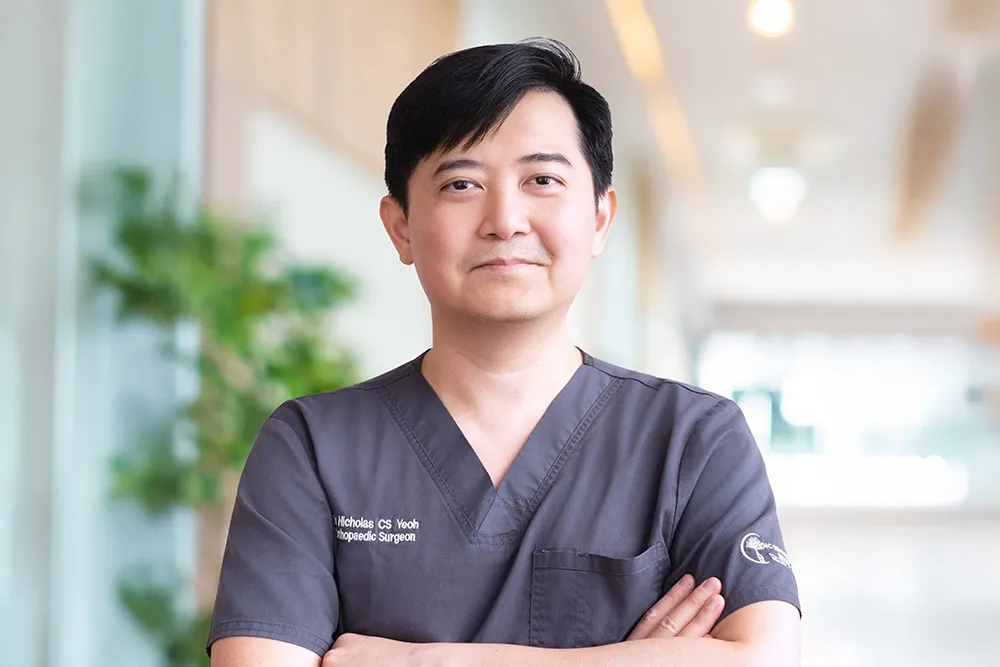
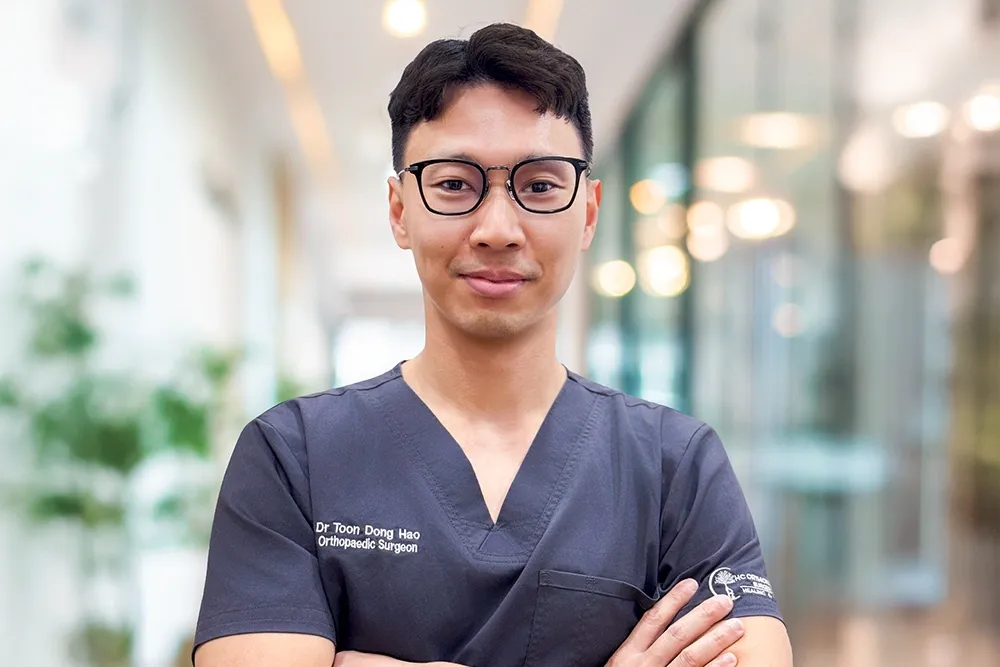
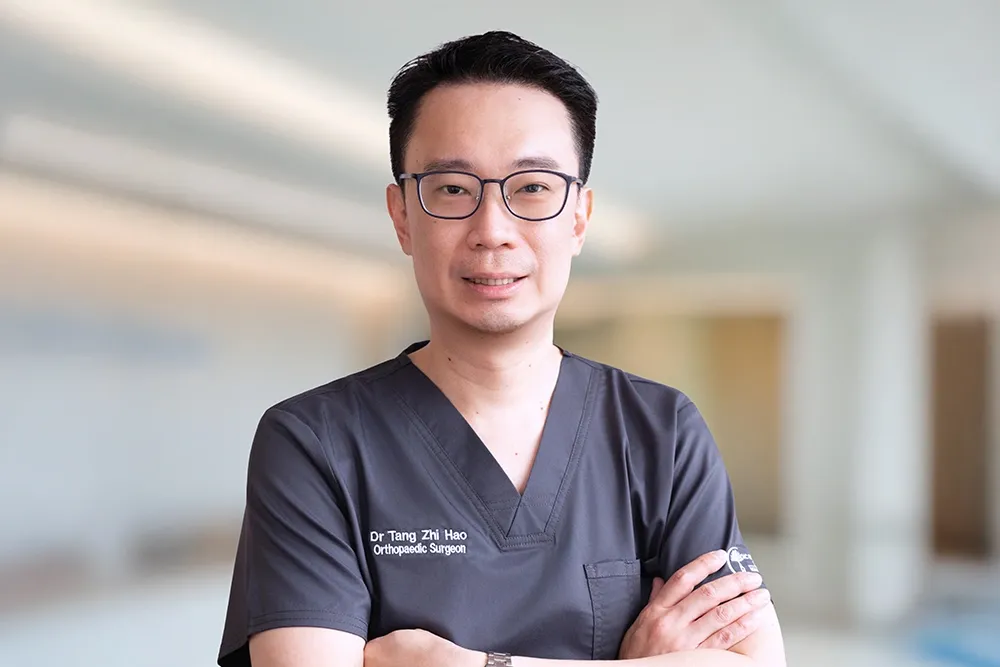
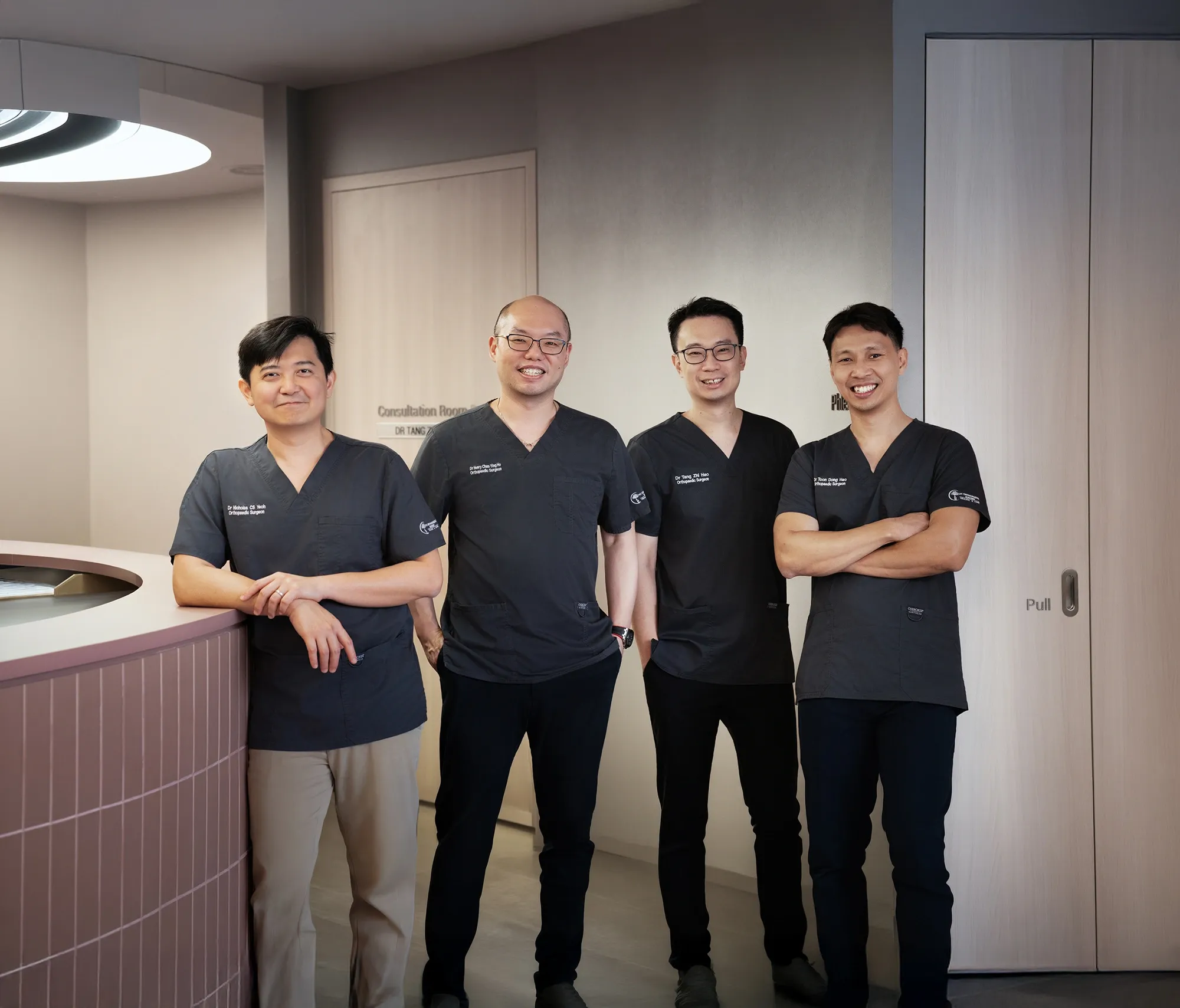
At HC Orthopaedic Surgery, your child will receive comprehensive, evidence-based care tailored to the specific type of fracture and stage of growth. The practice is led by Dr Henry Chan, Dr Nicholas Yeoh, Dr Toon Dong Hao and Dr Tang Zhi Hao,all experienced in managing paediatric upper-limb injuries. Dr Toon, in particular, has completed a fellowship in Advanced Shoulder and Elbow Surgery in Sydney, Australia, bringing specialised expertise in complex elbow procedures.
Frequently Asked Questions (FAQs) About Elbow Fractures in Children
How long does it take for an elbow fracture to heal in children?
What should I do immediately if I suspect my child has an elbow fracture?
What happens if an elbow fracture is left untreated?
Is surgery always necessary for elbow fractures in children?
Are there any restrictions on activities during recovery?
Meet Our Specialist Team
Dr Henry Chan
Medical Director & Senior Consultant Orthopaedic Surgeon
MBBS (S’pore), MRCS (Edinburgh), MMed (Orthopaedic Surgery), FRCS (Edinburgh)
Dr Henry Chan is an experienced orthopaedic surgeon specialising in joint replacement and complex revision surgery. Trained at the renowned Helios Endo-Klinik in Germany under the MOH HMDP scholarship, he has performed over 1,000 joint replacements and specialises in computer-assisted and robotic joint replacement techniques for precise outcomes.
Dr Nicholas Yeoh
Senior Consultant Orthopaedic Surgeon
MBChB (Edinburgh), MRCS (Edinburgh), MMed (Orthopaedic Surgery), FRCS (Edinburgh)
Dr Nicholas Yeoh is an MOH-accredited orthopaedic specialist and Fellow of the Royal College of Surgeons of Edinburgh. Fellowship-trained in hip and knee reconstruction in Sydney under the MOH HMDP scholarship, he specialises in minimally invasive joint replacement, robotic surgery and advanced techniques that enhance recovery and surgical outcomes.
Dr Toon Dong Hao
Senior Consultant Orthopaedic Surgeon
MBChB (Leeds), MRCS (Edinburgh), MMed (Orthopaedic Surgery), FRCS (Edinburgh)
Dr Toon Dong Hao is a skilled orthopaedic surgeon and Fellow of the Royal College of Surgeons of Edinburgh. Fellowship-trained in Advanced Shoulder and Elbow Surgery in Sydney under the MOH HMDP scholarship, Dr Toon specialises in sports injuries, arthroscopic surgery and complex shoulder, elbow and knee procedures to restore function and mobility.
Dr Tang Zhi Hao
Senior Consultant Orthopaedic Surgeon
MBBS (S’pore), MRCS (Edinburgh), MMed (Orthopaedic Surgery), FRCS (Edinburgh)
Dr Tang Zhi Hao is a fellowship-trained orthopaedic surgeon specialising in foot and ankle conditions. He completed his Foot and Ankle Surgery fellowship at Severance Hospital, Yonsei University Health System in Seoul under Professor Jin Woo Lee. Prior to private practice, he served as Consultant and Deputy Head of Orthopaedics at Khoo Teck Puat Hospital.